Is There a Cure for Morning Sickness in Pregnancy?
Is There a Cure for Morning Sickness in Pregnancy?
Contrary to popular belief, morning sickness doesn’t just happen in the morning. Pregnancy sickness can strike at any time of day, and for some people, it can be debilitating.
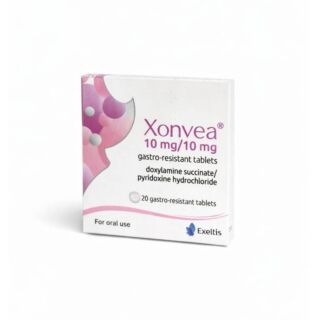
While there’s no cure for pregnancy sickness, that doesn’t mean there aren’t things that can help. From crackers and ginger tea, to effective medicines like Xonvea, we’ve put together a list of everything that can ease your symptoms when sickness strikes.
Three key takeaways
Eating bland foods like dry toast or plain pasta can settle your stomach and give you energy.
Broths are good for keeping you hydrated if you’ve been sick, while some studies suggest ginger, including ginger tea, may help ease nausea for some people.
Medications like cyclizine, promethazine, prochlorperazine, domperidone, metoclopramide, ondansetron, and Xonvea can help if other methods haven’t worked.
What does normal pregnancy sickness look like?
“Normal pregnancy sickness typically starts at around six weeks and eases off by 16-20 weeks, though every person is different. You might feel nauseous, go off certain foods, or actually be sick.
“It can affect you at any time of day or night, or you may feel sick all day long. It’s very common, and while it’s unpleasant, regular pregnancy sickness is normal and won’t put your baby at any increased risk.
“However, if you have prolonged nausea and vomiting, can’t keep food or drink down on a daily basis, feel dehydrated or are losing weight, you could have severe pregnancy sickness. In that case, you should speak to your doctor or midwife immediately.”
If your sickness isn’t severe, there are plenty of things you can try at home that can help, including certain foods, drinks, and lifestyle changes.
Foods
Eating can be a struggle when you’re feeling or being sick. But it’s important to try and get something in your stomach, as eating helps to restore your strength. Some foods can even settle your stomach and reduce nausea. Good foods to try for mild pregnancy sickness include:
Crackers or dry toast
Plain foods, like crackers or a dry piece of toast, are the easiest to keep down when you’re dealing with nausea and vomiting. This means they can help to settle your stomach when it’s empty.
Crackers are also handy to keep in your bedside drawer or on your desk at work for a quick bite when nausea strikes. Try eating one before you get out of bed in the morning to see if it curbs your symptoms.
Boiled rice or pasta
A portion of plain boiled rice or pasta is gentle on your stomach and provides you with energy without overloading your system with rich flavours. You could add a little butter to make it more interesting, especially if you’re dealing with longer-term sickness, but having it plain is less likely to make you sick.
Jacket potato
A plain jacket potato (again, you can add a small amount of butter) is easy to digest, unlikely to trigger nausea, and filling enough to keep you going. Jacket potatoes can take a while to cook, so it might be a good idea to pre-cook a batch and reheat them to make things quicker, especially if you know they ease your symptoms.
Ginger biscuits
Ginger naturally helps to relieve feelings of nausea. Just like crackers, ginger biscuits are easy to keep on your bedside, take to work, or store in your bag in case you feel sick on the go.
Bananas
Soft on the stomach and naturally rich in vitamin B6, which can ease nausea, bananas also provide a quick boost of energy and a replacement for potassium if you’ve been sick. They’re also ideal for keeping on your desk or popping in your bag.
Staying hydrated is essential when you're being sick. Vomiting causes you to lose fluids quickly, potentially leading to dehydration. Dehydration can then worsen nausea, creating a vicious cycle.
Thankfully, drinks are often easier to stomach than foods. The best ones to help ease your symptoms are:
Water
When you feel queasy, always reach for water first and try to sip little and often throughout the day rather than drinking large amounts at once. This is much gentler on your stomach and can really help to keep nausea under control.
If water alone isn't quite doing the trick, there are plenty of other things you can try, which we'll cover below.
Broths
Warm and soothing, broths go down easily when you’re struggling to keep down solid food. They contain electrolytes and essential minerals that keep you hydrated, which is so important, especially if you’ve been sick to replenish the fluids you’ve lost.
Ginger tea or ginger ale
As you know, ginger has anti-nausea properties and can help to settle your stomach. You can buy ginger tea or make your own by steeping grated ginger in hot water. If you prefer something cold and fizzy, try ginger ale (don’t worry, it’s non-alcoholic!)
Peppermint tea
Peppermint tea is naturally soothing for your digestive system, calming an unsettled stomach and easing nausea. It’s caffeine-free, so you can drink it throughout the day or before bedtime. Keep some teabags in your bag or at your desk so you have them when you need them.
Lemonade or lemon water
Lemonade or cold water with sliced lemons is refreshing, with the smell of citrus fruits alone helping to reduce nausea. Sipping lemon water throughout the day also prevents dehydration if you’ve been sick.
Sucking ice cubes
Although not technically a drink, if you find you can’t keep fluids down, try slowly sucking then chewing on ice cubes to ensure you're staying as hydrated as possible. Some people find that colder drinks are easier to stomach than hot ones.
Lifestyle changes
Get plenty of rest
Tiredness can make nausea worse, so it’s important to prioritise rest when you can. Take naps during the day if it’s possible, and don’t push yourself too hard.
If you’re losing sleep, try to go to bed earlier and listen to your body when it’s telling you to slow down. When you’re well-rested, it can help you better manage feelings of nausea.
Avoid foods or smells that make you feel sick
Pay attention to what triggers your nausea and stay away from them. Common triggers include strong perfumes, cooking smells, or eating certain foods—you can even ask someone else to cook if it bothers you. What triggers you now may change as your pregnancy progresses.
Choose cold foods
Cold foods are often not as smelly as hot foods, which can make them easier to eat if you’re feeling nauseous.Fruit, yoghurt, or cold pasta are ideal. Keep some cold snacks in the fridge ready for when you’re able to eat.
Try acupressure
Acupressure wristbands press on a specific point on your wrist that can help reduce nausea, and they're safe to wear all day. Some people also find it helpful to press on this point themselves with their fingers. It doesn't work for everyone, but it's worth trying since there are no side effects.
What can make pregnancy sickness worse?
There are several things that can make pregnancy sickness worse. Everyone is different, so what bothers you might be fine for someone else, and that’s completely normal!
Some common triggers include:
strong smells like perfume or cooking odours (like coffee, meat, or fish)
moving around or getting up too quickly, especially in the morning
taking prenatal vitamins on an empty stomach
Is there a cure for severe pregnancy sickness?
“If you’re experiencing nausea and vomiting during pregnancy, there are treatments available that can help.
“Xonvea is a pregnancy sickness medication that combines an antihistamine with vitamin B6. Like all medications, there’s a risk of side effects with Xonvea, but for most people, it works very well. And, importantly, Xonvea is safe to take during pregnancy.
“Other alternatives include antihistamines like cyclizine or promethazine, and anti-sickness medication like domperidone, metoclopramide, prochlorperazine, or ondansetron. However, if you’re struggling to keep much or any food or water down, or you’re losing weight, contact your GP or midwife straight away."
Dr Rashi Malhotra, General Practitioner
How Chemist4U can help with pregnancy sickness
Don’t suffer through pregnancy sickness alone—we can help. Simply complete a quick consultation about your symptoms and medical history, and one of our clinicians will see if an anti-sickness medicine like Xonvea is right for you.
We understand that when you’re dealing with nausea and vomiting, leaving the house can feel impossible. That’s why, if suitable, we’ll deliver your medication directly and discreetly to your door. If you’d prefer to access your treatment on the NHS through your GP or midwife, you can read more about Xonvea’s availability on the NHS in our guide.
Frequently asked questions about pregnancy sickness
When does pregnancy sickness start?
Pregnancy sickness usually starts at around six weeks, but everyone is different, so it may start earlier or later for some.
How long does pregnancy sickness last for?
If you’re dealing with pregnancy sickness, you can expect symptoms to ease off at around the 16-20 week mark.
Does Lucozade help with pregnancy sickness?
Some people find that Lucozade helps with pregnancy sickness. It provides hydration and a quick energy boost, which can help if you’re feeling weak from not eating or drinking. However, there’s no scientific evidence to support its effectiveness for pregnancy sickness.
Chemist 4 U uses cookies (and other techniques) to enhance your shopping experience.
Read more about our cookie policy, terms and conditions and privacy statement. By continuing on this site and accepting our cookies you agree to the collection of information on this basis by us and by third parties on the platform as well as direct email marketing. Please customise your cookie settings below.
Find out more about our data policies.