HIV Prevention
Taking steps to prevent HIV can help protect your health and the health of others.
Whether you're looking to reduce your personal risk or support a partner, there are simple and effective ways to stay safe.
… Read More
See less
From using protection during sex to taking preventative medication, small choices can make a big difference. If you're exploring your options or just want to learn more, we’re here to help you take control with confidence.
-

-
Save 21%
-
-
-


What is HIV?
HIV, or human immunodeficiency virus to give it its full name, is a virus that targets the immune system, gradually weakening the body’s ability to fight infections.
It’s mainly passed on through certain bodily fluids often during unprotected sex, needle sharing or from mother to baby during birth or breastfeeding.
There’s currently no cure for HIV - but with the right treatment the virus can be controlled.
People living with HIV can take daily medication, known as antiretroviral therapy, which helps them stay healthy while preventing the virus from being passed on to others.
What is AIDS and how is it related to HIV?
AIDS stands for acquired immunodeficiency syndrome and is the later stage of HIV infection.
It occurs when the immune system becomes severely damaged and can no longer fight off certain infections and diseases such as tuberculosis or pneumonia. It’s not a separate virus or disease - it’s a condition that can develop when HIV infection isn’t treated.
Thankfully, modern treatment means most people with HIV in the UK will never develop AIDS.
Starting antiretroviral therapy early and taking it consistently can stop the virus from progressing, protect your immune system and help you live a long, healthy life.
Common ways to prevent HIV
There are several ways to lower your risk of getting HIV. Here are some of the most common ways to prevent it:
Use condoms correctly and consistently
Condoms are one of the most effective ways to prevent HIV during most types of sexual activity, including oral, anal and vaginal sex.
They act as a barrier to stop the virus from passing between partners.
Get tested regularly
Many people with HIV don’t have symptoms, meaning it’s difficult to know from feeling along.
Regular testing is the only way to know your status and it also help you to access treatment early and prevent you from unknowingly passing the virus on.
You can get tested at sexual health clinics, your GP or order home test kits online. It’s quick, confidential and often free.
Take PrEP if you’re at higher risk
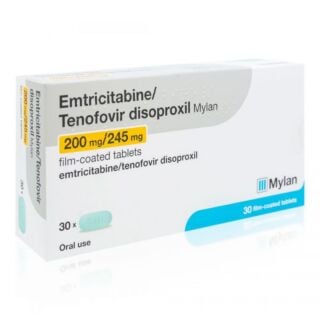
Pre-exposure prophylaxis (PrEP) is a daily tablet that helps protect against HIV.
It’s recommended for people who are more likely to be exposed to the virus - such as those with HIV-positive partners or who don’t always use condoms.
Don’t share needles or injecting equipment
HIV can be passed on through blood, so avoid sharing anything used to inject drugs or hormones.
Know about PEP in emergencies
If you think you’ve been exposed to HIV, PEP - post-exposure prophylaxis - can help stop the virus taking hold.
Treatment must be started within 72 hours, so it’s important to act quickly if you think you’ve been exposed.
What is PrEP?
PrEP is generally a daily pill that helps protect against HIV. It’s taken by people who don’t have HIV but may be at higher risk of getting it - for example, if you have an HIV-positive partner or you don’t always use condoms.
When taken correctly, PrEP is highly effective at preventing HIV, giving you another way to stay in control of your sexual health.
How does PrEP work?
PrEP contains the same type of medicine used to treat HIV. If the virus enters your body, the medication helps to stop it from multiplying and spreading.
This gives your immune system time to fight back - reducing your chances of becoming infected. But for PrEP to work properly, it must be taken as prescribed. Follow advice and instructions carefully, as different doses are required for different types of activity.
Do I need to get tested to take PreP?
Yes - you need to take an HIV test before starting PrEP because it’s only for people who are HIV-negative.
You’ll also be tested regularly while taking PrEP to make sure everything’s working as it should and to check for any side effects or other infections.
Getting tested is quick, straightforward and can often be done at home. It’s an important part of staying safe and healthy while using PrEP.
How to take PrEP
Most people take PrEP once a day, around the same time. Taking it regularly keeps the level of medication in your body high enough to protect against HIV.
Some people may be able to take it on demand – for example a few pills before and after sex - but this isn’t suitable for everyone. Your doctor or sexual health advisor will help you decide which method is right for you.
Side effects
PrEP can cause side effects - but they’re usually mild and often go away on their own.
The most common side effects include:
- Feeling sick
- Headaches
- Stomach upset
These usually settle within a few days or weeks as your body adjusts.
Serious side effects are rare, but your doctor will check your kidney health before and during treatment, just to be safe.
If you’re ever unsure about how you’re feeling on PrEP, speak to your doctor or local sexual health clinic.
What’s the difference between PrEP and PEP?
PrEP and PEP both help protect against HIV, but they’re used in different ways.
The main difference is when you take them - either before or after potential exposure to the virus.
PrEP: protection before exposure
PrEP is taken before you’re exposed to HIV. It’s used by people who are at ongoing risk, like those who have sex without condoms or have an HIV-positive partner.
You usually take it once a day to build up protection in your system, though it can be taken on demand with different dosage recommendations.
PEP: protection after exposure
PEP is taken after you may have been exposed to HIV - for example, after unprotected sex or if a condom breaks.
You need to start PEP within 72 hours, and you’ll take it for 28 days. The sooner you start, the more effective it is.
Can you get PrEP over the counter?
PrEP isn’t available to buy over the counter in the UK, so if you want to take it you need to speak to a healthcare professional first.
Thankfully, PrEP is free on the NHS and available through sexual health clinics.
You’ll need an HIV test before starting, along with regular check-ups to make sure the medication is working safely and effectively and not causing any unwanted side effects or damage to your kidneys.
If you’re not sure where to start, your local sexual health clinic can guide you through the process and help you decide if PrEP is right for you.
Sources
- https://www.nhs.uk/conditions/hiv-and-aids/
- https://hivinfo.nih.gov/understanding-hiv/fact-sheets/basics-hiv-prevention
- https://www.nhs.uk/medicines/pre-exposure-prophylaxis-prep/how-and-when-to-take-pre-exposure-prophylaxis-prep/
- https://www.nhs.uk/medicines/pre-exposure-prophylaxis-prep/about-pre-exposure-prophylaxis-prep
- https://www.tht.org.uk/hiv/protection/prep-pre-exposure-prophylaxis
Free delivery when you spend over £39

100% discreet delivery for every item ordered
Fully regulated UK pharmacy
Are PrEP and PEP the same thing?
PreP and PEP (post-exposure prophylaxis) are used for two different purposes. While PrEP is used to prevent HIV infection for those who are HIV-negative, PEP is used by those who have potentially been exposed to HIV.
What could cause false positives on a HIV test?
A false positive is when you test positive for HIV, but you don’t have it. False positive tests can happen if you read the test wrong as positive or if you don’t follow the instructions properly. You might get a false positive if you don’t wait 15 minutes after eating or drinking or 30 minutes after using oral care products. Also, if you have participated in a HIV vaccine clinical trial or you have swiped each gum several times, this might lead to a false positive.