Feeling stressed? Having relationship problems? Can’t get it up? Well, they might all be related.
Not every cause of erectile dysfunction (ED) is physical. Psychological ED is when your mental health, be it anxiety, depression or low self-esteem, affects your ability to get and maintain an erection.
But psychological ED doesn’t have to be permanent. We walk you through the symptoms and causes of psychological ED, as well as what treatments are available, below.
Three key takeaways
Psychological erectile dysfunction is caused by mental or emotional issues that affect the signalling relationship between the brain and body, making it harder to get an erection.
Physical ED tends to be due to health conditions or issues affecting blood flow.
Psychological ED is highly treatable. Your options include talking therapy, medications like sildenafil or tadalafil, and couples counselling.
There are many reasons you might be experiencing psychological ED, including:
Stress
One of the main causes of ED in men is stress. Stress can influence ED because many systems and processes are involved in getting an erection, including:
the endocrine system (hormones)
the nervous system
muscles
your emotions
Stress can disrupt any of these systems, and this disruption can contribute to your erectile dysfunction.
In order to get hard, you need to be sexually aroused not just physically, but mentally. If you’re experiencing stress, you might find that your sex drive decreases.. And even if you can get hard, you might find staying hard throughout sex tricky due to other distractions.
Stress is often temporary. You may find that your ability to get erections resumes as normal once a stressful phase of life has subsided.
Anxiety
When it comes to sexual arousal, anxiety can disrupt the way your brain sends signals to your body to create extra blood flow to your penis. So, if you’re experiencing anxiety about anything, this can lead to erectile dysfunction.
As well as general anxiety, you may also feel anxious specifically about not being able to perform in the bedroom. This is called sexual performance anxiety, and is quite normal.
Depression
Depression is another common mental health problem that can put you at greater risk of developing ED.
When you have depression, it causes chemical imbalances in the brain. This chemical imbalance can lower your feelings of sexual desire and may affect your sexual performance.
Symptoms of ED related to depression include:
reduced libido
sex not feeling as enjoyable as it normally would
suddenly experiencing erectile dysfunction after a traumatic event
Certain antidepressants like SSRIs and SNRIs can also cause ED.
It’s normal after any kind of sexual trauma or abuse for sexual function to be affected, regardless of whether the trauma occurred during childhood or adulthood.
For men, this can manifest as ED, as well as other issues like difficulty beginning or sustaining romantic relationships, fear of intimacy, or loss of interest in sex.
Relationship problems
Issues in relationships can worsen ED, as well as other aspects of your sex life with your partner.
Relationship issues that may affect ED include:
having frequent arguments with your partner
having a partner who’s living with sexual trauma or dysfunction
feeling less attracted to your partner than you used to
How to tell the difference between physical and psychological ED
Mental health issues aren’t always the cause of ED. Sometimes, it may be due to underlying physical health problems.
Psychological issues cause erectile dysfunction mainly by disrupting the brain’s role in initiating and maintaining sexual arousal.
Physical health conditions that contribute to ED, meanwhile, affect many of the body systems involved in getting and maintaining an erection. These conditions can include:
“Erectile dysfunction can have many causes, both mental and physical. Luckily, these days, there are also many treatments. For physical causes, there are a range of erectile dysfunction pills, and for psychological ED, there are many types of therapy or counselling that can help. Medication may then still be helpful once you’ve addressed the psychological cause of your ED. The best treatment for you will depend on the cause of your ED, and your individual needs.”
Mindfulness is the mental practice of being focused on the present moment without becoming distracted by thinking about the past or worrying about the future.
Couples counselling is designed to help people and couples overcome sexual and relationship difficulties through open, vulnerable communication and sharing, to foster healthier relationships.
Medication
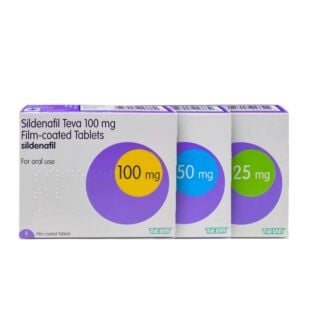
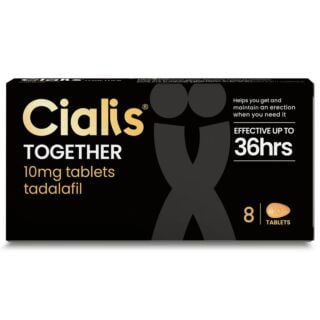
These days, there are lots of medications to treat erectile dysfunction, including:
These pills will only be effective if you still feel sexual desire and only work if you’re sexually aroused. If your mental health issues have left you uninterested in sex, and that’s a problem you want to address, you should start with counselling before considering any ED medication.
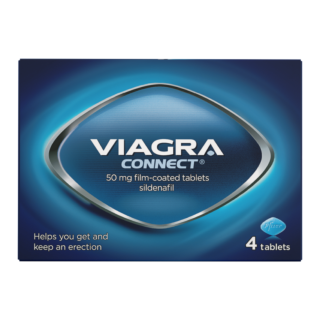
Viagra primarily treats physical ED, but it can help treat psychological ED by helping to boost confidence and reduce anxiety around getting hard.
Is psychological ED reversible?
Yes, psychological ED is reversible. Often, psychological ED is a symptom of a mental health condition like anxiety, depression, or relationship or self-esteem issues. Treating these through therapy, medication, or couples counselling can help treat psychological ED.
Chemist 4 U uses cookies (and other techniques) to enhance your shopping experience.
Read more about our cookie policy, terms and conditions and privacy statement. By continuing on this site and accepting our cookies you agree to the collection of information on this basis by us and by third parties on the platform as well as direct email marketing. Please customise your cookie settings below.
Find out more about our data policies.