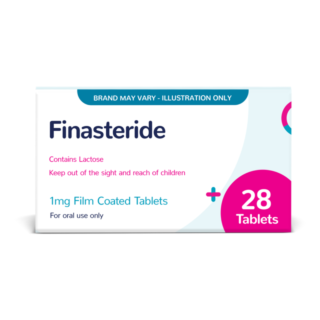
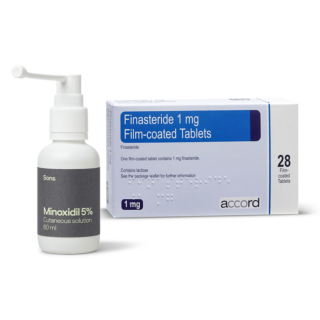
If you're considering trying finasteride for hair loss, or are already taking it, you may have heard about post-finasteride syndrome (PFS). We understand that at first it may sound concerning, but it's important to remember that it's extremely rare.
We're here to make sure that you know everything you need to about PFS, including its symptoms, causes and treatments.
Three key takeaways
Post-finasteride syndrome is when people who have taken finasteride continue to experience side effects after stopping their medication.
PFS is an extremely rare condition that affects a very small percentage of finasteride users.
Symptoms range from sexual dysfunction and fatigue to mood changes and neurological issues and vary significantly between individuals.
What is post-finasteride syndrome?
Post-finasteride syndrome is a condition that very infrequently affects people who have taken finasteride, an MHRA-approved medicine that helps to treat and stop hair loss in men.
With PFS, people continue to experience side effects even after they have stopped taking finasteride.
But it’s important to recognise that not everyone who takes finasteride gets PFS. And it’s a highly contentious condition, with not all doctors agreeing on its causes.
How common is post-finasteride syndrome?
“It’s important to remember that post-finasteride syndrome is a very rare condition.
“Finasteride is considered safe, and has been used by millions of men, with the majority having had great success by taking it. And most report no ongoing side effects after their treatment has ended.
“While PFS is something we're aware of in the medical community, the key thing to remember is just how uncommon it is. If you're currently taking finasteride and it's working well for you, that's brilliant and what you should try to focus on.”
The symptoms of post-finasteride syndrome are not the same as the side effects of using finasteride. PFS refers to symptoms persisting at least 3 months after stopping finasteride.
PFS symptoms may include:
sexual problems, like erectile dysfunction, decreased libido (sex drive), reduced sensation in the genital area, and difficulty achieving an orgasm
physical issues, such as fatigue, muscle weakness and joint pain
mental health changes like depression, anxiety, or trouble concentrating
appearance changes such as weight gain, and changes in skin and hair texture
neurological symptoms like tingling, tremors or coordination problems
If you think you have PFS, it's important to see a doctor for proper evaluation and support. Treatment options can vary depending on your symptoms.
What causes post-finasteride syndrome?
Post-finasteride syndrome is a complex and controversial condition, and its exact cause is not fully understood. However, there are several theories proposed by researchers and healthcare professionals.
Hormone disruption
Finasteride stops a chemical process in the body that changes testosterone into another hormone called dihydrotestosterone (DHT).
Some experts think that this change in hormone levels, especially in DHT and testosterone, might disrupt how the body's nerve and hormone systems work together, which could cause the symptoms of PFS.
Effects on the nervous system
There's a chance that finasteride might directly affect the brain and nerves, changing how certain chemicals work in these areas. These changes could be linked to the thinking and mood problems that people with PFS report.
Other factors
Factors such as age, underlying health conditions, simultaneous medication use, and the dosage of finasteride may contribute to the development and severity of PFS symptoms.
Getting a PFS diagnosis
Getting a diagnosis for post-finasteride syndrome involves an in-depth assessment by a healthcare professional. This may involve:
Looking at symptoms – this is where your healthcare provider may look for common symptoms like sexual dysfunction and mood changes.
Reviewing medical history – your doctor will look through your medical history, including what medication use you have previously used.
Physical examination – this is to rule out any other potential causes of your symptoms. It may also come alongside blood tests that will look at other relevant markers such as hormone levels.
Psychological assessment – this will sometimes be carried out to evaluate your cognitive function and your mood.
Ultimately, as there is not a standard method for diagnosing PFS, the decision comes down to the clinical judgement of your healthcare provider.
How to treat post-finasteride syndrome
When looking to treat post-finasteride syndrome, the focus is mainly on managing your symptoms and improving your quality of life. This is because there is currently no definitive cure.
Since symptoms can vary from person to person, treatments often end up being tailored to address specific symptoms and their severity.
Hormone therapy
If you have post-finasteride syndrome, you may benefit from hormone replacement therapy (HRT) to restore your hormonal balance. However, this should be approached cautiously and only under the guidance of a healthcare professional. This is not suitable for everyone and can carry risks.
Cognitive and behavioural therapy
Therapy techniques can help manage the cognitive difficulties and mood changes that are associated with PFS. Counselling and cognitive-behavioural therapy (CBT) can help to reframe any negative thoughts through behavioural action.
Lifestyle changes
Making lifestyle changes can contribute to your overall well-being and may help to manage some symptoms, including:
adopting a healthy diet
engaging in regular exercise
focusing on getting enough sleep
practicing stress-reduction techniques
How our expert team of clinicians can help
If you‘re still unsure about starting finasteride, then our team are available to talk. They’re able to give you all the information you need about finasteride and can reassure you about it if you have any concerns.
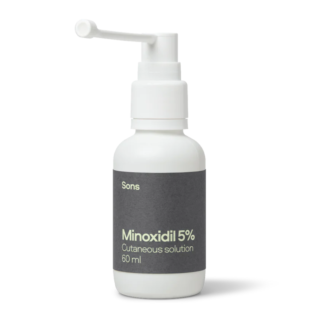
If you’ve decided that finasteride isn’t for you, but still wanting to explore options for treating hair loss, then they can also suggest alternatives such as other approved medical options like minoxidil.
Frequently asked questions about post-finasteride syndrome
How long does post-finasteride syndrome last?
Complete recovery may be possible, but the condition is still poorly understood, so we cannot say for certain. Many patients appear to experience significant improvement over time.
While several men have reported partial improvement, there are no confirmed cases of full recovery documented in the medical literature. However, a small number of individuals have described feeling 80%, 90%, or even 99% better
How long do you have to be on finasteride to get PFS?
There have not been enough studies with large amounts of patients to determine if there is a connection between using finasteride for a specific amount of time and developing PFS.
Chemist 4 U uses cookies (and other techniques) to enhance your shopping experience.
Read more about our cookie policy, terms and conditions and privacy statement. By continuing on this site and accepting our cookies you agree to the collection of information on this basis by us and by third parties on the platform as well as direct email marketing. Please customise your cookie settings below.
Find out more about our data policies.