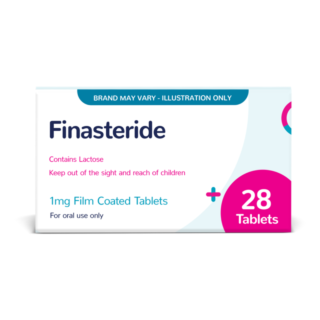
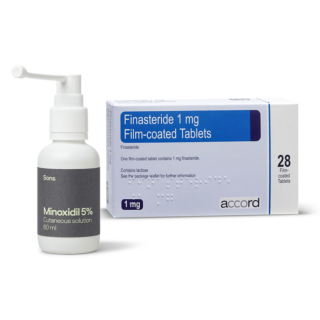
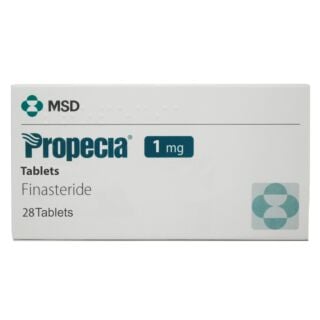
Finasteride is an extremely effective treatment for hair loss, particularly male pattern baldness.
However, finasteride is associated with a risk of certain side effects, which may leave you unsure whether it’s safe to use. In this article dive into everything you need to know to make an informed decision about whether the treatment is right for you, including how effective finasteride is, how long it takes to work and how to keep yourself safe while taking it.
Does finasteride work?
According to one study 80.5% of men treated with finasteride saw a reduction in hair loss, with recent hair loss statistics reporting a 66% hair regrowth rate after two years. It’s no wonder, then, that approximately 30 million people across the world are estimated to use finasteride.
But how does it work? Finasteride is a 5-alpha reductase inhibitor. This means it inhibits the enzyme that converts testosterone into dihydrotestosterone (DHT). When present, DHT causes the growth phase of your hair follicles to gradually get shorter, meaning you continue to grow less and less hair until you no longer grow hair at all.
However, finasteride causes there to be less DHT present in the scalp (around 60% less), preventing further hair loss and, in some cases, promoting hair regrowth.
For more information about how finasteride works, read our in-depth guide.
In short, the answer is yes, finasteride has a good safety profile. This means it is generally well tolerated, and most people taking finasteride do not experience any side effects. Side effects are most commonly associated with taking higher doses (5mg). However, only low doses (1mg) are typically prescribed to treat hair loss.
Even though they are relatively rare, side effects are still possible in individuals who take finasteride for hair loss. And sometimes those side effects can be serious. As a result, in 2024 the Medicines and Healthcare products Regulatory Agency (MHRA) recommended a patient alert card be introduced into finasteride packaging to raise awareness of the risks and provide patients with guidance in case they experience side effects.
Finasteride side effects
Finasteride can cause some side effects. These include:
sexual dysfunction –erectile dysfunction, ejaculatory disorders and a low sex drive
physical effects – rapid heartbeat (heart palpitations), pain in your testicles and lumps, pain or swelling in your chest area (which may indicate breast cancer)
mental health difficulties – depression, anxiety and suicidal ideation (rarely)
Post-finasteride syndrome (PFS) is a condition that infrequently affects people who have taken finasteride, an MHRA-approved medicine that helps to treat and stop hair loss in men.
With PFS, people continue to experience side effects even after they have stopped taking finasteride.
But it’s important to recognise that not everyone who takes finasteride gets PFS.
If you think you have PFS, it's important to see a doctor for proper evaluation and support. Treatment options can vary depending on your symptoms.
How common is post-finasteride syndrome?
“It’s important to remember that post-finasteride syndrome is a very rare condition.
“Finasteride is considered safe, and has been used by millions of men, with the majority having had great success by taking it. And most report no ongoing side effects after their treatment has ended.
“While PFS is something we're aware of in the medical community, the key thing to remember is just how uncommon it is. If you're currently taking finasteride and it's working well for you, that's brilliant and what you should try to focus on.”
How to keep yourself safe while taking finasteride
You should tell your friends and family you’re taking finasteride and that it may affect your mood or behaviour. You may not notice any changes to your mood yourself, but those who know you well can find these things easier to spot, so it’s important to include them in your treatment process. You can even show them the alert card included in the packaging, so they know what changes to look out for.
If you experience depression while taking finasteride, NHS advice is that you should stop taking it immediately and speak to your GP.
How long does finasteride take to work?
Finasteride enters the bloodstream fairly quickly and starts reducing your levels of DHT as soon as it becomes active in the body. However, it generally takes three to four months of use to see noticeable results. Final results typically take around one year to become apparent.
Everyone who takes finasteride is different and will see changes in their own time. However, this is what you can typically expect when taking finasteride:
1–3 months
As soon as your body begins to metabolise finasteride, it can reduce the amount of DHT in your bloodstream by up to 70%. This is enough to inhibit hair loss almost immediately. You won’t notice much change in your hair at this point because hair can take a long time to grow. But you shouldn’t stop taking finasteride just because you can’t see a visible difference. This is the time to stay consistent and continue taking it every day.
3–6 months
You should start to see some results at this stage in your journey. Maybe your hair loss will have slowed down, or you may see some new growth around your hairline or crown. These results are just the beginning and are by no means the final product.
12 months +
One year in, you may see improvements in your hair count and thickness. As everyone’s hair is different, your results will be unique to you, but you should at least see some positive changes. For example, even if you don’t see changes in hair count and thickness, finasteride should have prevented your hair loss from worsening. But importantly, you will only know how finasteride works for you after at least a year of consistent treatment.
Long term
Following the 12-month mark, you may continue see some improvements in your hair. A 2003 study found that finasteride users displayed a 14% improvement in hair count after one year of treatment and a 16% improvement after two years.
Frequently asked questions about finasteride's safety
Does 1mg finasteride cause cancer?
There is some evidence to suggest finasteride use may cause an increased risk of male breast cancer. A 2009 review suggested that 50 cases of male breast cancer have been reported across the world in association with finasteride 5mg and three cases have been reported in association with finasteride 1mg. The conclusion of that study stated that “increased risk of male breast cancer associated with finasteride use cannot be excluded.”
The product details for Propecia, the name-brand version of finasteride, also mentions that breast cancer has been reported in men taking finasteride. As a result, physicians are advised to instruct their patients to report any changes in their breast tissue as soon as possible.
Is generic finasteride safer than Propecia?
Propecia is simply the branded version of finasteride. So, there is no reason why generic finasteride would be safer than Propecia or vice versa. They are the same medication in different packaging, so they have the same benefits and side effects.
How to stop taking finasteride safely
If you want to stop taking finasteride, you should speak to your GP or a pharmacist first. There is no evidence to suggest that tapering off the drug rather than coming off it abruptly offers any benefits, but your healthcare provider can give you personalised advice.
When you stop taking finasteride, the side effects should clear up, though some sexual side effects can persist after you’ve finished taking the drug.
Is finasteride safe if you're trying to conceive?
If you’re trying to conceive and were born male, you should be aware that finasteride can impact fertility, even though the issue is not common and usually resolves after you stop your treatment.
A very small amount of finasteride is also present in the semen of people taking this for hair loss. The risk of issues due to the exposure of finasteride to an unborn foetus are unlikely, but we advise that you discuss conception and finasteride use with your GP.
Please be aware that finasteride is not licensed for use in people born female. While it is sometimes used for post-menopausal women, this is only when prescribed and monitored closely by a specialist.
Chemist 4 U uses cookies (and other techniques) to enhance your shopping experience.
Read more about our cookie policy, terms and conditions and privacy statement. By continuing on this site and accepting our cookies you agree to the collection of information on this basis by us and by third parties on the platform as well as direct email marketing. Please customise your cookie settings below.
Find out more about our data policies.