Is There a Permanent Cure for Erectile Dysfunction?
Is There a Permanent Cure for Erectile Dysfunction?
While a permanent cure for erectile dysfunction doesn’t really exist, it’s still a very treatable condition. You just need to look at the underlying problems that are causing your ED in the first place.
Here, we’ll discuss the long-term treatments, lifestyle changes and other solutions that exist to help you get back to your best in the bedroom, regardless of the cause of your ED.
Three key takeaways
ED treatments like pills provide short-term help to achieve an erection but aren't permanent cures for the underlying condition.
The root causes of ED fall into three categories: blood flow problems, nerve problems and psychological factors that may be influenced by lifestyle factors (such as drinking too much).
Your treatment options depend on the cause of your ED. For example, physical issues may need implants, psychological causes might require therapy alongside medication.
Is there a cure for erectile dysfunction?
Getting and maintaining an erection involves your mind and body working together. So, curing your erectile dysfunction may mean tackling one half of that equation, if not both.
While ED medication can help, addressing the root cause of the problem can provide you with a more permanent boost in the bedroom.
For example, if your erectile dysfunction is caused by a physical condition, you may need to make some lifestyle changes. There are also long-term treatments available like implants, injections and shockwave therapy.
Meanwhile, if you’re dealing with psychological erectile dysfunction, things like cognitive behavioural therapy and couples counselling can help you get out of your head and back in the sheets.
Potential long-term cures for erectile dysfunction
While there is no cure, there are a few ways that you can look to treat your erectile dysfunction.
From lifestyle changes to surgical procedures, there are many options available for you to choose from. Here are the most common options, and some statistics to back them up.
Lifestyle changes
Making day-to-day changes can make a big difference in the bedroom. For example, erectile dysfunction and alcohol can go hand in hand, with alcohol intake often a potential cause of ED in men.
If you’re drinking too much, reducing your alcohol intake over a period of just three months can reverse the effects that alcohol was having on your ability to maintain an erection.
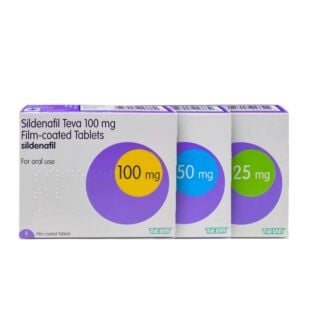
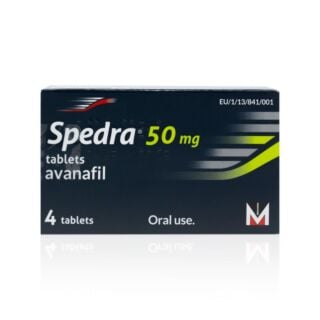
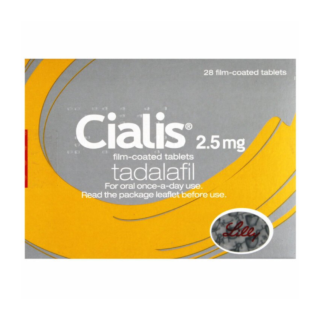
Erectile dysfunction pills are a class of medications called PDE-5 inhibitors. The best ED pills for you often depend on your own circumstances, with the main options available in the UK being:
If you're looking for a longer-term solution with medication, Cialis stands out from the rest. There are lower Cialis dosages (2.5mg and 5mg) that you can take every day, compared to an as needed basis.
Even more, it has the longest duration (36 hours), so that you don't have plan ahead your sexual activities, allowing you to be more spontaneous.
If the cause of your ED is psychological, then therapy may be very beneficial. There are different types of therapy that you can try, that include:
cognitive behavioural therapy (CBT)
sex therapy for sensate focus and practical skills
anti-anxiety and relaxation therapies like meditation and deep breathing
Adopting mindfulness techniques, or going to couples counselling, can also be quite helpful if you’re struggling psychologically. For example, couples counselling is designed to help people overcome sexual and relationship difficulties through open, vulnerable communication.
Penis pumps
Penis pumps, also known as vacuum erection devices (VED), can be used to help men with erectile dysfunction. It is often a good alternative if oral medication causes side effects or isn’t very effective for you.
While it can take some practice to get used to, penis pumps can be an effective treatment for erectile dysfunction because they:
have a lower risk of side effects
tend to be a lower-cost ED treatment in the long run
don’t require surgery, shots or medicines that go in the tip of the penis
In some instances, a penis pump can help you naturally regain the ability to have and maintain an erection after prostate surgery or radiation therapy for prostate cancer.
Penile injections
Penile injections are often considered to be a second-line treatment for erectile dysfunction if pills don’t work for you. It is a prescription-only medication, with frequent check-ups with your doctor required to make sure you’re on the right dosage.
Injected into the base of the penis, these injections work similarly to ED pills, widening blood vessels to increase blood flow in the penis.
Alprostadil is the most common active ingredient used within penile injections.
Urethral suppositories are small, medicated pellets that you put into your penis to get an erection. They can be used for erectile dysfunction resulting from prostate cancer treatment, and are often referred to by the brand name MUSE (medicated urethral system for erection).
The medication in urethral suppositories is alprostadil and works by widening blood vessels to increase blood flow.
The suppositories are a similar size to a grain of rice and are inserted into the urethra (tip of the penis) with a special applicator. No skin is punctured during this process, and the suppository is not painful to insert. If you’re unsure about how to use them, your doctor can take you through how to correctly insert the pellets.
You should prepare to use the suppositories about 30 minutes before you plan to have sex, and always use them in combination with sexual foreplay, as this is necessary to get an erection.
Penile implant
Penile implants are devices that are inserted into the penis that can help men with ED get an erection. They are typically recommended after alternative treatments have failed.
A penile implement is a long-term solution and irreversible surgical procedure. Because of this, you should always discuss risks, what surgery involves and follow-up care with your GP before going ahead. There are two main types of penile implants: an inflatable implant and a semirigid implant.
Inflatable implants: the most common form of penile implant, these can be inflated using a pump and release valve in your scrotumto create an erection. It can then be deflated once you’re finished in the bedroom.
Semirigid rods: these are a less common type of implant, that result in a penis that is always slightly rigid. You can manually bend the penis away from the body when having sex, and towards the body for concealment.
Not everyone is eligible for a penile implant. You may not be approved for a penile implant if you have:
An active infection such as a UTI (urinary tract infection)
An allergy to any of the materials used in the implant
diabetes that isn’t well controlled
Shockwave therapy
Shockwave therapy has been around for a while, often used to treat kidney stones. But in recent years urologists have started to use this therapy to treat erectile dysfunction as well. It is sometimes offered to patients who do not respond well to medication and don’t wish to undergo more invasive treatments.
During the therapy, a small wand-like device uses targeted sound waves to stimulate penile tissue and encourage blood flow, which can also speed up the healing process.
Low-intensity shockwaves have also been shown to grow new blood vessels and improve blood flow in the penis, which is essential for erections.
Clinical studies have generally shown shockwave therapy to be effective and safe, with most people who get the treatment seeing benefits within the first three months. However, more research and data is required to see how long this treatment lasts when it comes to ED.
How to pick the right ED treatment for your body
"Choosing the right ED treatment really comes down to what works best for your lifestyle. Most men start with oral medications like Viagra or Cialis, as they're effective and straightforward to use.
“If tablets cause side effects or aren't quite working for you, there are other options. Penis pumps are a great alternative with fewer side effects and no need for medication. For men who require something more targeted, penile injections or urethral suppositories containing alprostadil can be very effective.
“The key is to have an open conversation with your GP about what feels right for you. You can work together to find a treatment that fits your body and your lifestyle. Remember, what works brilliantly for one person might not be the best choice for another, so don't hesitate to try different approaches until you find what's right."
Frequently asked questions about cures for erectile dysfunction
What is the root cause of erectile dysfunction?
The main root causes of erectile dysfunction fall into a few key areas, which often overlap. The top three general root causes are vascular issues (blood flow problems), neurological issues (nerve problems), and psychological factors, which may also be influenced by lifestyle.
Which nerve damage causes erectile dysfunction?
Any disease or dysfunction that affects the brain, spinal cord, cavernous and pudendal nerves can contribute to erectile dysfunction.
Autonomic nerve damage can disrupt involuntary bodily functions like digestion, heart rate and sexual function. Causes of nerve damage include diabetes, injuries, surgery and vascular issues, such as a stroke.
Sources
Penis pump. (2025). Mayo Clinic. [accessed on 30/12/2025]
Chemist 4 U uses cookies (and other techniques) to enhance your shopping experience.
Read more about our cookie policy, terms and conditions and privacy statement. By continuing on this site and accepting our cookies you agree to the collection of information on this basis by us and by third parties on the platform as well as direct email marketing. Please customise your cookie settings below.
Find out more about our data policies.