8 Ways to Support Your Partner with Erectile Dysfunction
8 Ways to Support Your Partner with Erectile Dysfunction
Is your partner’s erectile dysfunction (ED) causing problems in your relationship? If so, you're not alone. Many couples find themselves grappling with the challenges that come about when a partner experiences ED.
But erectile dysfunction doesn't have to be a barrier to intimacy or happiness in your relationship.
In fact, there are many ways you can support your partner and strengthen your bond during this time. From talking openly about the issue to seeking treatment, we’re here to help you help them
Three key takeaways
Talk openly and without blame. Create a safe space for you both to discuss your feelings, reassure your partner that you’re a team, and that you’ll tackle their erectile dysfunction together.
Educate yourself about ED and its treatment options, like lifestyle changes and erectile dysfunction pills.
Don’t just rely on sex to connect. Focus on emotional intimacy, try non-penetrative activities, and remember to look after your own wellbeing.
How erectile dysfunction affects relationships
Erectile dysfunction doesn’t just affect your partner. It can affect you, and your relationship, potentially leading to:
a breakdown in communication
emotional strain
decreased intimacy
self-esteem issues (your partner may feel inadequate, and you may feel rejected or unattractive)
relationship dissatisfaction
However, with open communication, understanding, and support, you can navigate these challenges and find ways to maintain a fulfilling relationship.
When discussing erectile dysfunction with your partner, it's important to choose a suitable time and place for an open conversation.
Avoid placing blame or making your partner feel inadequate. Phrases like “What’s wrong with you?” or “Is it me?” can be hurtful and counterproductive. Don’t dismiss their feelings, either, by telling them to relax or comparing it to past performances.
Instead, you should approach the situation with kindness and patience. Remind them that ED is common and treatable, and you’ll be there for them every step of the way.
2. Learn about erectile dysfunction
To understand what your partner is going through, you’ll need to learn more about erectile dysfunction.
Researching the topic online, joining online communities, or even having a conversation with your partner about their personal experience can help. Taking the time to learn about ED lets your partner know that you’re there and you’re supporting them.
“Encourage your partner to talk to a healthcare professional, like their GP or one of our expert clinicians.
“In doing so, your partner can receive an accurate diagnosis, personalised treatment options, and guidance and support. Additionally, it allows them to rule out any underlying health concerns.
“It can be helpful to accompany them to appointments, if allowed, especially if they’re nervous or embarrassed.”
Encourage regular exercise, a healthy diet, and quitting smoking to improve cardiovascular health and blood flow. This can also help to prevent medical conditions like heart disease and high blood pressure, both of which can cause ED.
Doing these activities together may make it easier for your partner to make the changes they need.
5. Get to know the treatment options
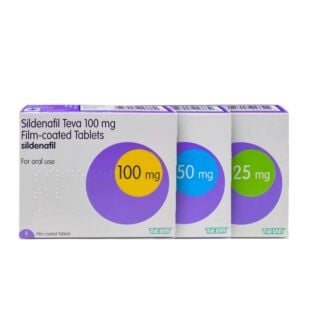
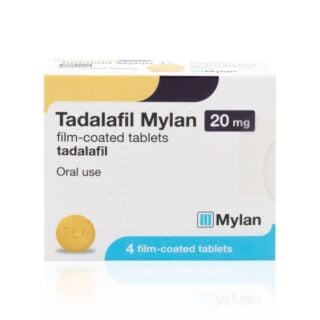
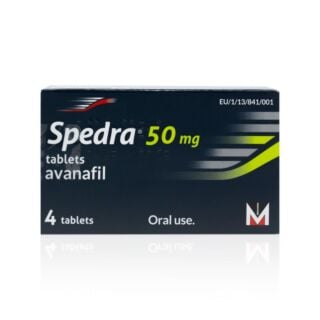
“Learn what erectile dysfunction treatments are available. There are medications like sildenafil, a cheaper alternative to Viagra, tadalafil (Cialis), vardenafil, and avanafil (Spedra), all of which work by increasing blood flow to the penis when aroused.
“There are other non-pill options, like penis pumps, injections, hormonal therapy, and surgeries.
“Different treatments might work better for some than they do for others, and it could take some trial and error before finding the right treatment option for your partner.
“Consider the potential side effects and risks associated with each option and discuss them with a healthcare professional if you’re unsure. Also explore the benefits of lifestyle changes and psychological support alongside medical treatments.”
You could experiment with manual or oral stimulation, alongside the use of sex toys. And be open to trying new techniques and positions while extending foreplay to boost arousal.
By exploring other forms of intimacy while focusing on your emotional connection, you can help rebuild your partner’s confidence in the bedroom.
7. Find other ways to express your love
Find other ways to express your love beyond sexual intimacy. Doing so might even take their mind off the problem!
For example, you could try to spend more quality time together outside of the bedroom. Show acts of kindness, offer physical affection, and invest in your partner's interests and passions.
8. Don’t forget your own wellbeing
Don’t forget about your own wellbeing while looking after your partner! Taking care of yourself is just as important as supporting your loved one. Seek help from others, prioritise your physical and mental health, and make sure to talk about your own needs and feelings.
How our expert team of clinicians can help with ED
We know that talking about erectile dysfunction can feel daunting, but our expert team of clinicians are here to make the process as straightforward as possible. With years of experience in men’s health, they’re dedicated to finding the right ED treatment for your partner.
Through a simple online consultation, our clinicians will review your partner’s erectile dysfunction symptoms, medical history, and recommend the most appropriate treatment.
From prescription-only pills like Viagra and Cialis to over-the-counter medications like Viagra Connect or Cialis Together, all our treatments are delivered quickly and discreetly to your door. Plus, our team is here to offer support and advice throughout the entire treatment journey, so you and your partner are never on your own.
Many things can affect erections, both physical and mental. Common physical causes include heart disease, high blood pressure, diabetes, and being overweight. Similarly, drinking too much alcohol can cause erectile dysfunction, as can smoking. Psychological causes, meanwhile, include stress, anxiety, and relationship worries.
At what age do men find it harder to maintain an erection?
Erectile dysfunction can strike at any age, but it’s more common from the age of 40 onwards. This is because health conditions associated with ED, like heart disease and diabetes, become more likely as you get older.
Also, men’s testosterone levels gradually decline as they get older, which may affect their ability to get and maintain an erection.
What should you not say to a man with ED?
Avoid blame or judgment, and encourage them to share their thoughts and feelings. Emphasise the importance of emotional intimacy in your relationship and assure them of your patience, support, and commitment to finding a solution as a team.
Chemist 4 U uses cookies (and other techniques) to enhance your shopping experience.
Read more about our cookie policy, terms and conditions and privacy statement. By continuing on this site and accepting our cookies you agree to the collection of information on this basis by us and by third parties on the platform as well as direct email marketing. Please customise your cookie settings below.
Find out more about our data policies.