How to Stop Hay Fever: 16 Tips From Our Pharmacists
How to Stop Hay Fever: 16 Tips From Our Pharmacists
When spring arrives, things tend to look brighter. The days are longer, and the weather improves (if only a little!), making many of us eager to flock outdoors. But there’s one thing that can hold you back: hay fever.
Unlike the common cold, you can’t strengthen your immune system to avoid it. So, what can you do to stop it?
We’ve spoken to our pharmacists for their top tips on how to ease hay fever and allergy symptoms, so you can make those plans, sniffle-free.
Three key takeaways
Antihistamine tablets, nasal sprays, and eye drops are the most effective ways to stop hay fever symptoms.
Taking hay fever medication around two weeks before you know your symptoms start can help to reduce their severity. For example, if you know your hay fever starts in May, start treating it at the end of April.
Changing clothes and showering as soon as you return home helps wash off pollen. Keep windows shut and dry clothes indoors rather than outside. This helps to keep your home a pollen-free zone.
How long can hay fever last?
Hay fever lasts for as long as you’re exposed to the particular type of pollen you're allergic to.
“Your hay fever may be worse at night, making getting enough rest during hay fever season tricky.
“This can be due to a couple of things. When the temperature in the evening drops, any pollen trapped in the air drops to the ground. This is known as a ‘pollen shower’ and can cause extra irritation at night.
“There’s also a chance that any pollen clinging to your clothes, skin, or hair is transferring to your bedding and worsening symptoms when you’re trying to sleep.”
Oral antihistamines are the quickest and easiest way to manage hay fever. They work by blocking histamine, the chemical your body releases during an allergic reaction, reducing symptoms like sneezing, itching, and watery eyes.
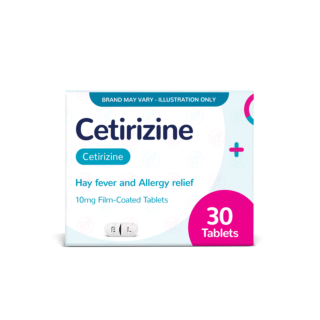
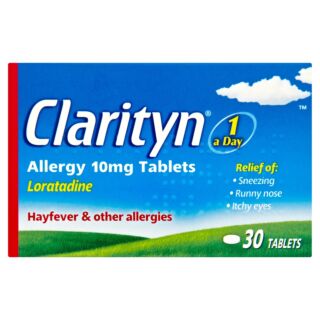
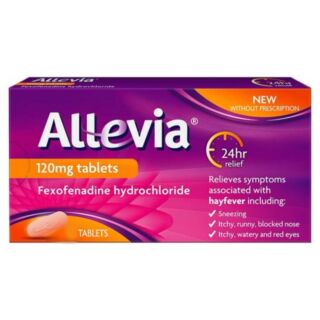
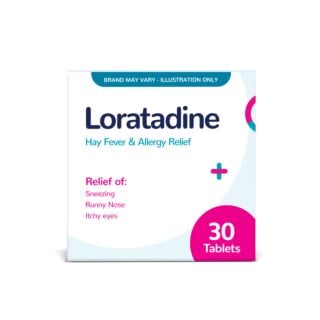
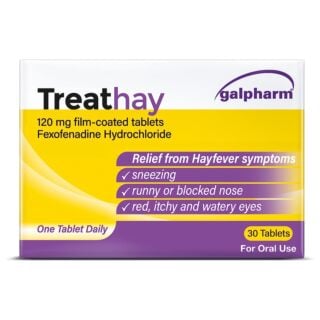
“Non-drowsy antihistamines are best for daytime use. Popular options include cetirizine (Piriteze), loratadine (Clarityn), and fexofenadine (Allevia and Treathay). These typically start working within 30 minutes and last all day without affecting your concentration.
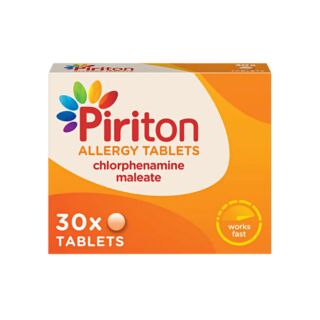
“Drowsy antihistamines like chlorphenamine (Piriton) are ideal for nighttime use. They work effectively on hay fever symptoms while helping you drift off to sleep.
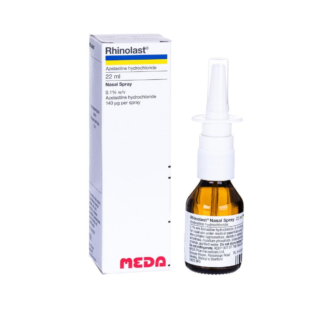
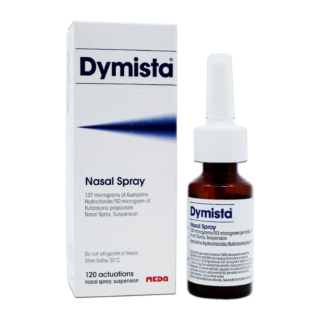
“Nasal sprays contain either an antihistamine like Rhinolast (blocks histamine and reduces symptoms), corticosteroids like Avamys (reduces inflammation and congestion), or both, as is the case with Dymista.
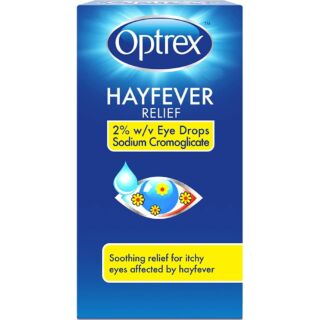
“Eye drops typically contain sodium cromoglicate, which prevents the histamine release in your eyes, relieving itching, watering, redness, and swelling throughout the day. A good example is Optrex Hay Fever Eye Drops.”
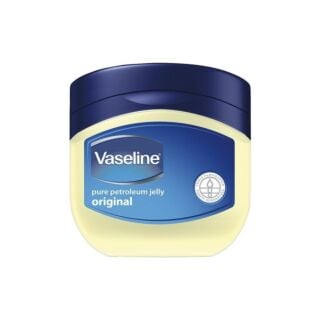
“Apply petroleum jelly (Vaseline) around your nostrils to trap pollen before you inhale it. Think of it like a nose shield, preventing any pollen from getting into your nostrils and causing your hay fever symptoms.”
“If you’re a hay fever sufferer, you’ll know when you’re most likely to be affected. To stop hay fever in its tracks, start taking your antihistamine tablets every day around two weeks before your personal peak allergy season to prevent your symptoms from becoming severe.”
“When you get home from being outdoors, take a shower and change into fresh clothes straight away. This washes away any pollen that’s settled on your skin, hair, or clothes throughout the day, stopping it from spreading around your home and triggering symptoms.”
Hanna Yusuf, Prescribing Pharmacist at Chemist4U
Keep windows shut
“While it’s tempting to open a window to let in fresh air when the weather’s nice, it’s important to keep your home a pollen-free zone, especially if there's a high pollen count.”
Ian Budd, Prescribing Pharmacist at Chemist4U
Avoid drying clothes outside
“Wet clothes act like pollen magnets. Dry your clothes indoors or use a tumble dryer during hay fever season to avoid bringing allergens into your wardrobe.”
“Hats and sunglasses create a simple barrier that stops pollen from reaching your eyes and settling in your hair. It can make outdoor activities more comfortable, too.”
Ian Budd, Prescribing Pharmacist at Chemist4U
Vacuum with a HEPA filter
“Using a hoover with a HEPA filter traps tiny pollen particles that ordinary hoovers might blow back into the air. This keeps your floors and soft furnishings as pollen-free as possible.”
Hanna Yusuf, Prescribing Pharmacist at Chemist4U
Eat spicy food
“While eating spicy food won’t stop your hay fever, it can help to clear hay fever-induced nasal congestion by thinning mucus and causing a runny nose to drain sinuses. Include foods like chilli peppers, wasabi, or horseradish into your meals to see if it helps.”
Ian Budd, Prescribing Pharmacist at Chemist4U
Food and drink with antihistamine properties
“There are some foods and drinks that naturally contain ingredients with antihistamine properties, like quercetin, vitamin C, and bromelain, that may help to stabilise allergic reactions and inflammation.”
Hanna Yusuf, Prescribing Pharmacist at Chemist4U
These foods include:
berries
apples
pineapple
citrus fruits
bell peppers
broccoli
leafy greens
garlic
onions (particularly red onions)
local honey (may help to desensitise the immune system against pollen)
“Keep an eye on the pollen count and when it peaks, which is usually early morning (5am to 10am) and early evening.
“Your best bet is to plan outdoor activities for late morning or mid-afternoon when the pollen count drops or reschedule for a day when the pollen count is lower.”
Ian Budd, Prescribing Pharmacist at Chemist4U
Cutting grass
“Avoid cutting grass or being around freshly mown lawns, as this stirs up large amounts of pollen and can trigger symptoms quickly.”
Hanna Yusuf, Prescribing Pharmacist at Chemist4U
Rubbing eyes
“Resist the urge to rub your eyes, even though they're itchy. Rubbing releases more histamine and makes symptoms significantly worse. Use eye drops instead.”
Ian Budd, Prescribing Pharmacist at Chemist4U
Alcohol
“Some alcoholic drinks contain histamine, the exact chemical your body releases when reacting to pollen. It also dehydrates you, which can intensify congestion, a dry throat, and headaches.
“If you're taking antihistamines, some alcoholic drinks may reduce their effectiveness and can increase drowsiness.
“Red wine is the worst offender due to its high histamine levels, but beer and champagne also contain significant amounts, so it's best to avoid them all during hay fever season.”
Hanna Yusuf, Prescribing Pharmacist at Chemist4U
High-histamine foods
“While some foods and drinks help ease hay fever, others can make it worse. Avoid these high-histamine foods, as they may trigger allergy symptoms, inflammation, and congestion:
chocolate (especially dark chocolate)
dairy
fermented foods (sauerkraut, yoghurt)
aged cheeses
spinach
avocado
nuts (almonds, cashews)”
Ian Budd, Prescribing Pharmacist at Chemist4U
How Chemist4U can help with your hay fever
While hay fever is uncomfortable, it’s easily manageable with the right treatment. Whether you need over-the-counter antihistamines or prescription medications, we've got you covered.
Answer a few questions about your symptoms and medical history, and one of our expert clinicians will recommend the best treatment for you.
We'll deliver everything quickly and discreetly to your door, so you can stock up on allergy essentials from the comfort of your own home.
Frequently asked questions about stopping hay fever
What are the worst months for hay fever?
May, June, and July are the toughest months for hay fever sufferers, when pollen levels peak. While tree pollen starts first in March and April, most people experience their worst symptoms during grass pollen season in June and July.
Does drinking water stop hay fever?
Drinking water won't cure hay fever, but staying properly hydrated is one of the simplest ways to ease symptoms. Drinking enough water helps thin mucus in your nasal passages, reduces congestion, soothes a sore throat, and may even lower your body's histamine production, making you less reactive to pollen.
What drinks help hay fever?
Ginger tea acts as a natural antihistamine, peppermint tea clears congestion, and chamomile and nettle tea reduce inflammation. Green tea may block histamine production, while lemon and honey water can soothe your throat.
How to naturally fix hay fever?
While there are things you can do to help manage hay fever, like not hanging clothes outside to dry, wearing sunglasses outdoors, and avoiding high pollen times, natural remedies alone won't effectively treat your symptoms.
Treatments that contain antihistamines or corticosteroids are the only proven way to truly control hay fever.
Chemist 4 U uses cookies (and other techniques) to enhance your shopping experience.
Read more about our cookie policy, terms and conditions and privacy statement. By continuing on this site and accepting our cookies you agree to the collection of information on this basis by us and by third parties on the platform as well as direct email marketing. Please customise your cookie settings below.
Find out more about our data policies.