Hay fever is incredibly common, affecting around 13 million people in the UK every year. But how well do you know its symptoms?
It can be tricky to determine whether you have hay fever, another allergy, or even the common cold, especially with how much the symptoms overlap.
Here, we’ll tell you everything you need to know about hay fever symptoms, including how to treat them and when to see your doctor.
Three key takeaways
Sneezing, coughing, congestion, and itchiness (in the eyes, throat, nose, and ears) are the main hay fever symptoms.
Hay fever and cold symptoms are similar, but itchiness and how quickly symptoms appear (hay fever is immediate after exposure, whereas a cold is gradual), are telltale signs on how to tell them apart.
The best way to treat hay fever is by using antihistamine tablets, nasal sprays, and eye drops. If regular treatments from a pharmacy don’t work or your symptoms are becoming severe, speak to your GP for advice.
If you’re allergic to pollen, your body treats it as a threat, releasing a chemical known as histamine. This causes swelling and inflammation, which is why your nose can become blocked and your eyes itchy. Antihistamine medications work by blocking histamine and easing your symptoms.
What triggers hay fever?
Tree, grass, and weed pollen are the main triggers for hay fever. In the UK, tree pollen season runs from March to May (affecting around 25% people), grass pollen from May to July (most people are affected during this time), and weed pollen from June to September.
The pollen count tends to be higher on warm and humid or windy days, which is when symptoms are at their worst.
How long hay fever lasts depends on which type you have and which pollen you're allergic to.
Seasonal hay fever
Seasonal hay fever is the most common, meaning your allergies come and go with the seasons.
For example, you may find you have a flare-up during spring and summer, depending on which type of pollen triggers your allergies.
Your symptoms will usually then last for a few weeks to a few months during pollen season. Once the season ends, your symptoms should improve or disappear.
Perennial hay fever
You might have heard the term ‘perennial’ when it comes to plants – they’re the ones that survive year-round rather than just for one season. The same applies to perennial hay fever.
It lasts all year rather than at specific times because it’s triggered by things constantly present in your environment, like dust mites, pet dander, or mould.
Your symptoms will pretty much stay the same throughout the year, rather than getting worse at certain times.
Both hay fever and the common cold can leave you sneezing and congested, but knowing which one you have helps you find the right treatment. Here’s a handy comparison table.
Symptoms
Hay fever
Common cold
Onset
Sudden, immediately after exposure
Gradual, over 1-3 days
Contagious
No
Yes
Duration
Lasts as long as you’re exposed to the allergen (weeks/months)
Usually 7-10 days (peaks during days 2-3)
Timing
Seasonal or after specific triggers (pollen, dust, pets)
Any time, but more common in winter
Itching
Itchy eyes, nose, throat, and ears
No
Nose
Nasal discharge is clear, thin, and watery
Nasal discharge starts clear then becomes thick and yellow/green
Eyes
Red, watery, itchy
Mildly watery, if any symptoms
Body aches
No
Common
Fever
No
Sometimes, but more in children
Fatigue
Common
Common
Sore throat
Sometimes (caused by postnasal drip)
Common
Cough
Common, usually dry
Common, usually productive (chesty)
Sneezing
Common
Common
When to see a doctor about hay fever
You should book an appointment with your GP if your hay fever symptoms aren't improving despite using over-the-counter medications from the pharmacy, or if you notice your symptoms are becoming more severe.
How to treat hay fever
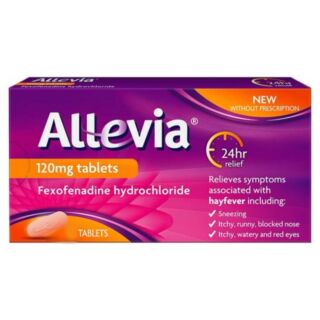
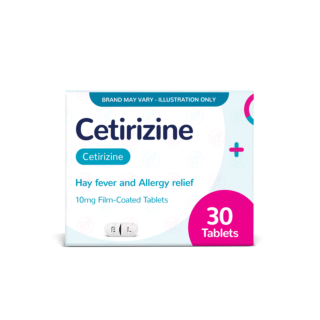
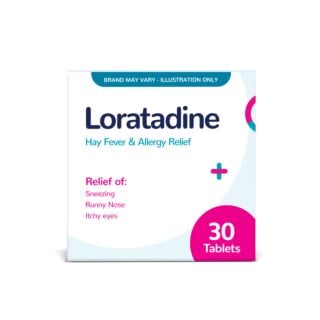
“To treat your hay fever during the day, choose non-drowsy options like cetirizine, loratadine (Clarityn), or fexofenadine (Allevia and Treathay). They kick in within about 30 minutes and keep working all day, and for most people, they won’t make you feel sleepy or groggy.
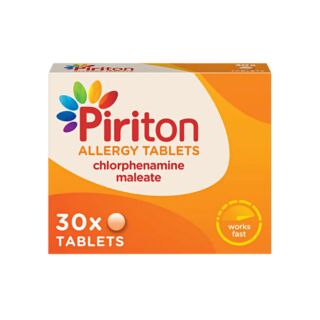
“If your symptoms are disrupting your sleep, drowsy antihistamines like chlorphenamine (Piriton) can tackle your hay fever while helping you get a good night's rest.
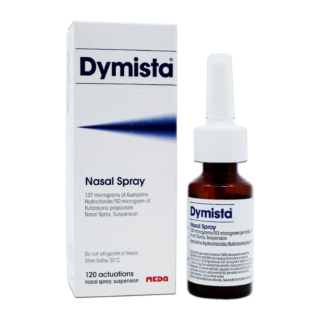
“Nasal sprays offer targeted relief and come in different types. Antihistamine sprays like Rhinolast block histamine directly in your nose, while corticosteroid sprays like Avamys reduce inflammation and congestion. Some sprays like Dymista combine both ingredients for maximum effect.
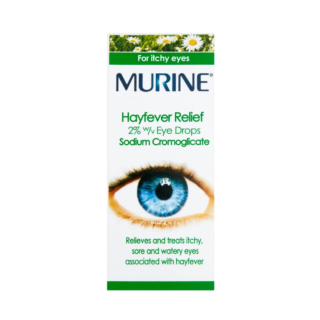
“For itchy, watery eyes, drops containing sodium cromoglicate like Murine Hay Fever Relief Eye Drops can provide soothing relief throughout the day.
“A simple trick is to apply a thin layer of Vaseline around your nostrils, which acts as a barrier to trap pollen before it enters your nose.
“Also, if you know when your hay fever typically flares up, you can get ahead of it by starting daily antihistamines about two weeks beforehand to keep symptoms from becoming severe.”
Don’t let hay fever slow you down. With the right treatment, you can enjoy spring and summer without sneezing, itching, and congestion. Plus, we have a range of products that you can buy right away, for immediate symptom relief.
But if your hay fever is more severe, don’t worry. Simply complete a consultation, answering questions about your symptoms and medical history, and our qualified clinicians will recommend the ideal treatment to help keep your hay fever under control.
If it’s suitable for you, we’ll send your treatment straight to your door in discreet packaging, so you can be prepared for pollen season from the comfort of your own home.
Frequently asked questions about hay fever symptoms
Can hay fever make you tired?
Hay fever fatigue is common (though often overlooked!) and can leave you feeling drained and unable to concentrate.
When your body responds to pollen, the resulting inflammation, congestion, narrowed airways, and disrupted sleep can sap your energy, making it difficult to get through the day.
Can hay fever cause headaches?
When your nasal passages swell up, pressure builds in your sinuses, causing pain around your forehead, cheeks, and eyes.
Can hay fever cause a sore throat?
Yes, hay fever often causes a sore throat. This happens when mucus drips down the back of your throat (postnasal drip), or when you breathe through your mouth because your nose is blocked.
Can hay fever cause a cough?
Hay fever can trigger a persistent dry cough, usually from mucus trickling down your throat or pollen irritating your airways. It often gets worse at night when you're lying down.
Can hay fever cause nosebleeds?
The inflammation caused by hay fever dries out your nasal passages, making the blood vessels inside more fragile. Frequent nose blowing and rubbing can then lead to nosebleeds.
What's the difference between hay fever and allergies?
Hay fever is simply one type of allergy. While ‘allergies’ can refer to reactions to anything from nuts to pet dander, hay fever specifically means you're allergic to pollen.
Chemist 4 U uses cookies (and other techniques) to enhance your shopping experience.
Read more about our cookie policy, terms and conditions and privacy statement. By continuing on this site and accepting our cookies you agree to the collection of information on this basis by us and by third parties on the platform as well as direct email marketing. Please customise your cookie settings below.
Find out more about our data policies.