It can be tricky knowing what you can and can’t take during pregnancy, but hay fever doesn’t stop simply because you’re having a baby.
So, if you’re wondering whether the hay fever remedies you already have in the cupboard are safe to use, you’re not alone.
In this guide, we’ll cover the best ways to treat hay fever during pregnancy. From the things you can do yourself to the medicines you should avoid.
Three key takeaways
Although loratadine and cetirizine are potentially considered safe to take during pregnancy, you must only take them if they’re prescribed or recommended to you by a clinician or pregnancy health expert.
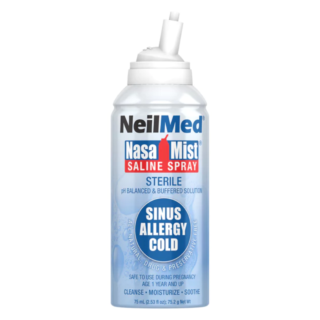
A saline nasal spray is the best and safest option to use during pregnancy. It’s simply salt water and helps to wash away pollen and mucus.
Not all hay fever remedies are safe to take during pregnancy. Always check with your healthcare provider (like your GP, midwife, or pharmacist) before taking any new medication.
Can you take antihistamines when pregnant?
“Not all antihistamines are safe to take during pregnancy. And while treatments like loratadine and cetirizine are generally considered suitable, you should only take them if they've been prescribed or recommended by a clinician or pregnancy health expert.
“Before taking any medication, always check with your healthcare provider to ensure it's safe for both you and your baby.”
The increase in hormones during pregnancy, particularly oestrogen and progesterone, can make your nasal passages more sensitive and prone to inflammation, which can amplify your symptoms.
You might also be dealing with pregnancy rhinitis, a stuffy or runny nose caused by pregnancy itself, which can overlap with hay fever symptoms.
As well as taking any medication recommended by your healthcare provider, there are also some things you can do in your day-to-day life that might make managing hay fever that bit easier:
Checking the pollen forecast daily and staying indoors when the count is high, particularly in the early morning and early evening when pollen levels peak.
Keeping windows closed during high pollen days, especially in your bedroom at night.
Wearing wraparound sunglasses when you're outside to stop pollen from getting into your eyes.
Showering and washing your hair after being outdoors to remove pollen from your skin and hair.
Changing your clothes when you come inside and putting them straight in the wash.
Drying your washing indoors rather than on an outdoor line where it can collect pollen.
Applying a small amount of petroleum jelly (like Vaseline) around your nostrils to trap pollen before it enters your nose.
Vacuuming regularly and dusting with a damp cloth to remove pollen that's made its way indoors.
Avoiding cutting grass or walking in grassy areas.
What hay fever treatments can you use in pregnancy?
A saline nasal spray is simply salt water, so it’s completely safe to use during pregnancy. While it won’t stop the allergic reaction itself, it can be useful to wash away pollen and mucus, providing relief from congestion and irritation.
You can use it alongside antihistamines (ones that are safe to take during pregnancy) or on its own to tackle milder hay fever symptoms.
Fexofenadine (Allevia, Treathay): There’s limited information about its use in pregnancy.
Acrivastine: Again, there’s limited information about its use in pregnancy.
Combined antihistamine and corticosteroid nasal sprays (Dymista): There’s limited safety information available about its use in pregnancy.
When to speak to a doctor about your hay fever
It's worth speaking to your GP if your hay fever symptoms are disrupting your sleep or daily life, or if the self-care measures and medication you've tried (like saline nasal sprays or staying indoors during peak pollen days) aren't helping.
Frequently asked questions about hay fever in pregnancy
Can hay fever cause complications for an unborn baby?
Hay fever itself won't harm your baby. While the symptoms can leave you feeling tired and uncomfortable, the condition doesn't affect your baby's development.
However, not all hay fever remedies are safe during pregnancy, so always check with your healthcare provider before taking anything.
What are the worst months for hay fever?
Although hay fever season typically begins in March or early April with tree pollen, this might not be considered the worst months. Since most hay fever sufferers are allergic to grass pollen, May to July are generally considered the worst months when the majority of people struggle with their symptoms.
Chemist 4 U uses cookies (and other techniques) to enhance your shopping experience.
Read more about our cookie policy, terms and conditions and privacy statement. By continuing on this site and accepting our cookies you agree to the collection of information on this basis by us and by third parties on the platform as well as direct email marketing. Please customise your cookie settings below.
Find out more about our data policies.