Having a food allergy can sometimes feel limiting, even if they’re extremely common. In fact, around 6% of the UK population is allergic to at least one food or drink.
While most food allergies are mild, some (like peanuts, tree nuts and shellfish) are among the main causes of anaphylaxis. That’s why it’s so important to know what to watch out for, and how to stay safe.
We’ll take you through some simple steps that can help you identify and manage your food allergy, from how to spot an allergic reaction to which antihistamines can provide relief.
Three key takeaways
There are 14 main foods and food groups that cause allergic reactions, and food businesses must declare them on labels or menus.
Most food allergies are mild with manageable symptoms, however, some can be more serious and require emergency treatment.
Some allergy symptoms can be managed using antihistamines.
How do food allergies work?
“Food allergies happen when your immune system becomes confused and mistakes proteins found in foods as a threat. Your body releases chemicals, including histamines, and they cause the symptoms of an allergic reaction.”
It’s possible to be allergic to any food. However, the 14 most common food allergens legally have to be declared on labels and menus by food businesses. These are:
Cow’s milk
There are two types of cow’s milk allergy: immediate, which can be serious and cause anaphylaxis, and delayed, which mainly causes symptoms in the digestive system and skin.
Milk allergies are often linked to a family history of a similar allergy, eczema, hay fever or asthma.
Cow’s milk is used to make cheese, yoghurt, ice-cream, cream and is an ingredient in many foods, often in dried form. Watch for labels that include casein, caseinates, whey, or buttermilk.
Eggs
Both raw and cooked eggs can cause allergies. Some people can tolerate eggs in baked goods, while others are more sensitive.
Most commonly, people are allergic to hen’s eggs, but may react to eggs from other birds like duck, turkey and quail. Symptoms are usually immediate, but can be delayed and might include hives, swelling, stomach pain and diarrhoea, runny nose, sneezing, coughing and wheezing, or more severe anaphylactic symptoms.
Peanuts
Peanuts are a legume, a different family to tree nuts. Common symptoms of peanut allergies include skin reactions, swelling of the lips, face and throat and respiratory problems, as well as more serious anaphylaxis symptoms.
As well as peanut butter, cakes, sweets, sauces, snack bars and ice-cream, you may find peanuts in oil, salad dressings, soup mixes, crisps and fried foods.
Having a peanut allergy is very common and affects around one in 50 children. Although it usually develops in early childhood, it’s possible to get later in life.
Tree nuts
The eight most common tree nuts are walnuts, cashews, pecans, pistachios, almonds, macadamia, shea nuts and hazelnuts. You can be allergic to one or more type of tree nut.
Most people only experience mild symptoms like itching, swelling or digestive issues, but some people’s reactions are more severe.
Tree nuts are found in nut butters, oils and milks, biscuits and confectionary, cereals, ice-cream, marzipan, pesto and vegetarian foods. Coconut, pine nuts and chestnuts are in a different category to tree nuts.
Fish
There’s a huge variety of fish, and it’s possible to be allergic to any of them. A fish allergy refers to fish with fins, like salmon, cod, plaice, haddock, tuna and trout. However, people who are allergic to one kind of fish are likely to also react to others.
Mild symptoms can include rashes, itching, swelling in the mouth and throat tightness and stomach pain, vomiting or diarrhoea. More seriously, fish allergies can cause anaphylaxis.
Some people with fish allergies experience symptoms when fish is cooked nearby or they're near unpackaged raw fish. Apart from the obvious seafood dishes, you can also find fish in Worcestershire sauce, dressings, marinades, pizza and soups, as well as some imitation crab meat.
Crustaceans
If you’re allergic to crustaceans, you may notice symptoms after eating crab, mussels, prawns (shrimp) or lobster. If you react to one, it’s likely you’ll be allergic to others in this group, and there’s a possibility you’ll react to molluscs.
Commonly, if you’re allergic, you’ll experience rashes, itching, digestive issues and swelling in the mouth and throat, but some people will get more serious anaphylaxis symptoms.
Crustaceans in food can be obvious, but they can also be a hidden ingredient. For example, scampi can include prawns, fish sauce is used in some recipes, and stock can contain crustaceans.
Molluscs
Molluscs are a kind of seafood, and include shellfish like mussels, oysters, scallops and clams, snails and limpets, and squid, octopus and cuttlefish. You might be allergic to only one kind of mollusc, but it’s likely that you’ll react to others in the group, as well as some of the shellfish group.
Symptoms are usually the same as with other food allergies. Swelling in the lips and mouths, rashes, itching and digestive issues, but some people will have more serious anaphylactic shock symptoms.
Shellfish is often visible in dishes, but can be renamed (scampi is a form of lobster) or 'hidden’ in stocks and soups. For example, oyster sauce is a common ingredient in Asian food.
Soybeans and soya
Soy or edamame beans are legumes, and are fairly easy to avoid in fresh, unrefined form. However, soya is very widely used: as much as 60% of processed foods contain soya.
Soya comes in flour, sauce and oil form, and is also used to add texture, silkiness and protein in manufactured foods. It’s commonly found in breads, cakes, ready meals, burgers, crisps, pizza, soups, sausages and some baby foods.
As it’s so widely present, you’ll probably need to balance your level of tolerance with dietary restrictions. If you’re not extremely allergic to soya, you may be able to eat some foods, or those with small amounts of certain ingredients.
Cereals
Cereals include wheat, rye, barley and oats as well as couscous, spelt and semolina. You may only be allergic to wheat or also react to other grains. There are different kinds of reaction to wheat, which include:
IgE mediated. An immediate allergy response. Symptoms include blocked nose, asthma, hives, swelling in the mouth area or anaphylaxis as well as digestive issues and eczema flare-ups.
Non-IgE mediated. A delayed allergy response. Symptoms include diarrhoea, eczema flare.
Coeliac disease. An autoimmune condition. Symptoms include bloating, digestive issues, hair loss, weight loss, joint pain, miscarriages and anaemia.
Fermentation in the gut due to fructans (carbohydrates) in wheat.
Gluten sensitivity. Symptoms are usually digestive, but can be associated with joint pain, fatigue, headaches, and depression.
Wheat dependent exercise induced anaphylaxis. Symptoms only appear after eating wheat and then exercising.
Many foods include wheat, oats, rye and barley, including breads, cereals, pasta, noodles, pizza, breakfast cereals, ready meals, cakes, beer, gravy, and food with coatings or batter.
Sesame
Sesame seeds and oil can both cause reactions, with symptoms like hives, itching, rash, coughing and wheezing, gastrointestinal issues, and, more seriously, anaphylaxis.
Sesame is found in hummus, tahini, on bread, and in crackers and snacks. It can also be 'hidden' in vegetable oil and some flavourings and is particularly common in Asian cuisine. Some people with a sesame allergy may also have a peanut allergy or react to other seeds.
Celery
Celery and the celeriac root, seed and spice are common ingredients in foods, so, as well as avoiding it in raw form, it’s important to look carefully at menus and labels.
It’s found in salads, stews, stock cubes, sauces, spice mixes and processed foods. If you’re allergic to celery, you may also experience reactions to carrot, parsley, pepper and some spices.
Celery allergies are frequently linked to oral allergy syndrome (OAS). That’s where those with pollen allergies react to certain foods, especially when eaten raw.
Symptoms are common to those of other food allergies, including hives, stomach and digestive issues, swelling in the mouth, and anaphylaxis.
Mustard
Although it’s relatively easy to avoid mustard in sauce form, its use as an ingredient can make a mustard allergy a tricky condition to manage. Mustard seed adds flavour, and can thicken or stabilise processed foods, so if you have a mustard allergy, it’s important to read labels and menus carefully.
You’ll find it in sauces, salad dressings, pickles, processed meat, stock and some baby foods, as well as in fresh green form in salads. It’s also closely associated with oral allergy syndrome. Symptoms can include swollen lips and mouth, vomiting and hives, as well as anaphylaxis.
Lupin
Lupin is a flower whose seeds are in the same legume family as peanuts, and are often used to make flour. Less commonly used in the UK, but added to some products imported from Europe, you may find lupin flour in waffles, pancakes, biscuits, processed meats and pizzas.
It’s important to get used to studying labels of any foods you are trying for the first time – it can also be labelled as lupine, lupin flour, lupin seed or lupin bean.
In common with other food allergens, you may experience symptoms like swollen mouth and lips, vomiting and digestive issues as well as hives. More uncommonly, some people will have a serious anaphylactic reaction to lupin.
Sulphur dioxide and sulphites
Sulphur dioxide, or sulphites are used to preserve food. They can be found in some medicines, pickles and vinegar, dried fruit, tinned coconut milk, alcoholic and soft drinks, juices, guacamole, prawns, and processed meat products. They’re also used in very tiny quantities as a bleaching agent in flour, crisps, chips and jams.
Reactions do not usually involve the immune system, but can affect your breathing. Common symptoms include coughing, wheezing and a tight chest as well as rashes, stomach pain and eczema flare-ups.
Rare food allergies
It’s possible to be allergic to almost any kind of food. Some rarer allergies include:
corn
gelatin
nightshades (tomatoes, aubergines, peppers and potatoes)
seeds (usually sunflower and poppy)
red meat
honey
wine
Food allergy symptoms
Food allergy symptomsvary from person to person and even with each reaction. But common signs of food allergy include:
irritation and swelling in you lips, tongue, mouth, throat and nose
a runny nose
hives
stomach irritation and pain
diarrhoea
coughing
wheezing
rashes
eczema flare-ups
feeling sick
More serious anaphylaxis symptoms can include:
wheezing
tightness in your throat
coughing
hoarse voice
noisy breathing
swollen lips, tongue, throat or face
hives or itchy skin
skin flushing
skin turning pale, ashen or blue
dizziness
faintness
rapid heart rate
severe stomach pain
vomiting
diarrhoea
tiredness
confusion or agitation
uterine cramps in women
anxiety
Severe and serious symptoms of anaphylactic shock can include:
a dramatic fall in blood pressure
breathing difficulties
choking
extreme tongue or throat swelling
fainting or collapse
drowsiness
extreme confusion
cold skin
weak pulse
a child becoming floppy or finding it difficult to lift their head
When to seek medical help
If your symptoms change or worsen you should speak to your GP.
Seek urgent medical attention in hospital, or call 999 if:
your lips, mouth, throat or tongue suddenly become swollen
your breathing rate increases rapidly or you feel wheezy
you are struggling to swallow
you become drowsy, confused or dizzy
your lips become pale or turn blue or grey
someone has fainte
a child becomes floppy or limp
How to diagnose a food allergy
You may be able to work out what you’re allergic to by when your symptoms appear, or by keeping a food diary.
If you're struggling to figure out your allergies, you can go to a doctor for a consultation. Some people are then referred to a clinic for more blood or skin prick testing.
A skin prick test (SPT) involves putting a small amount of the allergen onto your skin and then using a lancet to prick through the drop to allow a very small amount of the allergen into the skin. If you’re sensitised to that allergen, you’ll notice that patch of skin becoming itchy or bumpy.
Blood tests are used to find if you have antibodies to suspected allergens, while food challenge tests involve eating small amounts of your suspected trigger food, under supervision, to see if you have a reaction.
Your health provider might also suggest following an elimination diet.
How to treat a food allergy
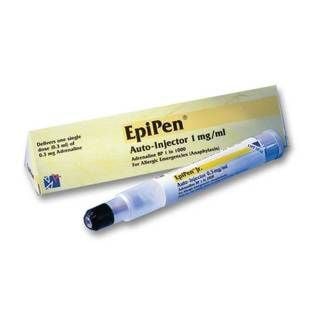
If you experience a new reaction, immediately rinse out your mouth with water and stop eating the food. Some allergy symptoms can be managed by taking antihistamines, and more severe reactions by using an adrenaline auto-injector, like an EpiPen.
If you continue to struggle, you could consider immunotherapy treatment for allergic reactions. This involves visiting a medical professional who will carefully expose you to your allergen, so your body gradually becomes used to it. Your GP can refer you to a clinic.
Which antihistamines can be used for food allergies?
Food allergies can often be easily managed. Here are 10 steps you can take to help control your symptoms:
Keep a food diary so you know which fruits, vegetables or seeds might be triggering your allergy.
Avoid trigger foods when you can.
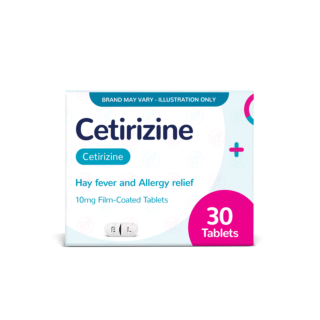
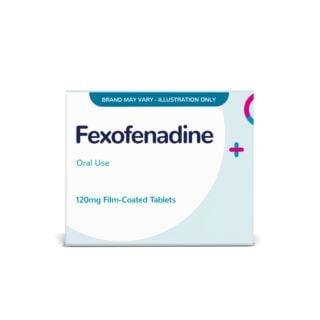
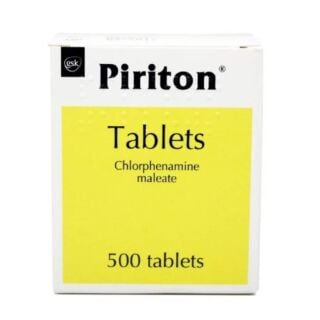
Take antihistamine treatments like cetirizine, loratadine, or fexofenadine to tackle your allergy symptoms.
Prevent cross-contamination by being careful how you store and prepare your food, and when sharing utensils.
Read menus and labels carefully.
Communicate your dietary requirements to friends, family, colleagues, and restaurant staff.
Carry antihistamines or EpiPens if you need them.
If your allergy is extreme, avoid areas you know might have allergens present.
Consider wearing a medical bracelet or ID.
Take 'safe' snacks or meals with you, and research menus and food options ahead of time.
How Chemist4U can help
We have a range of allergy treatments to help you manage your symptoms. Some are available without prescription, while others require a consultation with our experienced clinicians.
There’s something suitable for all the family, like antihistamines, syrups and eye drops. You can even replace your adrenaline auto-injector if your GP has already prescribed you one for potentially serious symptoms.
tree nuts (including, but not limited to: almond, brazil, cashew, hazelnut, pistachio, walnut)
wheat
How soon does a food allergy kick in?
Some food allergy symptoms are immediate, normally those that affect the lips, throat and face. However, some can take up to two hours to appear, like those related to non-IgE-mediated allergies, like vomiting or diarrhoea. Food sensitivity symptoms can also take much longer to appear. Anaphylaxis is usually instant and severe, and requires immediate emergency treatment.
Chemist 4 U uses cookies (and other techniques) to enhance your shopping experience.
Read more about our cookie policy, terms and conditions and privacy statement. By continuing on this site and accepting our cookies you agree to the collection of information on this basis by us and by third parties on the platform as well as direct email marketing. Please customise your cookie settings below.
Find out more about our data policies.