Sometimes antihistamines are the only way to keep symptoms at bay during a high pollen hay fever season. But what do you do if one a day isn’t enough?
We’ve answered all your questions about taking two antihistamines at once, including what to avoid, when to speak to a clinician, and how to stay safe.
Three key takeaways
Always listen to your doctor. It can be tempting to up your dose or combine medications when symptoms are really bad, but you shouldn’t do anything without speaking to your GP first.
More tablets don’t always mean more relief. While it may seem like taking two antihistamines will make them more effective, it’s actually more likely that you’ll experience unpleasant side effects.
Look at other treatments. In most cases, you can take antihistamine tablets with other hay fever treatments like nasal sprays or antihistamine eye drops if your symptoms get worse.
When can you take two antihistamines together?
If your hay fever is particularly bad this season, you might be finding that one antihistamine just isn't cutting it.
In some cases, your clinician may decide that taking two antihistamines is the best way to tackle extreme hay fever symptoms. This includes:
skin rashes
itchy eyes or a runny nose that is impacting daily life
Though it may be tempting to double up when your symptoms are getting in the way, it’s important that this is a decision your clinician makes. Otherwise, you may accidentally take too much or increase your risk of side effects from either medication.
If your doctor decides that you should take two, they’re likely to recommend twodifferent antihistamines to get the best results while keeping you safe.
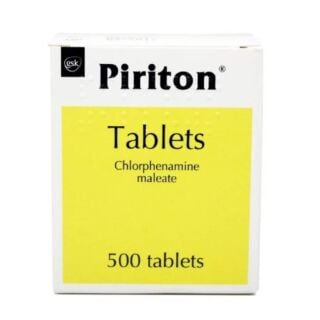
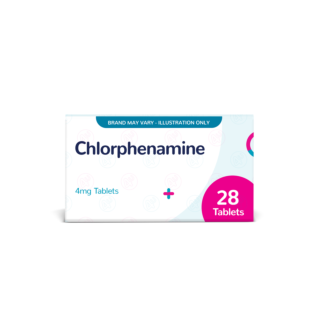
The recommended adult dose for Piriton is one tablet every four to six hours. Taking two at once is not advised, so as a general rule, stick to one.
It's also worth knowing that Piriton is more likely to cause drowsiness compared to some newer antihistamines, so doubling up without medical advice could leave you feeling very groggy.
If you feel like one Piriton tablet isn't doing enough, talk to your clinician rather than upping your dose yourself. They can help find the best solution for your symptoms safely and effectively.
If you have hay fever, there's a good chance you've experienced a headache alongside your other symptoms. This can happen as a result of the allergic reaction itself, or from the pressure that builds up in your blocked sinuses.
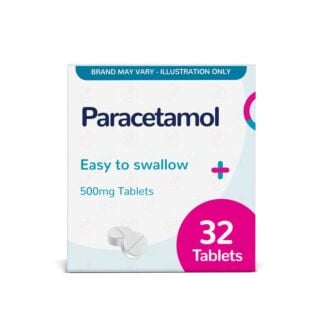
When a headache strikes, it's natural to want to reach for a paracetamol or ibuprofen to take the edge off. The good news is that most antihistamines don't react with either of these common pain relievers, so in most cases, it's safe to take them together.
It’s always best to take a few minutes and double check what the patient information leaflet says as they’ll always outline any medications that can interact with each other. If you’re still not sure, then you can always speak to a pharmacist for advice.
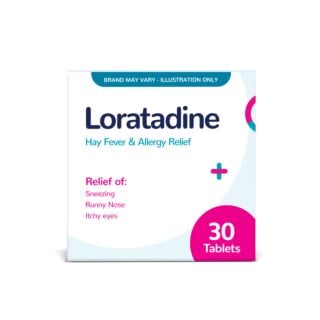
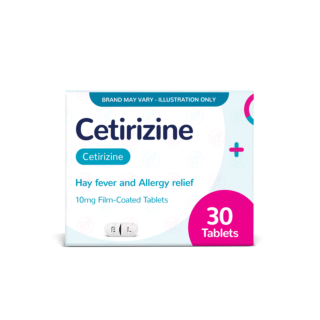
Both loratadine and cetirizine work in a very similar way, so combining them is unlikely to make them any more effective at tackling your symptoms.
In fact, taking the two together could actually increase your risk of experiencing unwanted side effects, such as headaches, drowsiness, or an unsettled stomach.
A clinician is unlikely to recommend these two antihistamines together, and if it is recommended then this is on a case by case basis.
While Piriton (chlorphenamine) and cetirizine are slightly different types of antihistamine, combining them can still increase your risk of side effects. This is especially true of drowsiness since Piriton is already known for causing this on its own.
That said, there are some cases where a clinician may decide that taking the two together is the right course of action, although this is a less common approach. For example, to help youmanage severe itchy skin rashes.
You should never make this decision yourself, so if you’re feeling like one isn’t working by itself, book an appointment with your GP.
In most cases, a single antihistamine is perfectly sufficient for managing everyday hay fever symptoms. However, if your symptoms are more severe, one medication may not be enough to provide the relief you need.
Examples of when a clinician may consider two antihistamines include:
Severe skin conditions: examples like hives or itchy rashes, where just taking one antihistamine isn’t doing enough to keep symptoms under control.
Chronic conditions like urticaria may sometimes require a higher dose over time, though this will usually be done off label.
4 tips for staying safe on antihistamines
Taking antihistamines is generally very safe, but as with any medication, it's important to be mindful of how you're using them:
Don’t take antihistamines with alcohol. Not only do they contain histamines, but they can intensify symptoms like drowsiness.
Avoid driving or operating heavy machinery if you’re taking antihistamines that are drowsy.
Stick to the recommended dose and never combine antihistamines without medical advice.
Always read the patient information leaflet. It contains all of the information you need to take your medication safely.
With a wide range of antihistamines to choose from, we can help make sure you’ve got all the tablets, nasal sprays and eye drops you need to stay comfortable.
“When hay fever season approaches, it's always a good idea to get ahead of your symptoms by making sure you have your usual antihistamine stocked up.
“If you've struggled in previous years, speak to your GP or pharmacist before the season starts to review your options. You should never take two antihistamines together without speaking to a doctor first. It might seem like a quick fix, but it can do more harm than good."
If you are still suffering from hay fever symptoms, then in most cases you can safely take other hay fever medications like nasal sprays or eye drops.
Is it okay to take 20mg of antihistamine?
Most common over-the-counter antihistamines, like cetirizine or loratadine, have a standard adult dose of 10mg. So, taking 20mg would be equivalent to taking a double dose, which is not advised.
Will two allergy pills work better than one?
Although it might seem like a good idea, taking more medication doesn’t always work better. In fact, it can actually increase your chance of having more severe side effects from either of the medications.
Chemist 4 U uses cookies (and other techniques) to enhance your shopping experience.
Read more about our cookie policy, terms and conditions and privacy statement. By continuing on this site and accepting our cookies you agree to the collection of information on this basis by us and by third parties on the platform as well as direct email marketing. Please customise your cookie settings below.
Find out more about our data policies.