Norethisterone vs Provera: Which Period Delay Pill is Right For You?
Norethisterone vs Provera: Which Period Delay Pill is Right For You?
Whether you've got a holiday coming up or a special event on the calendar, period delay pills can be the ideal solution if you don't want to deal with your period. But which is the best one for you?
Two of the most commonly prescribed options in the UK are norethisterone and Provera (medroxyprogesterone), and while they both do a similar job, they're not exactly the same.
This guide walks you through the differences between norethisterone and Provera, so you can work with your prescriber about which one might be the right fit.
Three key takeaways
Both norethisterone and Provera are prescription-only medicines that can delay your period. But while norethisterone is specifically licensed in the UK for period delay, Provera is prescribed off-label for this purpose.
Although norethisterone is very effective and well-established, Provera may be a better fit if you can't tolerate norethisterone or have any risk factors that put you at a greater risk of a blood clot, like having a higher BMI.
Neither tablet is a contraceptive, so you'll still need to use contraception while taking them.
Norethisterone vs Provera at a glance
Norethisterone
Provera
Drug type
Synthetic progestogen
Synthetic progestogen
Effectiveness
Very effective and well-established. The only medicine licensed in UK for period delay
Both norethisterone and Provera belong to a group of medicines called progestogens, which are synthetic versions of progesterone, a hormone your body naturally produces as part of your menstrual cycle.
“Norethisterone is specifically licensed for period delay in the UK, whereas Provera, also known by its active ingredient medroxyprogesterone, can be prescribed off-label for this purpose if your prescriber thinks it’s in your best interest to do so.
“Prescribing off-label simply means prescribing a medicine for something other than its original purpose. This is common, safe, and legal when done under medical supervision.
“While both can be used for period delay, this isn’t their only purpose. However, we’re only able to prescribe them for period delay ahead of a specific event, like a holiday, rather than for medical conditions like polycystic ovary syndrome (PCOS) or endometriosis.
“If you’re looking for a period delay treatment to manage a health condition, speak to your GP for advice so they can better support you.”
How do norethisterone and Provera work for period delay?
Your period happens when progesterone levels in your body drop, triggering the lining of your womb to shed.
Both norethisterone and Provera work by keeping your progesterone levels topped up, which prevents that drop from happening and holds off your period for as long as you're taking the tablets.
Once you stop taking either medicine, your progesterone levels fall, and your period should arrive within a few days, typically 2-3 days after your last tablet.
“It’s important to note, though, that neither medicine stops ovulation, which is why they're not classed as contraceptives. If there’s any chance you could become pregnant, you’ll need to use a form of contraception, like condoms.”
Claire Irwin, Prescribing Pharmacist at Chemist4U
Directions
How to take norethisterone
To give norethisterone the best chance of working, start taking it three days before your period is due. If you wait until closer to the time, it's unlikely to be effective.
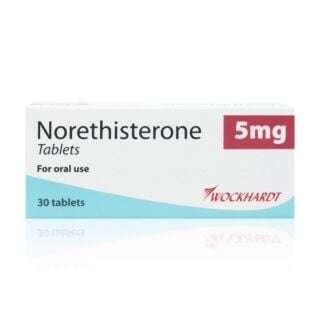
The usual dose is one 5mg tablet three times a day. Try to space them out evenly, so something like morning, afternoon, and evening works well.
Swallow each tablet whole with a glass of water. Taking it with food isn't essential, but it may help if you find that they cause any stomach upset.
How long you take norethisterone for will depend on how long you need to delay your period, and your prescriber will advise you on this. It can typically be taken for up to three to four weeks (20 days).
How to take Provera
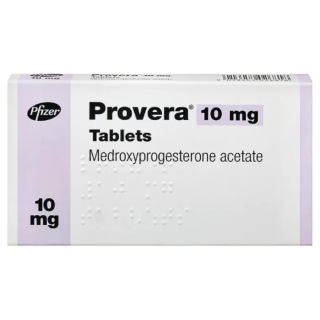
Provera tablets for period delay are usually prescribed as 10mg tablets, taken three times a day. Like norethisterone, you should start taking them three days before your period is expected to arrive.
Again, try to take them at consistent times each day, and follow the specific instructions your prescriber or pharmacist gives you.
Side effects
Like all medicines, both norethisterone and Provera can cause side effects, though not everyone will experience them. Below is a summary of the most commonly reported ones for each.
For more information, always refer to the patient information leaflet included with your treatment.
unexpected or unusual vaginal bleeding or spotting
depression
difficulty sleeping
nervousness
dizziness
hair loss
acne
nettle rash or hives
itchy skin
vaginal discharge
breast pain or tenderness
fever
tiredness
weight increase
Who shouldn't use them?
Don't take norethisterone if you:
are allergic to norethisterone or any of its ingredients
are pregnant, think you might be pregnant, or are breastfeeding
have ever had a blood clot (thrombosis), a history of thrombotic disease (heart attack or ischemic stroke), or have any condition or symptoms that put you at higher risk of one
or have any condition or symptoms that put you at higher risk of one
have liver disease, or have ever had liver tumours
have any cancer that could be made worse by female sex hormones, including breast cancer
have unexplained genital bleeding or untreated endometrial hyperplasia
have hepatitis C and are taking medicines containing ombitasvir/paritaprevir/ritonavir and dasabuvir
experienced yellowing of the skin or whole-body itching during a previous pregnancy
Don't take Provera if you:
are allergic to medroxyprogesterone acetate, similar hormone medicines, or any of its ingredients
are pregnant or think you might be pregnant
have now or have previously had breast cancer
have now or have previously had blood clots in your veins or arteries, or a history of thrombotic disease (heart attack or ischemic stroke)
have liver problems
have porphyria
Norethisterone vs Provera: which one is better for period delay?
What works well for one person might not work as well for another, and your prescriber will take your full medical history, lifestyle, and individual circumstances into account when recommending one period delay medication over the other.
How Chemist4U can help
By now, you’ll likely know how to delay your period with norethisterone or Provera. But how do you get started on the treatment?
We're here to make getting your period delay tablets as simple and convenient as possible. Just complete a short online consultation about your health and lifestyle, and if our clinicians are happy that the medication is suitable for you, we'll deliver it discreetly to your door.
Click the button below to begin your period delay consultation.
Frequently asked questions about norethisterone and Provera
Can I switch from norethisterone to Provera?
Yes, it's possible to switch, but you should always speak to your prescriber before making any changes. They'll want to understand why you're looking to switch, check that Provera is appropriate for you, and advise on the safest way to make the change.
Do you need a prescription for norethisterone and Provera?
Both norethisterone and Provera are prescription-only medicines in the UK. You can't buy them over-the-counter.
Can they be used for conditions other than period delay?
Yes, both norethisterone and Provera can be used to manage heavy, painful, irregular, or absent (just Provera) periods; PMS, and endometriosis. But this should be discussed with your GP or main healthcare provider.
How quickly do norethisterone and Provera work?
Both norethisterone and Provera get to work as soon as they're in your system. However, you need to start taking them at least three days before your period is due for them to be effective. If you leave it too late, they're unlikely to work.
Can I take norethisterone or Provera if I am on the pill?
If you're already taking the combined contraceptive pill, you may be able to delay your period by taking two packs back-to-back without a break. If you're on the mini pill (progestogen-only pill), speak to your prescriber for advice.
Are norethisterone and Provera contraceptives?
No, norethisterone and Provera aren’t contraceptives, so they won’t prevent pregnancy. If there’s a chance you could become pregnant, always use contraception, like condoms, alongside treatment.
Chemist 4 U uses cookies (and other techniques) to enhance your shopping experience.
Read more about our cookie policy, terms and conditions and privacy statement. By continuing on this site and accepting our cookies you agree to the collection of information on this basis by us and by third parties on the platform as well as direct email marketing. Please customise your cookie settings below.
Find out more about our data policies.