Norethisterone Side Effects: What You Need to Know
Norethisterone Side Effects: What You Need to Know
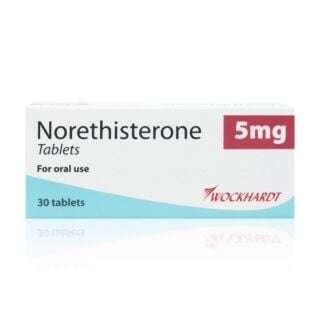
If you've been prescribed norethisterone (also sold under the brand name Utovlan) or you're thinking about taking it to delay your period, it's completely natural to want to know what to expect.
Like any medicine, norethisterone can cause side effects in some people, but understanding what they are and how to manage them can make a big difference to your treatment journey.
This guide covers everything you need to know about norethisterone side effects, from the most common symptoms to what can happen after you stop taking it.
Three key takeaways
Norethisterone is safe for most people and is very effective at delaying periods or managing period-related conditions.
Common side effects like headaches, nausea, and spotting are usually temporary and ease as your body adjusts to the treatment.
Your period will usually return within two to three days after finishing your course, and norethisterone won't affect your long-term fertility.
What is norethisterone used for?
Norethisterone is a type of medicine called progestogen, meaning it works like the natural female hormone progesterone that your body already makes. In fact, norethisterone is the only progestogen pill licensed in the UK to delay periods.
It works by keeping your progesterone levels steady, which prevents the lining of your womb from shedding and your period starting.
It's available under brand names like Utovlan and is prescribed for a range of conditions, including:
period delay (for example, around a holiday or special event)
“It’s important to note that norethisterone isn't a contraceptive, so it won't protect you from pregnancy. If there's any chance you could get pregnant, you'll need to use contraception like a condom while taking it.”
If you're wondering whether it's okay to delay or skip your period, the short answer is yes. Periods aren't medically necessary every month, and there's no health benefit to having one unless you're trying to get pregnant.
So, if you'd rather not have yours for a holiday, a big event, or just because, that's completely fine. But how do you delay your period, exactly? Unfortunately, you’re unable to do it naturally.
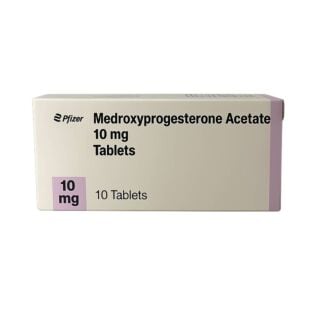
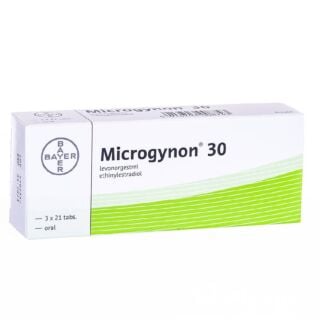
“It's essential to use an approved period delay medication, like norethisterone, medroxyprogesterone (prescribed off-label for period delay), or the combined contraceptive pill, and speak to a healthcare professional first. They'll help you find the right option for you based on your individual circumstances.
“And, if you're having any long-term issues with your periods, it’s important to discuss this with them, too. You shouldn’t take any medication to delay your period in the long-term without approval from your healthcare provider first.
“For most people, norethisterone is safe when taken as prescribed. It's been used for decades and is well understood by doctors and pharmacists.
“That said, it's not suitable for everyone, and certain medications can impact how well norethisterone works. Always tell your prescriber about any health conditions you have, in addition to any medicines you’re taking so they can determine if it’s right for you.”
Like all medicines, norethisterone can cause side effects, although not everyone gets them. Here's a breakdown of what you might experience.
Common side effects
These are the side effects that people most often notice when taking norethisterone. They’re normally mild and tend to settle down on their own, especially once you finish treatment.
Very common side effects (affecting more than one in 10 people):
vaginal bleeding, like spotting
shorter periods
Common side effects (affecting up to one in 10 people):
headaches
nausea
absent periods (amenorrhoea). For most people, it can take two or three days for your period to arrive. If it still doesn’t arrive after this time, take a pregnancy test
swelling or fluid retention, like in your hands or ankles
Less common side effects
Some people experience migraines while taking norethisterone (up to one in 100 people).
If it's your first ever migraine, or it's worse than any you've had before, stop taking norethisterone and speak to your prescriber or GP straight away for advice.
Rare side effects
Rare side effects (affecting up to one in 1,000 people):
cholestasis (where bile from the liver is reduced or blocked, leading to a build-up in the blood and liver. Causes severe itching (usually without a rash), dark wee, jaundice, and pale stools)
Not everyone will experience these, and many people take norethisterone without any issues at all. If any side effect is bothering you or doesn't go away, don't ignore it. Speak to your GP or pharmacist for advice.
Serious side effects
Serious side effects with norethisterone are rare, but it's important to know what to look out for.
Stop taking norethisterone and see a doctor straight away if you notice any symptoms of a blood clot, including:
pains in your leg(s)
swelling of your arms or legs
sharp pains in your chest
sudden shortness of breath
crushing pains or feelings of heaviness or tightness in your chest
coughing for no apparent reason
one side of your body suddenly becoming very weak or numb
having a migraine for the first time or one that is worse than normal
unusually frequent or severe headaches
sudden changes to your eyesight (like loss of vision or blurred vision)
sudden changes to your hearing, speech, sense of smell, taste, or touch
dizziness or fainting
Because norethisterone is partly converted into oestrogen in the body, the guidance around the blood clot risk is similar to that for the combined contraceptive pill.
Medroxyprogesterone could be an option if you're sensitive to oestrogens.
The risk of a blood clot is slightly higher for people taking hormonal medicines, but rest assured, this risk is still very small.
have a heart valve disorder or atrial fibrillation (irregular heartbeat)
suffer from migraines
have certain conditions like systemic lupus erythematosus (SLE), sickle cell disease, Crohn’s disease, or ulcerative colitis
If you have breast cancer, or have had it in the past, you shouldn't take norethisterone. Like the combined contraceptive pill, it slightly increases the risk of breast cancer, and this risk rises the longer you take it. However, the risk returns to normal within around 10 years of stopping.
Your risk of breast cancer is higher if you have a close relative (like a mother, sister, or grandmother) who has had it, or if you're obese (a BMI above 30).
See your GP as soon as possible if you notice any changes in your breasts, like dimpling of the skin, changes in the nipple, or any lumps you can see or feel.
How long do norethisterone side effects last?
For most people, side effects are temporary and will clear up once you stop taking norethisterone.
But as you can use the treatment for up to three weeks to delay your period, you might be wondering whether side effects will persist during this time.
Here’s more detail on what you can expect:
Changes in your cycle: Irregular bleeding or spotting is one of the most common things people notice. For most people, this settles down within a day or two. If it persists or becomes bothersome, speak to one of our pharmacists.
Headaches and nausea: These tend to show up early on in treatment and often improve within a few days to a couple of weeks as your body adjusts to the medicine. Taking norethisterone with food can help with nausea in the meantime.
Mood changes and breast tenderness: These symptoms can last for the entire duration of treatment, but for some, they may ease off, with it just taking a bit of time for your body to adjust to the hormone changes.
Serious side effects: Serious side effects like blood clots are rare, but they don't resolve on their own. If you suspect you're experiencing a serious side effect of norethisterone, stop taking it and get medical help straight away.
Long-term side effects of norethisterone
Norethisterone isn't typically taken long-term, except for conditions like endometriosis, where it may be prescribed for six months or more. However, we’re only able to prescribe norethisterone for short-term use.
If you are on a longer course, here's what to be aware of:
Cardiovascular health: There's a very small but increased risk of cardiovascular events with long-term progestogen use, including blood clots.
Hormonal effects: Because norethisterone affects your hormone levels, it can cause changes to your menstrual cycle, including irregular bleeding or missed periods. Some people also notice changes in their mood or sex drive.
Bone health: There's limited evidence directly linking norethisterone to reduced bone density, but some hormonal treatments have been associated with bone thinning over time.
Liver function: Norethisterone isn't suitable for people with certain liver conditions and, in rare cases, may affect liver function.
Cancer risk: There's some evidence to suggest that long-term use of hormone medicines may slightly increase the risk of certain hormone-related cancers, like breast cancer.
Mood and well-being: Some people experience persistent mood changes or emotional effects with prolonged use of norethisterone. If you notice your mood declining or feel like things aren't quite right, don't dismiss it. Have a conversation with one of our pharmacists or your doctor so they can help.
If you're on a longer course of norethisterone, your doctor will keep an eye on these things with regular check-ins. It's important not to take norethisterone for longer than prescribed without medical supervision.
Side effects after stopping norethisterone
“Once you stop taking norethisterone, most side effects will resolve quickly. Some people notice a short-term dip in mood or feel a bit out of sorts for a few days as their hormone levels settle, but this usually passes.
“You may also notice some irregular spotting or bleeding in the days after stopping. This is normal and nothing to worry about. It may also take a little longer for your cycle to return to its usual pattern, but this is temporary.”
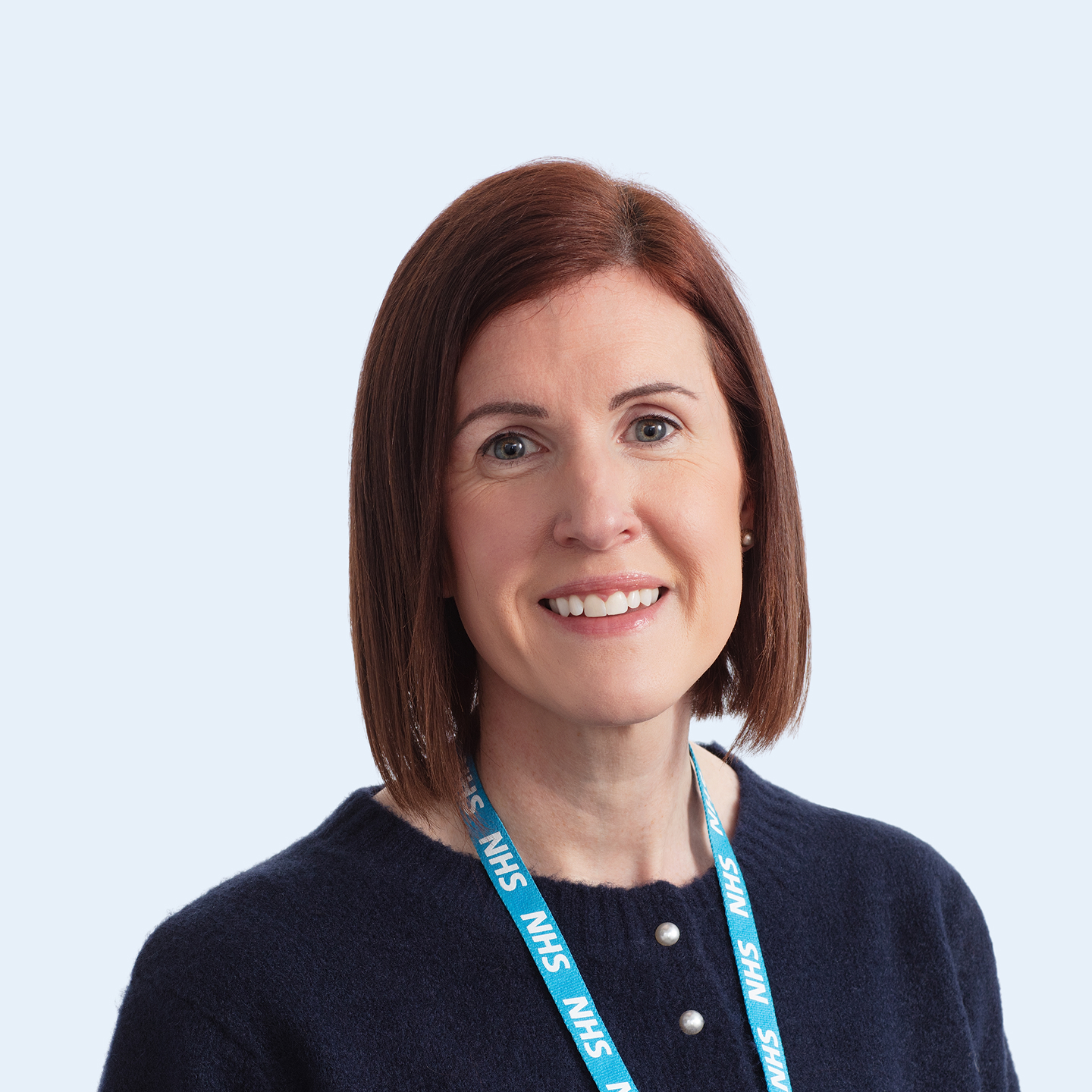
Claire Irwin, Prescribing Pharmacist at Chemist4U
How long after taking norethisterone will my period start?
Your period will usually start within two to three days of finishing your course of norethisterone. If your period doesn't arrive within a few days after this, it’s a good idea to take a pregnancy test, as norethisterone isn't a contraceptive.
How to manage the side effects of norethisterone
There are some simple things you can do to keep norethisterone side effects to a minimum:
Take it with food if you're feeling nauseous. A light snack before your tablet can make a difference.
Stay hydrated and eat a balanced diet to help with headaches and bloating.
Avoid alcohol where possible, as it can make symptoms like headaches, nausea, and fatigue worse.
Avoid grapefruit juice while taking norethisterone, as it can increase the risk of side effects like nausea, headaches, and breast tenderness.
Rest when you need to. If you're feeling tired or out of sorts, listen to your body.
Track your symptoms. Keeping a note of what you're experiencing can help your prescriber understand what's going on if things don't improve.
If a side effect is affecting your daily life or doesn't settle down, always speak to your GP or prescriber. There may be an alternative treatment that suits you better.
How Chemist4U can help
If you're wondering whether norethisterone is the right option to delay your period, simply complete a short online consultation with us. One of our expert clinicians will review it and check whether it's suitable for you before anything is prescribed or dispensed.
Or maybe you're already taking norethisterone and finding some of the side effects tricky to manage. We can help with that, too. We're not just here at the start of your treatment journey - we're here throughout, making sure everything is going smoothly and that you feel supported.
Frequently asked questions about norethisterone side effects
Does norethisterone affect fertility?
Norethisterone doesn't affect your long-term fertility. Once you stop taking it, your hormones return to what’s normal for you and your fertility isn't impacted. If you're trying to conceive, make sure you've stopped taking norethisterone first, and speak to your GP or prescriber if you have any concerns.
Does norethisterone cause weight gain?
Weight gain isn't listed as a side effect, though swelling and fluid retention are common with norethisterone, which could easily be mistaken for weight gain.
Does norethisterone cause side effects after stopping?
Some people do notice changes after stopping norethisterone, like a few days of irregular bleeding or a slight dip in mood as hormone levels readjust. These are usually short-lived.
Does norethisterone reset your cycle?
Norethisterone doesn't exactly ‘reset’ your cycle, but it can shift the timing of your period. Because your period arrives two to three days after stopping norethisterone, the date of your next period and the cycle that follows may be slightly different to your usual pattern.
Chemist 4 U uses cookies (and other techniques) to enhance your shopping experience.
Read more about our cookie policy, terms and conditions and privacy statement. By continuing on this site and accepting our cookies you agree to the collection of information on this basis by us and by third parties on the platform as well as direct email marketing. Please customise your cookie settings below.
Find out more about our data policies.