Mini Pill vs Combined Pill: Which is Right For You?
Mini Pill vs Combined Pill: Which is Right For You?
The combined and mini (POP) birth control pills are both hormonal methods of contraception taken daily. The combined pill contains oestrogen and progestogen, while the mini pill only contains progestogen.
Most people can take either the mini or combined birth control pills with no problems or side effects, and the same level of protection when it comes to preventing pregnancy.
However, individual risk factors, pre-existing health conditions, your lifestyle and, honestly, how good you are at remembering to take medication can all influence which type of pill you go for.
Our guide has everything you need to know about the combined pill and mini pill, so you can make a decision you feel confident in.
Three key takeaways
While both forms of pill have minimal side effects, the mini pill has fewer.
The mini pill is suitable for a wider range of people, as it doesn’t contain oestrogen.
Whichever form of pill you take, it’s important to remember to take it correctly. This means at the same time each day, and as directed by your clinician.
The mini (or POP) pill contains only progestogen. There are three types, which have different ingredients. These are:
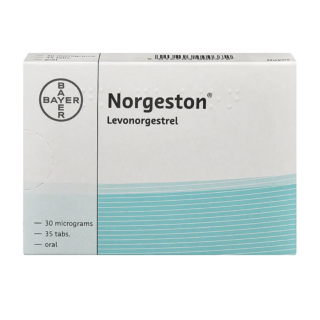
3-hour progestogen-only pill: the active ingredients in these birth control pills are norethisterone or levonorgestrel. Each pill needs to be taken within three hours of the same time every day. Brands include Norgeston and Noriday.
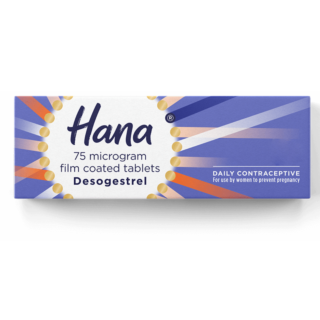
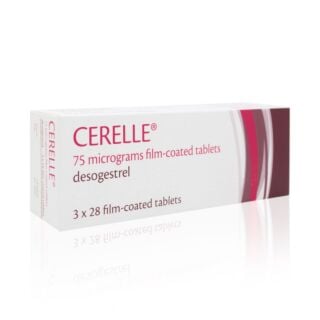
12-hour progestogen-only pill: these pills contain desogestrel. You can take this pill within 12 hours of the same time every day. Brands include Cerazette, Cerelle and Hana.
Drospirenone pills: these pills are generally given to people who find desogestrel isn’t the right fit. Brands include Slynd. Slynd has a 24-window of effectiveness, though it’s still recommended that you take it at the same time every day.
stopping your ovaries releasing eggs (if it contains desogestrel or drospirenone; older mini pills may not consisently stop ovulation)
thickening your cervical mucus to make it harder for sperm to reach an egg
thinning your womb lining to prevent any fertilised egg from implanting into your uterus.
How effective is the mini pill?
Like the combined pill, the mini pill is 99% effective when taking perfectly. However, when allowing for human error like missed pills, or sickness, that number drops to 91%.
How to take the mini pill
Whatever brand you pick, you need to take your mini pill every day. However, your exact routine depends on what kind of mini pill you have:
3-hour progestogen-only pill: should be taken within three hours of the same time every day without breaks.
12-hour progestogen-only pill: can be taken within 12 hours of the same time every day. Each pack contains 28 or 35 pills and should be taken without a break between packs.
Drospirenone pills: have a wider window of 24 hours, but should be taken at the same time every day. Each pack contains active and inactive pills, and should be taken without a break.
What to do if you miss a mini pill
No-one is perfect, and it’s easy to forget to take your pill. If you miss one, take another immediately, even if that means two pills in one day.
Your level of protection depends on how long it’s been since your missed pill:
If you miss your 3-hour progestogen-only pill by more than three hours, you are not protected. Take another pill, and continue the rest of the pack. Use condoms or a barrier method of contraception, or don’t have sex for two days.
If you miss your 12-hour progestogen-only pill by more than 12 hours, you are not protected. Take another and continue your pack as usual. For the next two days, use a barrier form of contraception or don’t have sex.
If you miss your drospirenone pill by more than 24 hours, take another as soon as you remember and use condoms for seven days. If the pill you skipped was one of the last seven active pills, skip the dummy pills and go straight to your next pack.
If you’re unsure about your level of pregnancy protection, or whether you need to use emergency protection, speak to your clinician.
Common side effects of the mini pill
Brands of the mini birth control pill differ, so side effects can vary. However, up to one in 10 people experience the following.
lighter or heavier periods
mood changes
decrease in sex drive
headache
nausea
acne
breast pain
weight change
Combined pill explained
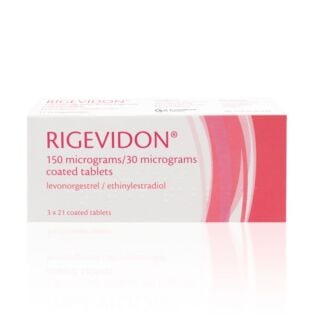
The combined pill contains synthetic oestrogen and progestogen.
There are three basic kinds of combined pills, which are taken in different ways. These are:
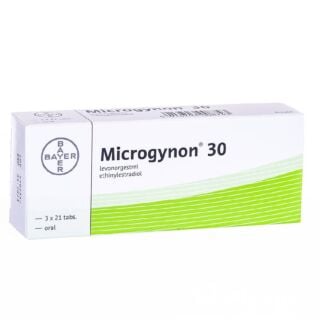
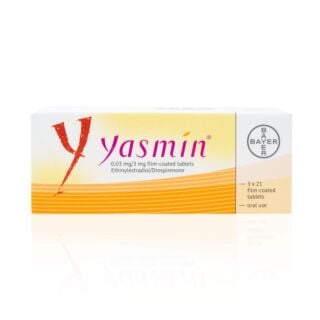
Monophasic 21-day pills: each pill contains the same amount of hormones. You take 21 pills followed by a seven-day break. Common brands include Microgynon 30, Yasmin and Lucette.
Multiphasic: each pack has two or three sections of pills in different strengths. Brands include Logynon and Synphase.
Every day (ED) pills: each pack contains 28 pills. This could be 21 active and seven dummy pills or 24 active and four inactive pills.
The combined pill prevents pregnancy in three ways:
Prevents ovulation: you stop releasing eggs each month.
Thickens cervical mucus: making it harder for sperm to reach an egg.
Thins the womb lining: to prevent any fertilised egg from implanting into your uterus.
How effective is the combined pill?
Used exactly as directed (known as perfect use), combined pills are over 99% effective.
However, 'typical use' allows for human error like missed or late pills, and illnesses such as vomiting or having diarrhoea. When this is taken into account, combined pills are 91% effective. This means every year nine users will get pregnant while on the pill.
Combined pills are taken every day. Each form of pill has a different regime.
Everyday (ED) pill should be taken every day.
21-day pills need to be taken for three weeks, followed by a one week break.
Multiphasic pills are taken in a colour-coded order, usually for 21 days, with a 7-day break.
Whichever form of combined pill you choose, it’s important to follow the instructions in the leaflet or talk to your doctor or prescriber about how to take your brand.
What to do if you miss a combined pill
If you have missed one pill, you should:
Take the last pill you missed, even if that means having two pills in one day.
Continue the pack.
Take your break as usual.
You will not have to use additional contraception. However, if your missed pill is at the start or end of your menstrual cycle, you may want to use extra protection or abstain for sex for seven days. This is because it can extend the hormone-free window and put you at a higher risk of getting pregnant.
If you’ve missed two or more pills:
Take the last pill you missed as soon as you remember.
Continue the pack.
Use additional barrier contraception, like a condom or the cap, for seven days.
If these seven days run beyond the end of the pack, you should start the next pack straight away, without a break or use of placebo pills (depending on your choice of pill).
Common side effects of the combined pill
The side effects of the combined pill can vary depending on which brand you take. However, one in 10 users experience the following.
breakthrough bleeding
headache
mood changes
migraine
nausea
vaginal discharge
Advantages and disadvantages of the combined pill vs mini pill
Combined pill
Mini pill
Potential for side effects
Side effects more likely.
Fewer side effects.
Periods
Replaces your period with a withdrawal bleed. It’s safe to take packs continuously and avoid bleeding.
Periods can become lighter or stop.
Reduces risk of some cancers
Studies show those taking the combined pill are less likely to get ovarian, uterine and bowel cancers.
There are fewer definitive studies. But some studies indicate the mini pill may decrease the risk of endometrial cancer.
Can help with acne
Yasmin or Lucette can help prevent flare-ups.
No.
Can reduce symptoms of polycystic ovary syndrome (PCOS) and endometriosis
How to choose between the combined pill and mini pill
“The best contraceptive pill for your needs depends on what you want to get out of your birth control.
“If you just want to prevent pregnancy, and don’t have any other concerns, then the combined pill and mini pill are just as effective as each other.
“But if you have specific things you’re looking for from your contraception, your choice of pill matters. For example, if you want to use it to stop your periods, the mini pill might be your best bet. However, if you’re after something that can help with acne flare-ups, specific versions of the combined pill are going to be more suitable.
“During your consultation with Chemist4U, we can answer all your questions and help you find a pill that fits with what you want beyond just preventing pregnancy.”
Chemist4U can help with your free NHS contraception, with no GP appointment needed!
Most popular oral contraceptives are available through this service, including both combined and progesterone-only (mini pill) options and emergency contraception.
To ensure your choice of birth control is right and safe for you, our clinicians require a phone call with one of our friendly pharmacists after you’ve completed the online consultation.
Frequently asked questions about the mini pill vs combined pill
Is the mini pill better than the combined pill?
Neither the mini pill or combined pill is 'better'. It just depends what you’re looking for. Factors that might influence your choice include existing health conditions, whether you smoke, how old you are, your BMI and which side effects you want to avoid. It could take a few trial runs to find the perfect contraceptive pill for you.
Who cannot use progestin-only pills?
Certain conditions, medical histories and medications might mean you shouldn’t take the mini pill. These include:
some cancers
liver diseases and conditions
blood circulation issues
pregnancy
kidney conditions
conditions that affect absorption
taking medications including drugs for HIV, TB and seizure medications
Chemist 4 U uses cookies (and other techniques) to enhance your shopping experience.
Read more about our cookie policy, terms and conditions and privacy statement. By continuing on this site and accepting our cookies you agree to the collection of information on this basis by us and by third parties on the platform as well as direct email marketing. Please customise your cookie settings below.
Find out more about our data policies.