It makes sense that, when choosing your contraception, you’re going to want the most reliable form of birth control you can find.
Well, the good news is that most methods are more than 99% effective at preventing pregnancy. The bad news? If you don’t use them correctly, that effectiveness can fall, in some cases by a lot.
Fortunately, we’re here to help you avoid some of the mistakes that might cause your choice of contraceptive to fail.
Three key takeaways
Hormonal contraception is more than 99% effective at preventing pregnancy when used exactly as directly.
The combined pill and mini pill become 91% effective when you factor in things like missed pills and inconsistent use.
St John’s Wort makes most forms of hormonal contraception less effective.
Most effective birth control methods
“When talking about the effectiveness of birth control, there are two numbers to consider: perfect use and typical use.
“Perfect use means using your contraceptive method exactly as directed, 100% of the time, with no mistakes or slip-ups. Typical use allows for human error such as missed pills, tears in the condom, late injections or patches coming loose.
“We’ve ranked the effectiveness of different forms of birth control using percentages. So 99%, for example, means that if 100 women choose that form of birth control, one will become pregnant within the first year of use.”
How effective is birth control, and what causes it to fail?
While it’s important to know how effective your chosen birth control it, it’s just as important to know what can cause it to fail. Otherwise, you might put yourself at risk of pregnancy without realising it.
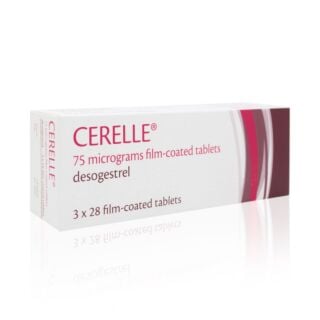
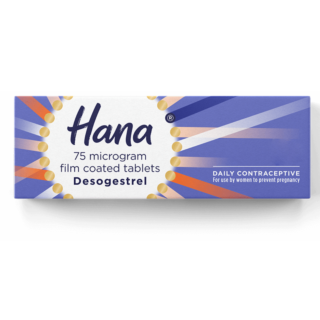
The mini pill is over 99% effective if used correctly, however that drops to 91% with human error. Popular mini pills include desogestrel, Cerelle and Hana.
What causes mini pills to fail?
The following can make your mini less effective, or cause it to fail completely:
missing a dose
starting the pill more than five days after your period begins
exposing your pills to high temperatures or direct sunlight
sickness or diarrhoea
if your BMI is over 30
some medications, like epilepsy treatments, HIV medication and TB medication, herbal remedies including St John’s Wort, and some weight loss treatments, like Mounjaro
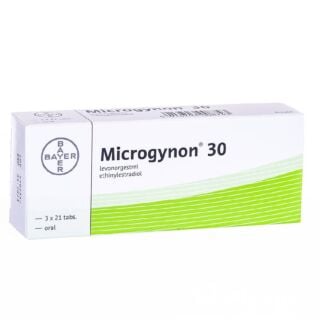
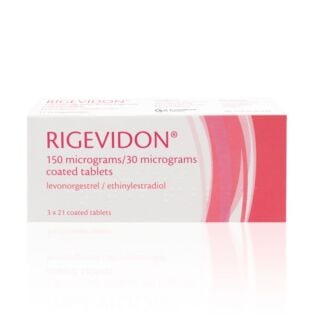
Like the mini pill, the combined pill is over 99% effective when used as directed, but 91% effective when factoring in typical use. Examples of the combined pill include Yasmin, Microgynon and Rigevidon.
What causes combined pills to fail?
The effectiveness of your combined pill may be reduced if:
you miss a dose
you fail to store your pills correctly
you have sickness or diarrhoea after taking your pill
your BMI is over 30
you take epilepsy treatments, HIV medication and TB medication, herbal remedies including St John’s Wort, and some weight loss treatments, like Mounjaro
Implants are part of the Long-Acting Reversible Contraceptives (LARCs) group. This form of contraception is over 99% in both perfect and typical use, as they remove the potential for everyday errors such as forgetting pills or putting on a condom too late.
Inserted under your skin by a doctor, implants work for three years before needing to be replaced.
What causes contraceptive implants to fail?
There’s a small chance of failure due to improper insertion or, very rarely, because the device pushes out from under your skin.
Certain drugs such as epilepsy, HIV medications or some antibiotics, herbal remedies such as St John’s Wort can also affect the success rate of your implant.
Intrauterine device or copper coil (IUD)
Inserted directly into your womb, IUDs are also part of the LARCs group, making them 99% effective. Unlike other forms of birth control, the IUD can also be used as an emergency contraceptive and is again over 99% effective.
What causes IUDs to fail?
One in 20 IUDs fall out or are pushed out of the womb, usually within the first few months of insertion. Very rarely (a 1-2 in 1000 chance) an IUD can go through the wall of your womb.
Intrauterine device or hormonal coil (IUS)
IUSs also remove the chance of human error and, as part of the LARC group, are over 99% effective.
What causes an IUS to fail?
There is a one in 20 risk in the first few months of your IUS falling out of the womb, or being incorrectly positioned. So, there is a small chance you may need to have your IUS reinserted or repositioned.
Contraceptive injection
The contraceptive injection (Depo-Provera) is part of the LARC family, and is 99% effetive in perfect use. However, unlike other LARC methods of birth control, since the injection is given every eight to 13 weeks, human error can cause typical use effectiveness to fall to 94%.
What causes the contraceptive injection to fail?
Your contraceptive injection may fail if you get your injection late. This could be because you missed your appointment, or forget to book one in the first place. In fact,six in 100 women will get pregnant in one year if their injections are delayed.
Certain drugs can also affect the way the injection works. These include TB, HIV and anti-seizure medications and herbal remedies such as St John’s Wort. The injection can also be less effective if it’s not given correctly.
Contraceptive patch
With perfect use, the patch has a success rate of 99%. However, with typical usage, it’s around 91%.
What causes the contraceptive patch to fail?
The patch shouldn’t be applied to dirty or oily skin, and should be worn in the correct place on your body. It’s also less effective if you are over 90kg.
As the patch is hormone-based, certain medications, like some antibiotics, anti-epileptic drugs or the herbal remedy St John’s Wort, can affect how it works.
The patch can also come off, or you might forget to change it on your scheduled day. If you notice it’s been detached for more than 24 hours, you should use a back-up method of barrier contraception, like a condom.
Vaginal ring
The vaginal ring contains two hormones: oestrogen and progestogen. If used perfectly, it’s over 99% effective. However, since you replace it every four weeks, typical use effectiveness is 91%
What causes the vaginal ring to fail?
If you forget to put a new ring in on time, or if it comes out and isn't reinserted within three hours, the success rate can fall. The ring can also come out when you’re having sex, using a tampon or going to the toilet.
Diaphragm or cap
Diaphragms are 92-96% effective if used perfectly. However, user error can reduce that to 84%.
What causes the cap to fail?
The following can cause your diaphragm or cap to fail:
if you forget to use spermacide as well
if it’s fitted incorrectly, or dislogded (if you lose weight, you should have your diaphragm refitted)
if it has become damaged or degraded, especially if you use oil-based products like Vaseline during sex
Condoms
If used correctly, condoms are 98% effective. However, they suffer one of the biggest drops when taking into account typical use, becoming only 82% effective at preventing pregnancy
What causes condoms to fail?
It might sound obvious, but learning how to put a condom on before use can save you trouble down the line. Make sure it’s unrolled properly, and there’s no air in the top. And be careful with long fingernails – you don’t want a tear!
Storing your condoms in a hot or humid environment, can also weaken the latex. And always check the expiration date! Internal (female) condoms
Like more traditional condoms, female condoms see a step drop in effectiveness between perfect and typical use, from 95% to 79%.
What causes internal condoms to fail?
You need to make sure that you’ve inserted an internal condom before the penis has touched the vagina. And since there’s a risk that female condoms can split and move out of place, it’s important to make sure that the penis enters the vagina inside the condom.
Oil-based lubricants can cause the latex condoms to break, and condoms that are stored incorrectly or are expired split more easily. And be aware that long fingernails and sharp jewellery can be a tear risk.
Fertility awareness method (FAM)
With perfect use, FAM or natural family planning can be 91-99% effective. However, with typical use, that falls to about 76%.
What causes fertility awareness method to fail?
Natural family planning is dependent on you interpreting the physical signs your body is giving you, and using a calendar to predict the most fertile window of your cycle. During your fertile days, you need to use a barrier method of contraception to avoid pregnancy, such as the cap or condoms. Alternatively, you can avoid sex during that period.
Factors that can cause FAM to fail include irregular cycles, stress, illness, inexperience or misinterpretation and having unprotected sex during the highest risk point of your cycle.
How effective is permanent birth control?
You might be at the stage in your life where you want more permanent pregnancy prevention. In that case, you might want to consider a vasectomy or tubal ligation.
Male sterilisation (vasectomy)
Male sterilisation is very effective (99.85%), but can still fail in some cases.
What causes male sterilisation to fail?
After you’ve had a vasectomy, it’s important to use barrier methods (condoms or the cap) until your doctor has tested and confirmed there is no sperm in your semen.
Early failures are usually resolved after repeat testing. However, there is a very small chance (0.04-0.08%) that tiny tubes can reform and create a new connection, or that the doctor might make an error.
Female sterilisation (tubal ligation)
Female sterilisation is a permanent contraceptive solution and over 99% effective. However, there is a small chance of failure, mainly dependent on surgical technique or age. This is because, younger women have slightly higher failure rates.
What causes female sterilisation to fail?
There are different methods of female sterilisation. If your surgeon uses clips there is a one in 333 chance they might fail, falling to one in 500 over time. If you choose tubal ligation (tying your fallopian tubes) there’s a one in 200 chance of failure. A tube removal is more effective. Very rarely, tubes can reconnect (tubal regeneration).
How reliable is emergency contraception?
The effectiveness of emergency contraception, or the morning-after pill, depends on a number of factors including how long after sex you take the pill, the brand of pill, and your BMI.
Chemist4U can help with your free NHS contraception – no GP appointment needed! Most popular oral contraceptives are available through this service, including both combined and progesterone-only (mini pill) options, and emergency contraception.
As a registered UK online pharmacy, we’re held to the same high standards as your local chemist.
So, to help you find the best contraceptive pill for your individual needs, we require a phone call with one of our friendly clinicians after you’ve completed our online consultation.
Frequently asked questions about birth control reliability
How can I tell if my birth control is working?
Unfortunately, there is no guaranteed signal that your birth control is working. The only sign is that there is no pregnancy. However, if you are taking the pill, you may notice that your periods are lighter, that symptoms associated with your period such as mood swings and headaches might reduce and that any acne might improve.
How likely am I to get pregnant on birth control?
The likelihood of getting pregnant varies with each method. But if you follow the instructions that come with your birth control, especially around timings and usage, most methods of contraception are over 99% effective.
What birth control is 100% safe?
Aside from abstinence (having no sex), no birth control is 100% safe. However, female sterilisation and male vasectomies are the most effective forms.
Chemist 4 U uses cookies (and other techniques) to enhance your shopping experience.
Read more about our cookie policy, terms and conditions and privacy statement. By continuing on this site and accepting our cookies you agree to the collection of information on this basis by us and by third parties on the platform as well as direct email marketing. Please customise your cookie settings below.
Find out more about our data policies.