If you’ve had unprotected sex or your contraception has failed, you’re going to want to know how effective the morning after pill is at stopping pregnancy.
How well it works depends on a few factors: your weight and current medication, when you take it, and which type you use.
Below we explain everything you need to know about emergency contraception to give you peace of mind.
Three key takeaways
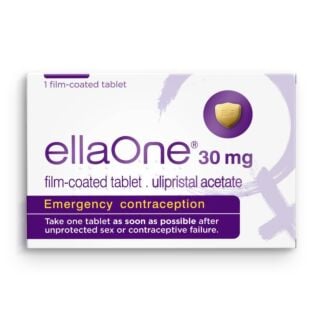
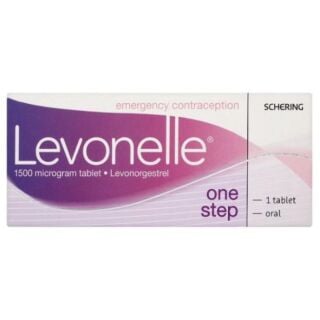
There are two morning after pills: ellaOne and levongestrel (Levonelle), in addition to an emergency IUD (copper coil) which is inserted into the cervix.
If taken correctly, ellaOne is 98-99% effective, levongestrel is 95%, and the emergency IUD is over 99%.
Your weight, certain medications, when you’ve taken it, when you ovulated, or if you’ve been sick, can all impact how effective the morning after pill is.
Effectiveness of emergency contraception compared
Type
How long after sex
Effectiveness
ellaOne
Up to five days (120 hours), but best taken immediately
98-99% effective if taken within 24 hours
Levonelle/Levongestrel
Up to three days (72 hours), but best taken immediately
About 95% effective if taken within 24 hours; 85% after 25-48 hours, and 58% after 49-72 hours
Emergency IUD/Copper coil
Up to five days (120 hours), and can be left in as a form of contraception
ellaOne contains ulipristal acetate, which blocks the hormone that triggers ovulation. Meanwhile, Levonelle contains levonorgestrel, a synthetic hormone that also delays ovulation.
The emergency IUD or copper coil contains copper and works differently from the morning after pill by preventing a fertilised egg from implanting.
How do you know if the morning after pill has worked?
“The only way to know if the morning after pill has worked is when your period arrives. It might come early, on time, or a few days late, which are all normal after taking emergency contraception.
“However, if your period is more than a week late, you should take a pregnancy test. You should also take a test 21 days after you last had unprotected sex.
“Some people experience side effects like nausea or headaches after taking the morning after pill, but these aren’t signs that it’s worked. It’s just your body responding to the pill’s hormones.”
Emergency contraception is very effective at preventing pregnancy, but how well it works depends on which type you use and when you take it after unprotected sex.
ellaOne
ellaOne is around 98-99% effective when taken within 24 hours of unprotected sex. It can be taken up to five days after, but its effectiveness decreases the longer you wait.
Levonelle
Levonelle is less effective than ellaOne. It's around 95% effective if taken within the first 24 hours after unprotected sex, but this drops to around 85% between 25-48 hours and 58% between 49-72 hours. You need to take it within three days to prevent pregnancy.
The emergency IUD is the most effective option at over 99%. It can be fitted up to five days after unprotected sex and provides immediate protection. As a bonus, it can stay in as ongoing contraception for between 5-10 years, depending on the type.
However, it requires a GP or clinic appointment to be fitted, so it's not as quick or convenient as taking a pill.
How long is the morning after pill effective?
“The morning after pill needs to be taken as soon as possible after unprotected sex for the best chance of preventing pregnancy. ellaOne can be taken up to five days after unprotected sex, while Levonelle must be taken within three days.
“However, both pills become less effective the longer you wait, so don’t delay. The sooner you take emergency contraception, the better it works. If you forget and you’re still within the time window, still take it, but the earlier the better.
“Like ellaOne, the emergency IUD can also be fitted up to five days after unprotected sex and remains over 99% effective throughout this time. This makes it one of the most reliable methods if you’re approaching the time limit.”
Claire Irwin, Prescribing Pharmacist at Chemist4U
What causes the morning after pill to fail?
While the morning after pill is highly effective if taken correctly, there are a few factors that can reduce how well it works, like:
If you’ve already ovulated. The pill works by preventing or delaying ovulation, so if you’ve already ovulated before taking it, it won’t be effective.
Vomiting. If you vomit within three hours of taking it, the pill may not be fully absorbed, and you may need another dose.
If you’re taking certain medications. Some medications, like epilepsy treatments, St John’s Wort, and antibiotics, can reduce how effective the morning after pill is.
How often can you take the morning after pill?
“You can take the morning after pill more than once – even within the same cycle if needed. But it’s designed for occasional emergency use and shouldn’t replace regular contraception, like the contraceptive pill.
“Each pill only protects you against one incident of unprotected sex, so if you have unprotected sex again after taking it, you may need another dose.
“If you find yourself needing emergency contraception multiple times, especially in the same cycle, it’s worth speaking to your pharmacist or GP about more reliable contraception options.”
Getting started is simple: just answer a couple of questions about when you need the medication and whether you’re currently using contraception, then book a call with one of our clinicians at a time that suits you.
If suitable, your pill will be delivered the very next day, quickly and discreetly. If we think you need it sooner, don’t worry – we'll point you in the right direction of your nearest pharmacy for same-day collection.
Click the button below to access your free morning after pill with Chemist4U.
Frequently asked questions about the morning after pill
Can you get pregnant after taking the morning after pill?
While the morning after pill is highly effective, it’s not 100% guaranteed. There’s still a small chance of pregnancy, especially if you’ve already ovulated before taking it or you take it later in the time window.
But it’s important to note that it won’t affect your fertility in the long run. Once it’s out of your system, your ability to get pregnant returns to normal.
Does the morning after pill work if you're ovulating?
No, the morning after pill works by preventing or delaying ovulation. If you’ve already ovulated before taking it, there’s no egg release to stop, so it won’t be effective.
Can you drink after taking the morning after pill?
Drinking alcohol won’t affect how well the morning after pill works. But drinking alcohol can make you feel nauseous, which is already a side effect of the pill. If you vomit within three hours of taking it, it may not be absorbed, making it ineffective.
Does the morning after pill protect you from STIs?
The morning after pill only protects you against pregnancy. Only condoms can protect you against both pregnancy and STIs.
What are the side effects of the morning after pill?
Common side effects of the morning after pill include headaches, nausea, and period-like pain and cramping.
Chemist 4 U uses cookies (and other techniques) to enhance your shopping experience.
Read more about our cookie policy, terms and conditions and privacy statement. By continuing on this site and accepting our cookies you agree to the collection of information on this basis by us and by third parties on the platform as well as direct email marketing. Please customise your cookie settings below.
Find out more about our data policies.