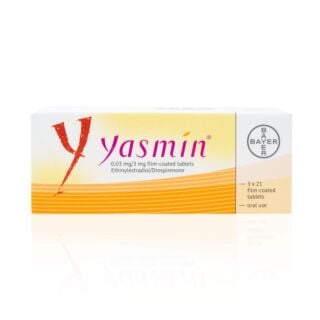
There’s a reason why the contraceptive pill is so popular: its benefits often go far beyond birth control. It can help to regulate your cycle, reduce period pain, clear your skin, and even lower your risk of certain health conditions.
However, like all products, it isn't suitable for everyone, and you'd need to remember to take it at the same time each day for it to be effective.
We're here to talk you through the potential pros and cons of taking the pill so you can make an informed decision about your choice of contraception.
Three key takeaways
The contraceptive pill is over 99% effective when taken correctly and can help ease period pain, reduce PMS, clear up acne, and even lower the risk of certain cancers.
Side effects and suitability vary from person-to-person, so getting the right advice before you start is important.
“Whether you choose the combined pill or themini pill will depend on your medical history and personal preference. One isn't necessarily better than the other, so you should choose the best contraceptive pill for your body and needs.
“If you're breastfeeding, for example, the mini pill should be safe for you to use, while the combined pill will not.
“If, however, you're taking the pill to have more control over your periods, the combined pill would be a better option, providing it's safe for you.”
There are plenty of benefits to taking the contraceptive pill. However, certain benefits will depend on whether you’re taking the combined or mini pill.
1. It's extremely good at preventing pregnancy
When taken correctly, both the combined and progestogen-only pills are over 99% effective at preventing pregnancy.
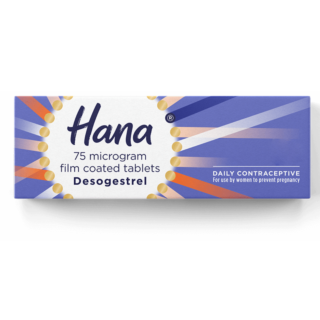
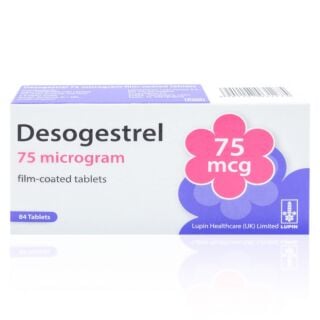
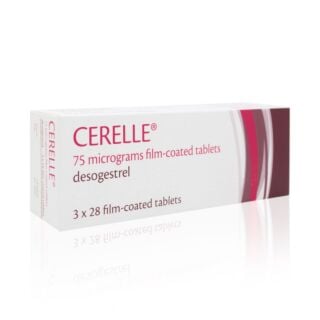
The mini pill contains only a progestogen, which works by preventing the sperm cells from entering the womb. If the active ingredient in your mini pill is desogestrel, this has an extra layer of protection with the capability to prevent the egg from ripening.
The combined pill contains an oestrogen as well as a progestogen, which work together in three ways:
preventing the release of an egg from your ovaries
preventing the lining of your womb from becoming thick enough for an egg to grow.
making the fluid in your cervix thicker and therefore more difficult for sperm to get through into the womb
Whichever type of pill you choose, they're both highly effective methods of contraception, as long as you take them as instructed in the patient information leaflet.
2. It doesn't interrupt sex
While condoms are absolutely vital for preventing sexually transmitted infections (STIs), they can have their drawbacks.
The pill can be ideal if you're in a long-term relationship, and both of you have tested negative for STIs. When taken correctly, it's even slightly more effective than condoms at preventing pregnancy.
Always remember, though, that the pill will not protect you against any STIs like chlamydia, herpes, and HIV. So you should definitely keep a condom handy, particularly if you're meeting someone new.
3. It can make your periods lighter and less painful
If you're one of the many people who suffer from intense period pain, taking the contraceptive pill may help to reduce your discomfort.
The pill can prevent ovulation, meaning your uterus shouldn't contract and cause painful cramps.
The 'period' that you experience on the pill isn't the same as a menstrual period. It's called withdrawal or breakthrough bleeding, and it usually isn't as heavy or painful as a regular period.
4. It can help to prevent anaemia
As the contraceptive pill can make your periods lighter, it may, in turn, reduce your risk of iron deficiency anaemia.
Anaemia is a common problem in menstruating people, particularly for those with very heavy periods. This is because too much blood can be lost through heavy periods, leading to a reduced number of red blood cells.
If you're someone who suffers from heavy periods and you also experience tiredness, a lack of energy, shortness of breath, pale skin, and heart palpitations, you should speak to your GP so they can check for anaemia.
If you are anaemic, taking the contraceptive pill may help to reduce further blood loss.
5. It can reduce the symptoms of PMS
As well as making your periods lighter and less painful, the contraceptive pill can relieve symptoms of premenstrual syndrome (PMS).
PMS refers to the symptoms that usually occur in the weeks or days leading up to a period like mood swings, tiredness, stomach ache, and breast tenderness.
The pill can also reduce premenstrual dysphoric disorder (PMDD), a severe type of PMS that causes worsened emotional symptoms like feeling anxious, upset, hopeless, or overwhelmed.
While taking the pill doesn't guarantee your PMS or PMDD will disappear, it does help many people and can be worth a try.
6. It can be used to skip a period
The combined contraceptive pill is usually taken for 21 days with a seven-day break where you would experience a period (withdrawal bleed).
If you've got a holiday or special event coming up that happens to coincide with that seven-day break, you're able to skip that break and start your new strip of pills straight away.
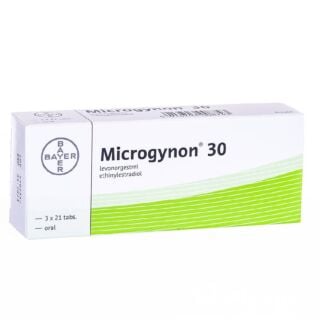
Every day (ED) pills, like Microgynon 30, include seven inactive pills and work the same way. You'll just have to skip the inactive pills and start taking the active pills straight away.
This will not affect how they work as contraceptives – they will still prevent pregnancy with the same efficacy.
It can be more difficult to skip your period if you take a phasic 21-day pill where the mix of hormones in each pill is different. You'll need to speak to your GP or pharmacist to make sure you're taking the pills in the correct order.
Always speak to your GP before taking more than two packs without a break.
Take note: if you choose to take a mini pill (progestogen-only), you won't be able to skip your period.
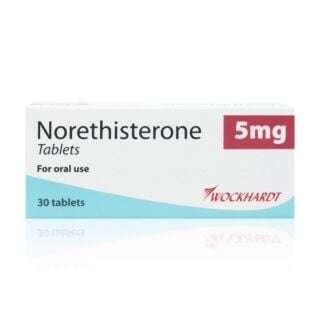
If you’re looking for a way to delay your period and you’re unable to take the combined pill, a period delay treatment like norethisterone could be an option.
Simply complete a consultation with us, and one of our clinicians will determine if it’s suitable for you.
Another benefit of the combined contraceptive pill is the potential reduction of acne. Severe acne is often caused by hormonal changes, so when you use the contraceptive pill to minimise these changes, your skin may start to clear up.
Make sure to speak to your GP about your acne before trying the contraceptive pill to clear it up, as they'll be able to help you choose the right one.
You should be aware that progestogen-only pills won't help to clear acne. In fact, these types of pills could make it worse.
Ovarian cysts can sound scary, but they're quite common in those with natural monthly periods.
When the ovaries release an egg every month, the egg forms as a follicle that contains fluid to protect the egg as it grows, bursting when the egg is released. Sometimes, though, the follicle doesn't release an egg, or it doesn't discharge its fluid and shrink after the egg is released.
That can lead to the follicle swelling and becoming a 'functional cyst' which, while harmless, can cause symptoms such as pelvic pain.
As most contraceptive pills prevent ovulation, they can help to prevent ovarian cysts from forming in the first place.
Endometriosis is a very painful condition where tissue similar to the lining of the womb starts to grow in other places, like the ovaries and fallopian tubes.
The symptoms include pelvic pain, severe period pain, heavy periods, pain during sex, gastrointestinal problems, and difficulty getting pregnant.
While there isn't a cure for endometriosis, it can be managed with treatment options, including the combined contraceptive pill.
The combined pill helps endometriosis by preventing ovulation and causing the lining of the uterus to become thinner.
10. It can lower the risk of certain cancers
Evidence suggests that taking the combined pill can lower the risk of ovarian and womb cancer. The longer someone takes the combined pill, the lower the risk of developing these types of cancer. And this reduced risk lasts for years after stopping the pill.
Because fewer people take the mini pill (progestogen-only), there is less evidence around its effect on the risk of cancer.
11. The accessibility of the contraceptive pill
The contraceptive pill is free on the NHS and very accessible.
Whether you choose to get the contraceptive pill through your GP, sexual health clinic, or pharmacy (via the Free NHS Contraception Service), there are multiple options, helping to free up capacity in primary care and sexual health clinics (or similar facilities).
There are some downsides to be aware of when taking the pill. These can range from minor issues like headaches and mood swings to more serious risks like blood clots or an increased risk of certain types of cancer.
Remember, the specific drawbacks can vary depending on the type of pill you're on, and whether it's combined or progestogen-only. It's important to consider these factors when deciding if the pill is the right choice for you.
1. It can cause irregular vaginal bleeding
One downside of the contraceptive pill is irregular vaginal bleeding.
This means bleeding or spotting at unexpected times outside your usual period. It often happens when starting a new pill or changing doses, though it usually gets better with time.
While everyone's experience is different, these symptoms often stem from the hormonal changes caused by the pill. If you're dealing with them, it's likely due to how the pill affects you.
If you suffer from migraines, some contraceptive pills can make these attacks more frequent or worse, whereas some can improve them. It's all about finding the right pill that agrees with your body.
3. Sore and tender breasts from the contraceptive pill
Sore and tender breasts happen due to the hormonal adjustments triggered by the pill. While uncomfortable, this side effect is typically temporary and tends to improve over time as your body adjusts to the medication.
4. Changes to your skin from the pill
While some types of contraceptive pills can help to improve acne, some can make it worse. The hormones in the pill, like oestrogen and progesterone, can affect your skin. They may increase oil production, leading to acne, or alter pigmentation and texture.
Acne is more common in the progestogen-only pill as a lack of oestrogen can sometimes result in elevated levels of androgens, leading to the possibility of hormonal acne. Hormonal acne typically appears on the chin, jawline, and lower cheeks.
5. Mood swings caused by the contraceptive pill
The hormonal changes caused by the pill, particularly fluctuations in oestrogen and progesterone levels, can affect neurotransmitters in the brain. This can potentially lead to shifts in mood, like depression and anxiety.
6. Remembering to take your pill on time can be difficult
One drawback of the contraceptive pill is that you have to remember to take it at the same time every day.
This can be a hassle, especially if you're busy or tend to forget things easily. Plus, missing a pill can increase the chance of unexpected bleeding or getting pregnant. So, while the pill can be effective, keeping up with it can sometimes be a bit tricky!
7. Potential serious side effects
The contraceptive pill, while generally safe for most users, does carry some potential serious side effects. These can include an increased risk of blood clots, particularly in the legs or lungs, which can be life-threatening if not promptly treated.
Additionally, some individuals may experience elevated blood pressure or develop cardiovascular issues while on the pill.
There's also a rare but serious risk of liver problems or certain types of cancer, such as breast or cervical cancer, although the overall risk is generally low.
“It's important for individuals considering the pill to be aware of these potential complications and to discuss any concerns with their healthcare provider before starting the medication.
“Regular check-ups and monitoring can help prevent these risks and ensure the pill remains a safe option for contraception.”
Claire Irwin, Prescribing Pharmacist at Chemist4U
Free NHS contraception with Chemist4U
At Chemist4U, we believe finding the right contraceptive pill should be simple, safe, and personal. After completing your online consultation, one of our expert clinicians will give you a quick call to make sure your choice is suited to you.
And thanks to our partnership with the Free NHS Contraception Service, you can access the care you need, completely free of charge.
Frequently asked questions about the contraceptive pill
Can the pill cause diarrhoea?
The pill can cause diarrhoea for some people, but it's more likely for diarrhoea to impact the pill's absorption, making it less effective. If you're ill within a few hours of taking it, treat it like a missed pill and use extra protection.
Can the pill cause thrush?
Hormonal changes from the pill can throw off your body's natural balance, making thrush more likely. If it keeps coming back since starting the pill, talk to your clinician for advice.
Which contraceptive pill has the fewest side effects?
It's different for everyone, so there's no single answer. That's why we include a call with one of our clinicians as part of the process. They'll help find the option that's most likely to work for your body.
Chemist 4 U uses cookies (and other techniques) to enhance your shopping experience.
Read more about our cookie policy, terms and conditions and privacy statement. By continuing on this site and accepting our cookies you agree to the collection of information on this basis by us and by third parties on the platform as well as direct email marketing. Please customise your cookie settings below.
Find out more about our data policies.