Finding the right contraceptive pill for your body can sometimes feel like trying to find a good pair of jeans—impossible. There isn’t a one-size-fits-all option. We’re all made differently, and we all have our own health requirements.
Which pill is better for acne or heavy periods? What should you choose if you’re over-40? Whether it’s the combined pill, the mini pill, or a specific brand, we’ll break down the best contraceptive pill for your individual needs.
Three key takeaways
Most of the time, there isn’t a specific brand of pill that’s better. It's the type of pill (combined or mini) that makes a difference, as they contain different hormones.
Not every contraceptive pill is suitable for everyone, and it can sometimes take trial and error before you find one that works for you.
You can get your regular contraceptive pill or start a new one with us today through the NHS Free Contraception Service.
The best option for one person might not be the best option for another. To put it simply, the best contraceptive pill is entirely subjective. To give you an idea of what to expect, we’ve compared the combined and mini pill down below.
Thickens cervical mucus, thins womb lining, some stop ovulation
Effectiveness
Over 99%, if used correctly
Over 99%, if used correctly
Directions
Taken daily, at the same time. After 21 days, stop for a seven-day, pill-free break
Take daily at the same time, continuously with no break
Common side effects
Breakthrough bleeding, headaches, nausea, breast tenderness, mood changes
Breakthrough bleeding, headaches, acne, breast tenderness, mood changes
Suitable for
Most people under 35 who don’t smoke
Those who can’t take oestrogen, smokers over 35, if you’re breastfeeding, or have a higher BMI (over 30)
Best contraceptive pill for acne
In general, the combined pill is the better choice if you’re struggling with acne, especially if it’s hormone-related (characterised by spots on the lower cheeks, chin, and jawline).
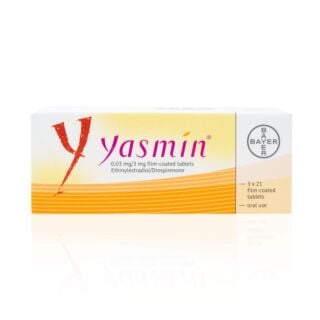
This is because oestrogen helps to regulate hormones and reduce oil production on your skin. Combined pills containing drospirenone, like Yasmin, can be beneficial as they contain drospirenone, which has an anti-androgen effect, helping to reduce breakouts.
There’s no contraceptive pill that can cause actual weight loss. However, the combined pill Yasmin acts as a mild diuretic, helping to reduce bloating and water retention, which can sometimes be mistaken for weight gain.
Although it might make you feel less puffy, especially compared to other pills that cause water retention, it’s not the same as losing fat. Remember, if you have a BMI of 30 or above, the combined contraceptive pill isn’t usually recommended.
What’s the best contraceptive pill for migraines?
“If you get migraines with aura (visual disturbances like flashing lights before the headache), the mini pill is your best choice. This is because there’s a rare, but increased, risk of stroke with the combined pill.
“The combined pill may help with menstrual migraines without aura by stabilising hormonal changes (like the drop in oestrogen during your cycle), though it can worsen them for some. If you have any vascular risk factors or history of migraine, the mini pill is usually the better option.”
Which contraceptive pill is better for anxiety and depression?
Both the combined and mini pill can cause mood changes due to the hormonal shifts your body goes through when you start taking them. For those who already experience anxiety or depression, the pill may worsen symptoms.
However, everyone responds differently: some people may notice their mood improves, others may find it worsens, and many experience no change at all.
The good news is that any mood-related side effects of the contraceptive pill typically settle within the first three months as your body adjusts to the new hormones.
Of course, if you’re still experiencing a negative change in mood after this time, or the change is severe, speak to your GP or prescriber for advice. They may be able to recommend a different pill or another type of contraception.
Which contraceptive pill is best for endometriosis or heavy periods?
The combined and mini pill can be helpful in managing symptoms of endometriosis or heavy periods by making them lighter and less painful. You take the mini pill back-to-back without a break (you can skip the seven-day break with the combined pill, too, if advised), and periods stop altogether.
“For people over 40, the mini pill is often the preferred choice because it doesn’t contain oestrogen. This makes it suitable if you smoke, have migraines, or high blood pressure, and it can be taken until the age of 55 (if menopause hasn’t started).
“If you’re healthy and don’t smoke, the combined pill can be taken until around the age of 50. Your GP or prescriber will assess your personal health and risk factors to determine which pill is best for you.”
Claire Irwin, Prescribing Pharmacist at Chemist4U
Which contraceptive pill is best for PCOS?
The best choice for managing polycystic ovary syndrome (PCOS) is the combined pill, as it helps to balance out the hormones causing your symptoms. PCOS typically involves higher levels of testosterone, which can lead to irregular periods, excess hair growth, and acne.
The combined pill works by increasing your oestrogen levels and decreasing the amount of testosterone your body produces. This helps to regulate your periods and help to reduce the amount of excess hair growth and acne.
While the pill won’t cure PCOS, it can help with its symptoms and get your cycle back on track.
Best contraceptive pill for PMS or PMDD: Yasmin, Lucette, or Eloine
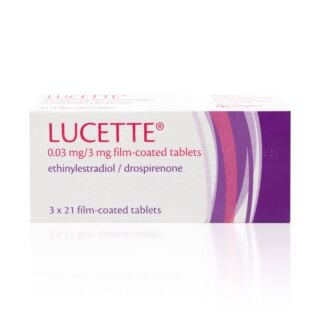
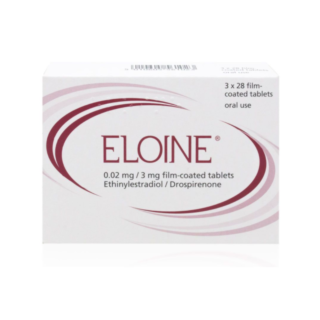
“If you suffer from premenstrual syndrome (PMS) or premenstrual dysphoric disorder (PMDD), the combined pill is usually recommended as it helps to regulate oestrogen levels in your system. Studies suggest that pills containing drospirenone—like Yasmin, Lucette, or Eloine—combined with a low dose of oestrogen work particularly well for easing PMS and PMDD symptoms.
“Your prescriber may suggest taking the pill continuously with shorter breaks or no breaks at all, which can further help to manage symptoms.
“It’s important to remember that everyone will react differently. While many find relief with the pill, some notice no improvement or even find their PMS or PMDD symptoms worsen.”
The effect of both pills on sex drive is unpredictable and varies from person to person. Some people notice an increase in libido, whereas others experience a decrease. If you notice changes after starting the pill, give it three months to see if things settle as your body adjusts.
Which is the best contraceptive pill to stop your periods?
The combined pill gives you more control over your periods. For example, your period may be lighter, and you can skip your period by taking another pack back-to-back. With the mini pill, some people’s periods stop altogether, others become lighter or irregular, while some can experience heavier bleeding.
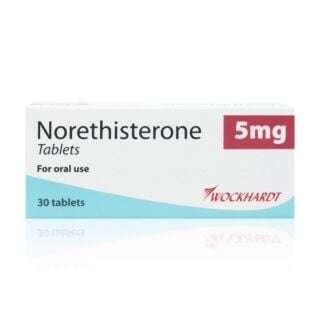
If you’re looking to delay your period for a specific occasion, like a holiday or event, you could consider norethisterone, a tablet specifically designed for period delay.
However, if you’re already taking the contraceptive pill, you should discuss your options with your GP.
Which is the best contraceptive pill for breastfeeding mothers?
“If you’re breastfeeding, you can take the mini pill straight away after the birth, whereas you can only take the combined pill six weeks after giving birth if breastfeeding, or three weeks after if not.
“However, the mini pill is usually recommended for breastfeeding mothers due to oestrogen in the combined pill potentially reducing the supply and quality of your breastmilk.”
Claire Irwin, Prescribing Pharmacist at Chemist4U
Free contraception with Chemist4U
Whichever pill is right for your body, getting access to it shouldn’t be complicated.
That’s why we’re proud to offer the NHS Free Contraception Service, so you can get your regular pill or start a new one, completely free, all from the convenience of your own home.
Simply complete an online consultation, and one of our clinicians will arrange a phone call to make sure it's the right choice for you. It's also the perfect opportunity to ask any questions.
Once you're both happy, we'll deliver your prescription quickly and discreetly to your door.
Ready to get started? Click the button below to get your free contraceptive pill with Chemist4U.
Neither is ‘better’, as it depends on your personal health, circumstances, and preference. The mini pill is ideal if you can't take oestrogen, but it requires strict timing and can make periods unpredictable.
The combined pill offers better period control and, in some cases, can help with acne, but it's not suitable for everyone. It might take some time to find the right option for you, and that's completely normal.
Chemist 4 U uses cookies (and other techniques) to enhance your shopping experience.
Read more about our cookie policy, terms and conditions and privacy statement. By continuing on this site and accepting our cookies you agree to the collection of information on this basis by us and by third parties on the platform as well as direct email marketing. Please customise your cookie settings below.
Find out more about our data policies.