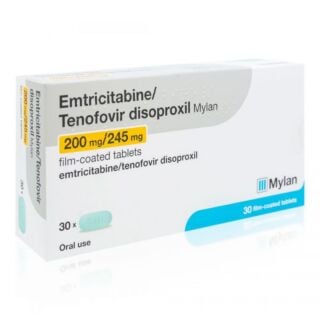
PrEP (pre-exposure prophylaxis) is a type of medicine used to prevent the spread of HIV. Currently, there are a few different ways you can take the treatment, including oral PrEP tablets and injections.
While PrEP is a highly effective way to protect yourself from HIV, understanding potential side effects is an important part of making the best decision for your body.
We’re here to walk you through the PrEP side effects you may encounter, how it interacts with other medication and when you should contact a doctor.
Regular monitoring helps you keep you safe. While taking PrEP, you’ll have check-ups with your doctor every three months to make sure you’re coping well and that you are still HIV-negative. You'll also have regular checks on your kidneys and bones before and during treatment.
PrEP’s protection outweighs the risks. Since it’s 99% effective when taken properly, and the side effects are minimal, PrEP offers peace of mind and sexual freedom for most users.
What are the side effects of PrEP?
Like with all medication, there’s a chance you might experience some side effects when taking PrEP.
However, a medical review from 2017 showed that less than 10% of people who take PrEP (approximately 3.5 million worldwide as of 2023) experience any side effects at all. That means one in 10 people may experience side effects.
Your risk of side effects may increase:
if you have allergies
if you are taking other medication that reacts in a certain way
if you’re in poor health
Common PrEP side effects
Common PrEP side effects are those that affect up to one in 100 people. They include:
Most side effects clear up within one or two weeks, but if they don’t, check in with your doctor. In some instances, they may recommend switching from taking PrEP daily, to on-demand dosing.
Dealing with nausea on PrEP
Taking PrEP after you have eaten can help reduce the risk of nausea. Similarly, taking PrEP just before bed can you help avoid feeling sick.
If you’ve been sick, try taking small but frequent sips of water to avoid dehydration, as this can often make your nausea worse.
If your nausea is particularly bad, you can take anti-sickness tablets alongside PrEP.
Dealing with diarrhoea on PrEP
If you’ve been experiencing diarrhoea while your body gets used to PrEP, it’s vital that you avoid dehydration. Drink plenty of water, in small frequent sips.
If you’re unsure whether you are dehydrated, common signs include:
peeing less often as usual
having dark, strong-smelling urine
You should not take any medicine to treat diarrhoea without first speaking to your pharmacist or a doctor.
Are there long-term side effects of PrEP?
There can be more serious long-term side effects of PrEP, though very few people experience them.
If you’re concerned that you’re dealing with longer-term side effects, you should contact your doctor or clinician.
If you have existing kidney, liver or bone complications such as osteoporosis, you should also inform your doctor before starting on PrEP.
Kidney function
You’ll need to have tests that measure your kidney function not only before you start taking PrEP, but for the duration of the time you’re on the medication.
This is because, in very rare instances, PrEP can affect your kidneys. Importantly, kidney function returns to normal once you stop taking PrEP.
You should also inform your doctor if you’re taking creatine for gym use, as this might interfere with your kidney function test.
It can make it look as though you have higher levels of creatine in your body, falsely suggesting that your kidneys are not functioning properly.
This may cause your doctor or clinician to recommend you stop taking PrEP when you might not actually need to pause your treatment.
Lastly, you’re more likely to experience a decline in kidney function on PrEP if you’re over 50.
Liver health
In rare instances, PrEP can affect your liver health. This is because PrEP can increase the level of enzymes in the liver. Contact your GP or clinician if you notice any of the following after starting PrEP:
your skin, or the whites of your eyes start turning yellow
your urine becomes dark and ‘tea-coloured’
your stools become lighter
you have a loss of appetite that lasts several days
If you have established liver disease, you will also need to see your doctor to see if PrEP is right for you.
Bone density
Taking PrEP can impact your bone health, particularly if you have bone mass density loss (BMD). Reduced bone density can increase the risk of fractures.
This is also incredibly rare, with it estimated that less than 5% of people taking PrEP experience any change in bone density.
The risk of any effect on your bone health stops when you stop taking PrEP.
Taking PrEP with other medication
You should always inform your doctor if you are on any other medication before you start taking PrEP, as some medicines can increase your risk of side effects. For example:
Taking ibuprofen or diclofenac (or other non-steroidal anti-inflammatory drugs) with PrEP can increase the risk of affecting your kidneys. It is recommended to not take such drugs alongside PrEP
Taking sofosbuvir, ledipasvir or any other medicine used to treat hepatitis C with PrEP can raise levels of tenofovir in the blood, increasing your risk of liver issues.
What if I’m on hormones?
It’s fine to take PrEP if you are on gender-affirming hormones. Hormones may lower the levels of PrEP in your body if you are a trans woman taking the treatment, but this shouldn’t be enough to impact its effectiveness.
Recreational drugs
Taking recreational drugs can increase your risk of side effects on PrEP. This risk is increased if your body is still getting used to the treatment.
If you’re going to start PrEP then you should always disclose any recreational drugs you may be taking with your clinician.
You are experiencing a severe allergic reaction. Although rare, if you are having symptoms of anaphylaxis (wheezing, trouble breathing, swelling in face, throat and tongue) then you need to call 999.
You notice signs of an infection or inflammation. This can include redness, swelling, heat or pain in a certain area.
If any side effect is causing inconvenience. It doesn’t have to be a long-term, or serious side effect. If some of the more common side effects are persisting, or causing you discomfort in your day-to-day life, then you should speak to a doctor or your clinician.
“If you're taking PrEP, regular check-ups with your doctor aren't optional. They're a really important part of staying healthy and making sure the medication is working properly for you.
“You'll need to see your doctor every three months while you're on PrEP for blood tests to check your kidneys are coping well with the medication and to confirm you're still HIV-negative. They may also check your bone health and syphilis status.
“Between appointments, you shouldn’t hesitate to get in touch with your doctor if you notice any unusual symptoms like persistent tummy troubles, unexplained tiredness, or changes when you're weeing. These could be signs that your current way of taking PrEP isn't suiting your body.
“If you think you might have been exposed to HIV or you're struggling to take your tablets regularly, don't wait for your next appointment – speak to your doctor straight away.”
Dr Rashi Malhotra, General Practitioner
What PrEP really gives you: peace of mind
The biggest advantage PrEP provides is peace of mind, giving you back control of your sexual wellbeing.
Boasting an efficacy of 99% when taken properly, PrEP nearly reduces your risk of contracting HIV to zero – meaning you can live life on your terms and continue to be intimate without worry.
Frequently asked questions about PrEP side effects
Are there any side effects to stopping PrEP?
There are no known side effects or withdrawal symptoms that come from stopping PrEP. In fact, those suffering from long-term side effects such as kidney function and bone health often have their effects reverse. However, you’ll lose your HIV protection if you stop taking PrEP.
You should consult your clinician before stopping PrEP to understand any risks, especially for those with hepatitis B.
Can I drink alcohol on PrEP?
Yes, you can drink alcohol on PrEP. However, you may be at a greater risk of missing a dose if you drink.
Is weight gain a side effect of PrEP?
You may experience slight weight loss, or a slight increase in weight when taking PrEP. If you start to have problems with your weight while taking PrEP, talk to your clinic doctor.
Will PrEP affect my ability to become aroused?
PrEP won’t affect your ability to become aroused. Lower libido or erectile dysfunction are not listed as side effects of this treatment.
Chemist 4 U uses cookies (and other techniques) to enhance your shopping experience.
Read more about our cookie policy, terms and conditions and privacy statement. By continuing on this site and accepting our cookies you agree to the collection of information on this basis by us and by third parties on the platform as well as direct email marketing. Please customise your cookie settings below.
Find out more about our data policies.