Occasional difficulty with erections is relatively common, and normally nothing to worry about. However, you might be diagnosed with erectile dysfunction (ED) if you have consistent difficulty with erections and if it starts to cause you distress.
But what are the erectile dysfunction symptoms you should look out for? Our guide covers the causes of erectile dysfunction, the most common symptoms, and what help is available.
Three key takeaways
The main symptoms of erectile dysfunction include difficulty getting an erection, being unable to maintain it during sex, or needing more stimulation than usual to keep it up.
Physical health conditions, psychological issues, and certain medications are the most common causes of ED.
There are multiple ways to treat ED, from medications like Viagra to alternatives like penis pumps. If the cause is stress, dealing with the trigger often helps erectile dysfunction resolve on its own.
Causes of erectile dysfunction symptoms
There are three main causes of erectile dysfunction symptoms:
Physical health conditions
Psychological issues
Medications
Physical health conditions
There are four main types of health conditions that can interrupt the physical processes required to develop and maintain an erection.
Neurogenic conditions: multiple sclerosis, Parkinson’s disease, spinal injuries or disorders and stroke. These conditions all affect your nervous system (brain, nerves and spinal cord), which is responsible for sending messages from the brain to the penis
Hormonal conditions: hypogonadism, hyperthyroidism, hypothyroidism, Cushing’s syndrome. These conditions all affect your hormone levels
Anatomical conditions: such as Peyronie’s disease, which causes the penis to bend, get shorter and causes pain during an erection
In addition, a common symptom of vitamin B12 deficiency is erectile dysfunction. Obesity can also make it harder to get an erection, meaning the higher your BMI, the higher your risk of erectile dysfunction.
About 40% of cases of erectile dysfunction are considered psychogenic (caused by psychological issues). These can interrupt your sex drive and prevent you from getting an erection.
Psychological issues that can contribute to erectile dysfunction include:
The link between erectile dysfunction symptoms and age
Age is the main risk factor for erectile dysfunction. As people get older, they become more likely to develop a health condition or take a medication that causes erectile dysfunction.
In addition, your testosterone levels can decrease with age, which can contribute to the development of ED.
In comparison, psychological issues are the main cause of erectile dysfunction in younger men. Unfortunately, this can become a vicious cycle. For example, if you struggle to get an erection occasionally, due to stress or low mood, this can lead to performance anxiety, which increases the frequency of the problem.
Symptoms of erectile dysfunction
The main symptoms of erectile dysfunction are:
having difficulty getting an erection
being unable to maintain an erection
needing a lot of stimulation to maintain an erection
You may only experience erectile dysfunction in certain situations, such as when you are with a sexual partner. This means, depending on the cause of your ED, you may still be able to get an erection at other times, for example, when you wake up or during masturbation.
Importantly, ED should not be confused with premature ejaculation (when you get aroused, orgasm and ejaculate too quickly).
"If you keep having difficulty getting or maintaining an erection, you should book in to see your GP or visit a sexual health clinic. You'll be able to explore the treatment options available, such as lifestyle changes and ED pills.
"Sometimes, ED can be the first symptom of heart disease. So, it’s important to speak to a healthcare provider if you start noticing symptoms."
The symptoms of erectile dysfunction can often appear suddenly. However, there may be some subtle signs in advance of a failed erection that indicate you may be at risk:
a noticeable decrease in sexual desire (libido)
having fewer erections, or less firm erections, when you wake up in the morning
feeling persistently tired or stressed
Common treatments for erectile dysfunction
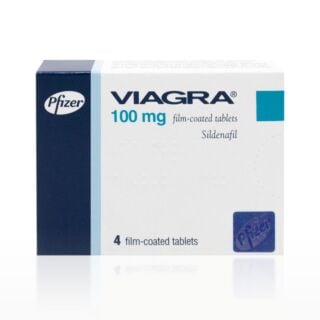
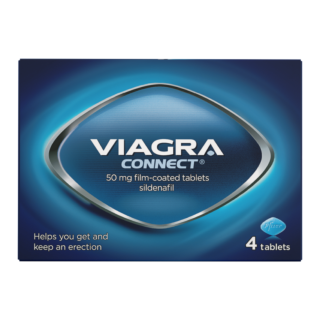
The good news is that ED is highly treatable. Prescription medications like Viagra (sildenafil) or Cialis (tadalafil) are often the first port of call, and there are also over the counter options like Viagra Connect if you'd prefer not to go down the prescription route. These tablets work by improving blood flow to the penis and are effective for the majority of men.
Lifestyle changes can also make a real difference. Losing weight (if needed), exercising regularly, cutting down on alcohol, and quitting smoking have all been shown to improve erectile dysfunction symptoms, sometimes significantly. If you're struggling with anxiety or stress, talking therapies or counselling can be helpful in addressing the issue. For men who can't take ED medication or find that tablets don't work for them, there are still plenty of alternatives. These include vacuum pumps, penile injections, or in some cases, surgical implants.
Chemist 4 U uses cookies (and other techniques) to enhance your shopping experience.
Read more about our cookie policy, terms and conditions and privacy statement. By continuing on this site and accepting our cookies you agree to the collection of information on this basis by us and by third parties on the platform as well as direct email marketing. Please customise your cookie settings below.
Find out more about our data policies.