Noticed an itching in your throat or on your lips after eating certain fruits, vegetables or nuts? It’s possible that you may have oral allergy syndrome (OAS), also known as pollen food syndrome.
Fortunately, it’s relatively easy to manage. We’ll walk you through what foods to avoid, which allergy treatments you should consider, and how Chemist4U can help.
Three key takeaways
Oral allergy syndrome is fairly common, affecting around 2% of the UK population. Symptoms include swelling lips, an itchy throat or, in rarer cases, a stomachache.
OAS is subtly different to a food allergy and is seen in those with a sensitivity to grass, weed or, most usually, tree pollen.
It can be easily managed using allergy treatments, preparing food differently, and avoiding triggers.
What causes oral allergy syndrome?
“Although you might notice symptoms immediately after eating certain fruits, nuts or vegetables, oral allergy syndrome is usually linked to an allergy to pollen (or sometimes latex) rather than the food you’ve eaten. Your body is just confusing your pollen allergy with signals given by some foods.
“This is because those fruits, nuts and vegetables contain proteins that 'look' like those in some pollen or latex, causing confusion. Your lips, throat, stomach, or ears react to those signals by becoming irritated and swelling or itching.
“In the UK, oral allergy symptoms tend to be worse from March to May, which is when birch pollen is in season.”
People who are affected by oral allergy syndrome have seasonal pollen allergies. In the UK, it’s most common in those allergic to birch pollen.
Some people are allergic to one kind of food, while others are sensitive to a wider variety. Most reactions are to raw food, but cooked celery and nuts can cause reactions.
Symptoms usually appear within five to 10 minutes of eating the food that causes the reaction, and, without treatment, disappear within an hour.
When to seek medical help
If your symptoms change you should speak to your GP.
Seek urgent medical attention in hospital, or call 999 if:
your lips, mouth, throat or tongue suddenly become swollen
your breathing rate increases rapidly or you feel wheezy
you are struggling to swallow
you become drowsy, confused or dizzy
your lips become pale or turn blue or grey
someone has fainted
a child becomes floppy or limp
Foods that can cause oral allergy syndrome
Each pollen allergy is linked to certain foods. While this table gives general guidance, always consult your GP if you’re not sure whether your symptoms are linked to oral allergy syndrome or a food allergy.
Type of allergy
Vegetables
Fruit
Seeds, herbs and spices
Nut
Birch and alder pollen
Celery, bean sprouts, carrot, mange tout, green pepper, potato, soya, tomato, parsnip, peas
Usually, a doctor will diagnose pollen food syndrome from a consultation. But if it’s not clear whether you have oral allergy syndrome or food allergies, you will be referred to a clinic for more blood or skin prick testing.
Skin prick testing involves putting a small amount of the allergen onto your skin and then using a lancet to prick through the drop to allow a very small amount of the allergen into the skin. If you’re sensitised to that allergen, you’ll notice that patch of skin becoming itchy or bumpy.
How to treat oral allergy syndrome
If you experience a new reaction to a fruit or vegetable, immediately rinse your mouth with water.
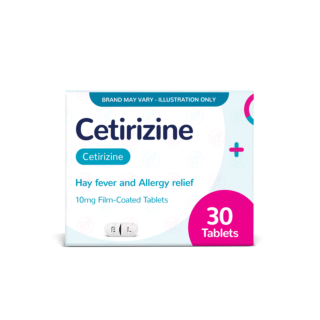
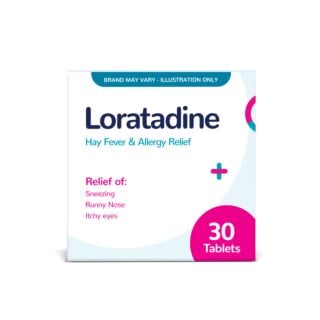
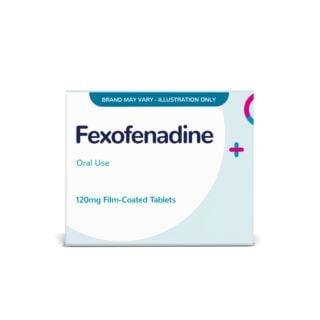
Allergies can be managed by taking antihistamines, either when you notice symptoms, or daily during high pollen season.
6 tips for managing oral allergy syndrome
Oral allergy syndrome is easily managed. Here are six simple steps to help control your symptoms:
Avoiding trigger foods when you can, especially during high pollen season.
Cooking fruits, nuts or vegetables that cause symptoms.
Peeling fruits or vegetables that cause symptoms.
Wearing gloves or safety glasses when preparing foods you know cause symptoms.
Although there’s no cure for pollen food allergy syndrome, we have a range of allergy treatments to help you manage your symptoms.
Some are available without prescription, while others require a consultation with our experienced clinicians.
There’s something suitable for all the family, including antihistamines, syrups and eye drops. We can even help you restock your EpiPen if your doctor has prescribed one for potentially serious symptoms.
Frequently asked questions about oral allergy syndrome
Why did I suddenly develop oral allergy syndrome?
Oral allergy syndrome is unpredictable! It’s likely that you have an underlying allergy to grass or tree pollen or latex, and your body has started to mistake certain foods for that pollen or latex. Pollen food allergy syndrome starts when your immune system becomes sensitised enough to trigger a reaction to those foods. For some, that starts in childhood, but it can become a problem at any point in your life.
What can be mistaken for oral allergy syndrome?
It’s possible to mistake food or latex allergy symptoms for oral allergy syndrome, as the symptoms are very similar. If you’re at all unsure about which form of allergy you have, you should see your GP. Some people also mistake their symptoms for allergies to pesticides
Does oral allergy syndrome go away?
No, the syndrome rarely disappears on its own, but it is usually mild and easily manageable. It often gets worse during peak pollen season.
Sources
Food Allergy (2026). NHS [Accessed 6th February 2026].
Chemist 4 U uses cookies (and other techniques) to enhance your shopping experience.
Read more about our cookie policy, terms and conditions and privacy statement. By continuing on this site and accepting our cookies you agree to the collection of information on this basis by us and by third parties on the platform as well as direct email marketing. Please customise your cookie settings below.
Find out more about our data policies.