Using an EpiPen (epinephrine or adrenaline auto-injector) to help manage anaphylaxis can understandably feel intimidating, especially if it's your first time.
However, they’re designed to be easy to prepare and simple to use. We’ll lead you through how to use an EpiPen, when you should use one, and the most common mistakes people make when injecting.
Three key takeaways
If your allergies put you at risk from anaphylactic shock, you should always carry two EpiPens at any time.
If you need to use an EpiPen, stay calm, take the safety cap off, and use the orange end to inject into your thigh. Keep the pen in place for three seconds.
What is an EpiPen?
An EpiPen is a life-saving emergency treatment. It’s used to treat serious allergic reactions called anaphylaxis (or anaphylactic shock).
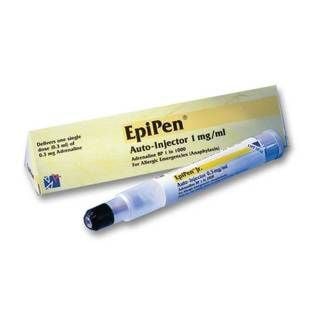
It’s a combined syringe and concealed needle, which, when you press it against your thigh, delivers a single dose of adrenaline.
It comes in a plastic case with blue and orange coloured ends. If you are at risk from anaphylactic reactions, you’re advised to carry two.
If you’re at risk of anaphylactic reactions, your GP will give you a prescription for an adrenaline auto-injector, usually known as an EpiPen. You can then re-order and manage your prescription with Chemist4U.
Anaphylaxis is a sudden, severe allergic reaction and is considered a medical emergency. Fast treatment is essential, so if you notice any symptoms of allergic reaction, you should let people around you know and locate your pens.
Symptoms can vary from person to person, so it’s important to discuss your anaphylaxis with your clinician and be clear what to look out for.
Severe symptoms can include:
wheezing
tightness in your throat
coughing
hoarse voice
noisy breathing
trouble breathing
swollen lips, tongue, throat or face
hives or itchy skin
skin flushing
skin turning pale, ashen or blue
dizziness
faintness
rapid heart rate
severe stomach pain
vomiting
diarrhoea
tiredness
confusion or agitation
uterine cramps in women
anxiety
If you notice these, you should use your EpiPen, or ask someone else to help you use your EpiPen and call 999.
“If your symptoms are mild, such as a small, localised itchy patch of skin, red or itching eyes, a blocked nose, a small amount of swelling on the lips, eyes or face, or minor sneezing, you don’t have to use your EpiPen.
“However, if you have any doubts about whether your symptoms are severe, you should use your EpiPen. It’s safer to use it early, rather than wait.
“And once you’ve used your EpiPen, you should still always seek emergency treatment.”
Using an EpiPen might seem daunting, but they are designed to be simple to work. You don’t need medical training to use one.
When you or someone else is experiencing anaphylactic shock, it helps to remain calm. Take a few breaths before you use an EpiPen to focus.
Find yours and take it out of the packet, then:
Sit or lie down.
Grasp the EpiPen in your dominant hand and remove the blue safety cap by pulling it straight up.
Choose a spot in your outer thigh to inject. You can inject through clothing, but make sure there are no buckles, zips or thick seams where you want to use your EpiPen.
Hold the EpiPen at 90 degrees, roughly 10cm away from your outer thigh.
Jab the orange tip into your outer thigh until you hear or feel a click.
Hold firmly for three seconds.
Remove the device and massage the area for ten seconds.
Call 999.
Use a second pen if necessary.
The manufacturers of EpiPens offer a free trainer pen if you, your friends, family or colleagues want to practice using one, so you’re prepared in case of an emergency. .
Common mistakes when using an EpiPen
While EpiPens are designed to be simple to use, it’s easy to make mistakes. So, watch out for the following:
Using the wrong end of the auto-injector
Think of the rule 'Blue to the sky, orange to the thigh'. Remove the blue safety cap, and jab the orange end into your thigh.
Ask your clinician to demonstrate how to use the EpiPen when you are prescribed yours.
Not holding the EpiPen to the thigh long enough
Modern EpiPens need to be held in place for three seconds to be effective. Count aloud if it helps you mark time. If in doubt, hold longer; it won’t do any harm.
Not having your EpiPen to hand
You should carry your EpiPen at all times. Allergies are unpredictable and, no matter how careful you are, you may encounter something that causes anaphylactic symptoms.
Waiting too long to inject
It’s always better to be cautious. If you’re in any doubt, inject at the first sign of symptoms.
What to do after using an EpiPen
After you use your EpiPen you should:
Continue to sit or lie down. Lift up your legs into the air if possible.
Call 999 if you haven’t already done so.
Monitor your symptoms. If they don’t disappear within five-15 minutes, use another EpiPen.
Keep the EpiPen to give to ambulance staff for disposal.
Tell medical staff that you’ve used an EpiPen.
You can tell if an EpiPen has been used by looking at its window. If it’s dark or obscured, the pen is empty and cannot be used again.
Seeking medical assistance
You should always call 999 or go to a hospital after experiencing anaphylaxis, even if your symptoms have reduced or disappeared. Symptoms can appear up to two hours after you’ve been exposed to an allergen, and you might experience a second wave of symptoms, known as a biphasic reaction.
Disposing of your EpiPen
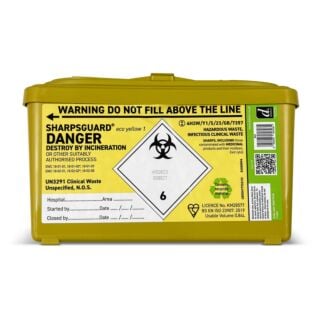
If you have called an ambulance, give your EpiPen to the paramedics or hospital to dispose of. EpiPens contain needles, so shouldn’t be put in your household rubbish or recycling. Put them in a sharps bin, or take them to a GP surgery or local pharmacy.
You should store your EpiPens in their cartons, and out of reach of children and pets. However, they should be easily accessible and in an unlocked place, and you should always take two with you when leaving the house. You might consider buying a special marked carry case and wearing a medical bracelet or necklace to communicate your risk of anaphylactic shock.
Your EpiPen should be kept at temperatures below 25°C and above 15°C, and away from air and light. Don’t refrigerate or freeze your pens. A cooler or medical bag can help keep yours at an even temperature.
Check your EpiPen’s window. If the solution inside is brown or pink, cloudy or has particles, you should replace that EpiPen.
Also keep an eye on expiration dates and immediately replace any pens when needed.
Frequently asked questions about how to use an EpiPen
What is blue to the sky, orange to the thigh?
This handy phrase helps you remember which way round to hold your pen. The safety cap on your pen is blue, while the injection end is orange. So, keep the blue end pointing up towards the sky as you remove the safety cap, and make sure the orange end is the point you inject into your thigh.
Do you inject an EpiPen for three seconds or 10 seconds?
Modern EpiPens need to be held in place for three seconds after injecting. Count the time slowly and, if in doubt, hold for a little longer before removing and massaging.
What is the rule of two for anaphylaxis?
The rule of two for anaphylaxis is an easy way to remember that:
reactions usually begin two minutes to two hours after contact with the substance you’re allergic to
Chemist 4 U uses cookies (and other techniques) to enhance your shopping experience.
Read more about our cookie policy, terms and conditions and privacy statement. By continuing on this site and accepting our cookies you agree to the collection of information on this basis by us and by third parties on the platform as well as direct email marketing. Please customise your cookie settings below.
Find out more about our data policies.