Being told you’re at risk of anaphylactic reactions can be daunting. Anaphylaxis is an extreme allergic reaction that requires immediate emergency treatment. It’s sudden, affects multiple parts of your body and can be life-threatening.
But with the correct medication and information, you can minimise the risks. Most people manage this extreme allergic reaction very well.
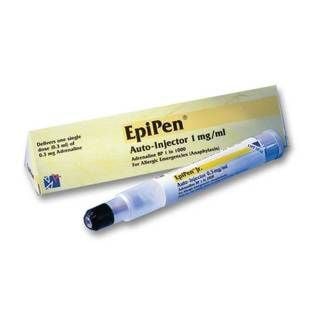
If you’re at risk of anaphylactic reactions, your GP will give you a prescription for an adrenaline auto-injector, for example an EpiPen. You can then re-order and manage your prescription with Chemist4U.
Our guide explains how to tell the difference between an allergic reaction and anaphylaxis, the symptoms to look out for, and what you should do if you go into anaphylactic shock.
Three key takeaways
Anaphylaxis is a sudden, severe allergic reaction and considered a medical emergency.
Fast treatment is essential. If you have symptoms, call 999 or use your prescribed adrenaline auto-injector.
Anaphylactic shock is serious, and can be life-threatening, but is treatable and manageable. Being informed and prepared is key.
What is anaphylaxis?
Anaphylaxis is a sudden, severe allergic reaction that affects different parts of your body at the same time. It’s triggered when your body overreacts to a substance or food you’re allergic to (allergen) and releases chemicals including histamines into your bloodstream. These chemicals cause allergic symptoms.
Sometimes you are so sensitised to the allergen that even tiny amounts can cause a serious allergic reaction.
Sometimes the cause of an anaphylactic reaction is unknown. This is known as idiopathic anaphylaxis. Exercise can also cause anaphylaxis, though this is rare.
Anaphylaxis is very serious and can be life-threatening. If you suspect you or someone else is having an anaphylactic reaction call 999.
“Some people refer to an advanced stage of anaphylaxis – when blood pressure drops critically low – as anaphylactic shock. However, most of the time anaphylactic shock means the same as anaphylaxis. They are both used to refer to a sudden, serious allergic reaction.”
What’s the difference between an allergic reaction and anaphylaxis?
It’s not always easy to tell the difference between an allergic reaction and anaphylaxis. But a good rule of thumb is that an allergic reaction usually only affects one part of your body, while anaphylactic shock involves multiple organs.
Most doctors consider an allergic reaction to be anaphylaxis if it causes breathing difficulties, affects your heart rhythm or blood pressure. Healthcare professionals sometimes refer to these as the ABC symptoms.
If your symptoms affect your:
airway (swelling in the throat, tongue or windpipe, hoarse voice, difficulty swallowing)
breathing (noisy breathing, cough, wheezing)
circulation (clammy skin, feeling faint, sleepiness, confusion or collapse)
Then you should use your adrenaline auto-injector (EpiPen) if you have one and seek immediate medical help.
Symptoms of anaphylaxis
Common anaphylaxis symptoms can include:
wheezing
tightness in your throat
coughing
hoarse voice
noisy breathing
trouble breathing
swollen lips, tongue, throat or face
hives or itchy skin
skin flushing
skin turning pale, ashen or blue
dizziness
faintness
rapid heart rate
severe stomach pain
vomiting
diarrhoea
tiredness
confusion or agitation
uterine cramps in women
anxiety
Severe signs of anaphylaxis
Severe and serious symptoms of anaphylactic shock can include:
a dramatic fall in blood pressure
breathing difficulties
choking
wheezing
tongue or throat swelling
fainting or collapse
drowsiness
extreme confusion
cold skin
weak pulse
a child becoming floppy or finding it difficult to lift their head
If you or someone else has these symptoms you should use an EpiPen if you have one and call 999 immediately.
When do the symptoms of anaphylaxis start?
“If you come into contact with something you’re allergic to, symptoms of anaphylaxis usually start almost immediately and progress quickly. However, they can sometimes start two or three hours after you’ve been exposed to the allergen.
“If you have a serious reaction you will have to stay in hospital, in case you have a second wave of symptoms, known as a biphasic reaction.”
Ian Budd, Prescribing Pharmacist at Chemist4U
What causes anaphylaxis
You first get anaphylaxis when your body comes into contact with an allergen and mistakes it for a threat. The next time you are exposed to that allergen, your body releases chemicals including histamine that cause the symptoms of anaphylaxis.
Certain substances are more likely to trigger anaphylaxis symptoms. Common allergens include:
certain foods (often cow’s milk, eggs, peanuts, tree nuts, fish, shellfish, some fruits)
insect venom (bee and wasp stings)
medications (for example, antibiotics, aspirin, anaesthetics)
latex
Sometimes you may not know what you’re allergic to. This is called idiopathic anaphylaxis.
Who is at risk of anaphylaxis?
You might be at higher risk if you:
have had an anaphylactic reaction before
have asthma, particularly if it’s not under control
have mastocytosis, a build-up of mast cells in your body
have atopic eczema or rhinitis
have already had an allergic reaction that has affected your breathing, airway or circulation
react to a very small amount of the allergen
Children are more likely to have anaphylaxis than adults.
4 stages of anaphylaxis explained
Anaphylaxis can escalate very quickly, and may not follow in the same order or with the same symptoms each time you experience a reaction. The primary treatment is always adrenaline (e.g. your EpiPen), and you should always be ready to call 999.
The four stages of anaphylaxis are broadly:
Stage
Severity
Key symptoms
What to do
Remember
Stage 1
Mild anaphylaxis
Skin redness, itching, hives, a mild rash.
Immediately remove the trigger and, if the person has them, locate their EpiPens. Sit them down and keep them calm. If you’re the person having a reaction, tell someone and ask for help.
Always take note of early symptoms. It’s dangerous to ignore them.
Stage 2
Moderate anaphylaxis
More pronounced hives, mild swelling in lips and tongue. Gastrointestinal symptoms.
Use an EpiPen and call 999. Ensure you or the person suffering the attack is lying down.
Don’t hesitate to use an EpiPen.
Stage 3
Severe anaphylaxis
Extensive swelling in mouth, throat or tongue, weak pulse, dizziness and disorientation.
Monitor breathing. If symptoms haven’t improved five minutes after using the first EpiPen, use the second.
It’s important to get medical attention as soon as possible.
Stage 4
Life-threatening anaphylaxis
Loss of consciousness, struggling to breathe.
Call 999 again if no emergency services have attended. Start CPR if needed.
Prioritise getting professional medical attention.
How to treat anaphylaxis
If you or someone you are with are showing signs of anaphylactic shock you should:
Remove the allergen. For example, take the insect sting out, rinse your mouth with water, or leave the area where allergens are present.
If possible, lie down and raise your legs. If the person with symptoms is struggling to breathe, you may help them slowly sit up a little.
Call 999 and tell them that you or someone you are with is having an anaphylactic reaction.
Use your auto-injector. An adrenaline auto-injector is a combined syringe and concealed needle that injects a single dose of medication when pressed against the thigh. If symptoms don’t improve after five minutes, use your second auto-injector. You can find out more about how to use an EpiPen with our guide.
Stay lying down, even if you feel better.
Anaphylaxis is a medical emergency, which must be treated with an EpiPen, and not antihistamines or other medicines.
You might consider buying a special marked carry case and wearing a medical bracelet or necklace to communicate your risk of anaphylactic shock.
How Chemist4U can help
If you are at risk of anaphylaxis symptoms like a badly swollen throat, difficulty breathing, wheezing or a rapid heart rate, your GP will prescribe an auto-injector like an EpiPen.
You should carry two EpiPens with you at all times, in case you’re in an unmanageable situation and become exposed to allergens or experience unexpected symptoms.
You can re-order your prescription, and stock up on EpiPens, with Chemist4U.
Can a person die as a result of anaphylactic shock?
Yes, a person can die as a result of anaphylactic shock, but it’s very rare. There are around 20 deaths in the UK every year, and, if treated properly, most people make a full recovery.
What is the rule of two for anaphylaxis?
The rule of two for anaphylaxis is an easy way to remember that:
reactions usually begin two minutes to two hours after contact with the substance you’re allergic to
you should always carry two EpiPens
What are not signs of anaphylaxis?
On their own, itching, rashes, sneezing or watery eyes signal a milder allergic reaction, and not anaphylaxis. However, if these are combined with symptoms like problems breathing, dizziness or pale skin or severe abdominal pain then they might be symptoms of anaphylactic shock. If you are in any doubt, seek medical help.
Chemist 4 U uses cookies (and other techniques) to enhance your shopping experience.
Read more about our cookie policy, terms and conditions and privacy statement. By continuing on this site and accepting our cookies you agree to the collection of information on this basis by us and by third parties on the platform as well as direct email marketing. Please customise your cookie settings below.
Find out more about our data policies.