There's one main reason people take contraception: to avoid getting pregnant. While no method is 100% safe (well, aside from not having sex), if used correctly, the birth control pill is more than 99% effective. This means fewer than one in every 100 people taking the pill will get pregnant within a year.
But that’s only if you use the pill correctly. Human error means that it’s possible the pill can fail, and you may become pregnant.
That’s where we come in. Below we take a look at the chances of you getting pregnant on the birth control pill, and what you can do to help make your contraception as effective as possible.
Three key takeaways
The pill is a very effective method of birth control, as long as you take it as directed.
Taking your contraceptive pill at the same time each day and never missing a dose is key to it working correctly.
Your choice of pill, weight changes and illness can all affect how effectively your contraception works.
How effective is the birth control pill?
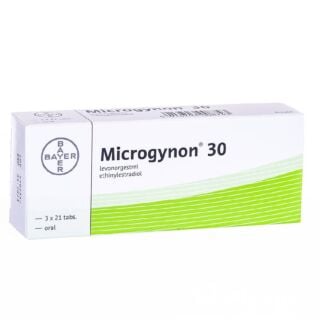
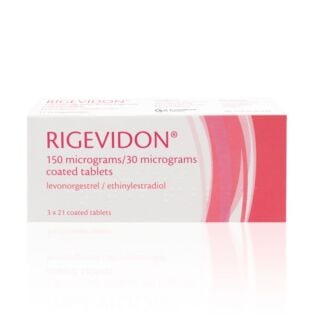
“When picking the best contraceptive pill for your body,you have two main options: the combined pill, and the progestogen-only (mini) pill.
“The combined pill contains oestrogen and progestogen, while the mini pill (or POP) only contains progestogen. Taken correctly, both forms of contraceptive pills are over 99% effective, making them a reliable form of birth control. However, this figure refers to 'perfect use', which means using the pills exactly as directed, every time, with no mistakes or slip-ups.
“Typical use allows for human error, like missed or late pills, and illnesses such as vomiting or diarrhoea. When these factors are taken into account, the contraceptive pill is 91% effective. That means every year, nine users will get pregnant while on the pill.”
Factors that can cause the contraceptive pill to fail include:
Forgetting to take the pill or taking your pill late
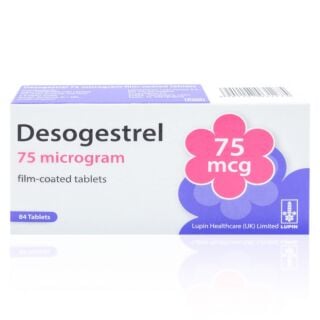
All mini pills should be taken at the same time every day for maximum effectiveness. Traditional POPs, or progestogen-only pills that contain noresthisterone (for example, Noriday or Norgeston) have a strict three-hour window of effectiveness. However, desogestrel POPs (for example, Cerazette, Cerelle or desogestrel) have a more forgiving window of 12 hours.
If you think you’re the kind of person who might forget to take their pill, you could consider a drospirenone-based mini pill like Slynd, as they have a 24-hour missed pill window.
Most combined pills are also effective if taken within 12 hours of your usual time. However, you should establish a routine time to take your pill, so you don’t forget or skip a dose.
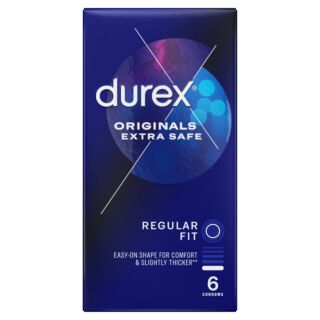
If you miss a pill or take a pill late, you should use barrier protection like condoms for seven days.
Sickness and diarrhoea can cause your pill to become less effective. This can include:
if you vomit within two hours of taking a progestogen-only pill (except desogestrel-based pills)
if you vomit within 3-4 hours of taking a desogestrel or drospirenone pill
if you have severe diarrhoea
Depending on when you last had sex, you may need emergency contraception, or to use a barrier method going forwards. Contact your prescriber or GP, or check the information leaflet that comes with your pills, for more details.
If you take a combined pill and vomit after having your dose or have diarrhoea for more than 24 hours, you should continue to take your pill. However, you may need to use another form of contraception for the following seven days or use emergency contraception.
If you are vomiting or have diarrhoea for more than a day while taking the last seven pills in your pack then you should continue to take those pills, but follow up straight away with your next pack, or skip your dummy pills and go straight to your next pack.
Medications
Medications and remedies that can make your pill less effective include:
some TB, HIV, depression and epilepsy treatments
St John’s wort
rifampin (an antibiotic)
griseofulvin (an antifungal medicine)
lamotrigine (a mood stabiliser)
modafinil (a stimulant)
Your doctor or prescriber will be able to advise about any potential medication clashes.
The date you first start the pill
How long your contraception takes to work can depend on the date you first start taking your pill. This varies between mini pills and combined pills.
Mini pills
If taken during the first two days of your period, the progestogen-only pill protects you from pregnancy immediately. If you start your pack from your third day onwards, the pill will take two days to work.
If you are taking the drospirenone pill, it’s immediately effective if taken on day one. However, if you start your pack after that, it will take seven days to work at full potential, so you should use an additional barrier method like condoms.
Combined pills
If you begin taking your combined pill during the first five days of your menstrual cycle, it’s effective immediately. If you start your pack after that, you will need to use another form of contraception, like condoms, for seven days.
Zoely or Qlaira work immediately if you start your pack on the first day of your period, but if taken from day two onwards, Zoely will take seven days to become effective, while Qlaira will start working after nine days. Use a barrier method such as condoms until you can be sure your pill is working at maximum efficacy.
Evidence is mixed, but if you have a BMI over 27.3, or you are in the highest obesity category, you may face a 60-70% greater chance of your contraceptive pill failing. Speak to your doctor or prescriber if you have any concerns.
Storage
If your pill packaging is damaged, exposed to heat, light, extreme cold or moisture they may fail.
Underlying medical conditions
Hormonal conditions such as PCOS or thyroid issues, or disorders that affect how your stomach absorbs drugs can affect the effectiveness of your contraceptive pill. Your GP or prescriber will be able to advise you.
What doesn't cause the contraceptive pill to fail
Factors that don’t affect the way your pills work include:
most antibiotics, unless they cause diarrhoea or vomiting
moderate use of alcohol
most antidepressants
most anti-fungal drugs for yeast infections
most supplements
5 tips for taking the contraceptive pill effectively
Be consistent with timings
Timing is vital. Establish a routine (when you brush your teeth, at bedtime or after breakfast) to help you remember when to take yours. You also might consider setting an alarm on your phone as a memory aid.
Store your pills correctly
Keep yours somewhere cool, dry and safe, such as a drawer or box.
Follow the instructions
Brands of pills work in different ways. Some birth control pills take longer to become effective or have a narrower daily window when they should be taken. Others may need to be taken in different ways. For example, some have dummy pills or require a monthly break. Be sure to read the leaflet that comes with yours, or speak to your prescriber or GP.
Tell your doctor if your weight changes
Your BMI can affect how well contraceptive pills work. So, let your GP or prescriber know if you gain some weight, and they can advise you on whether you need to change your contraception
Medications and remedies
Be aware that some medicines and herbal remedies can impact the effectiveness of your birth control. Speak to your GP or prescriber if you start taking any new remedies or medication.
Does the birth control pill affect fertility?
No, when you stop taking the pill, you will have the same fertility as when you started taking it. In fact, some studies have shown that your fertility may increase after taking the pill.
Symptoms of pregnancy on birth control
Some side effects of birth control pills can be similar to the symptoms of pregnancy. However, key signs to watch for include:
missed bleeds — if you have two missed periods in a row, take a test
tiredness
breast changes
needing to pee more often
food cravings or aversions
If you notice any of these symptoms and are concerned you might be pregnant take a pregnancy test or see your GP. But don’t stop taking your pills.
What to do if you’re pregnant on the pill
If a home test is positive, schedule an appointment with your doctor to confirm the pregnancy and to discuss your options. Keep taking your pill until your pregnancy is confirmed — it’s safe to do so.
Can the birth control pill harm your baby?
No, studies are limited, but show that there is no evidence that taking a contraceptive pill leads to an increased risk of major birth defects or miscarriage.
Free contraception with Chemist4U
Chemist4U can help with your free NHS contraception – no GP appointment needed! Most popular oral contraceptives are available through this service, including both combined and progesterone-only (mini pill) options and emergency contraception.
To make sure your choice of birth control is right and safe for you, we require a phone call with one of our friendly pharmacists after you’ve completed the online consultation.
Frequently asked questions about birth control and pregnancy
Can you get pregnant with a birth control implant?
Yes, you can. No method of birth control is 100% effective. The birth control implant works very well, with over 99% effectiveness, but there’s a small chance the device might be incorrectly inserted or can push out. Certain medications also affect the success rate of implants.
What is the chance of getting pregnant on the pill?
Taken correctly, the chances of getting pregnant on the pill are very low. About one in a 100 people taking it will become pregnant every year. However, if you are taking it as most users typically do, the chance of getting pregnant is about nine in a 100.
Do you ovulate on the pill?
Generally, if you take your pill correctly, you don’t ovulate. The combined pill stops ovulation entirely, while the mini pill stops most people from ovulating. The withdrawal bleed observed by many users is not a true period.
Am I protected during the week break?
Yes, as long as you take your active pills correctly and start your next pack on time you are protected. However, if you take a longer break, you should use barrier protection like condoms.
Chemist 4 U uses cookies (and other techniques) to enhance your shopping experience.
Read more about our cookie policy, terms and conditions and privacy statement. By continuing on this site and accepting our cookies you agree to the collection of information on this basis by us and by third parties on the platform as well as direct email marketing. Please customise your cookie settings below.
Find out more about our data policies.