We understand that, sometimes, a night out with friends can result in an unpleasant morning after. But fear not, because we’ve compiled a list of the best healthy hangover cures – foods, drinks, vitamins and supplements that can help ease your hangover symptoms and get you back on track.
We also bust a few hangover cure myths when it comes to greasy foods, cold showers and coffee.
So, let's dive in and explore the best options for your current, or next, hangover!
Three key takeaways
Drinking lots of non-alcoholic liquids is the best way to deal with a hangover.
Taking ibuprofen the morning after drinking is safer than taking paracetamol before bed.
If you are taking medication, always check with your doctor, pharmacist, or the patient information leaflet before drinking alcohol.
When to take painkillers for a hangover
“Taking paracetamol before bed after drinking can be risky because both alcohol and paracetamol are processed by your liver, which can increase the risk of liver damage. If you need to take painkillers, ibuprofen the next morning (with plenty of food and water) is a better option. We always advise for you to check with your pharmacist to see which painkillers are suitable for you.”
Ian Budd, UK GPhC Regulated Pharmacist at Chemist4U
10 healthy hangover cures
If you're feeling the effects of a night out and looking to fuel your body with some nourishing foods, we've got you covered!
In this list, we've rounded up some of the best hangover foods, drinks and supplements that can help ease symptoms and support your body's recovery.
1. Water
Drinking plenty of water is one of the most important things you can do to combat a hangover. Try to sip water throughout the day and aim to drink at least 8-10 glasses the next day to help flush out toxins and rehydrate your body.
While it's always important to stay hydrated, taking water up to bed if you've been drinking is a particularly good idea. Alcohol dehydrates your body, which can contribute to many of the unpleasant symptoms of a hangover, like headaches, fatigue, and nausea.
By keeping a glass of water on your bedside, you can help prevent dehydration and reduce the severity of these symptoms.
Drinking water before bed can also help dilute the alcohol in your bloodstream, which can help prevent a more severe hangover. While it won't completely prevent a hangover, staying hydrated can certainly help lessen its effects.
“The most effective way to recover is to rehydrate and rest. Alcohol is a diuretic, meaning it makes you lose fluids and electrolytes. Water, sports drinks, or oral rehydration salts can all help. If you know you’re drinking, alternate alcohol drinks with water and have a glass before bed.”
Ian Budd, UK GPhC Regulated Pharmacist at Chemist4U
2. Eggs
Eggs are a great option for a healthy breakfast after a night of drinking. They are high in protein, which can help stabilise blood sugar levels and reduce cravings for unhealthy foods.
Eggs also contain amino acids like cysteine, which support the body’s natural detox processes by helping the liver produce antioxidants such as glutathione. While they won’t instantly “detox” your body, including eggs in a balanced meal can aid recovery and provide essential nutrients.
3. Avocados
Avocados are a trendy and delicious breakfast option that can help ease hangover symptoms. They are packed with healthy fats and fibre, which can help regulate digestion and reduce inflammation.
They also contain a bunch of vitamins and minerals, too. Avocados are rich in vitamins B6, C, E, and K, as well as minerals like potassium and magnesium. These nutrients can help replenish electrolytes lost during alcohol consumption and support liver function.
Thinking about adding a bit of green onto your breakfast plate? Avocado toast is your best bet, and, if you’ve chosen whole grain bread, it provides complex carbohydrates that can help replenish energy levels.
4. Porridge
Porridge, also known as oatmeal, is a great choice for a hangover because it's easy to digest and packed with nutrients that can help ease hangover symptoms.
After a night of drinking, your body may be depleted of certain nutrients like B vitamins, magnesium, and zinc. Porridge is rich in these nutrients, which can help replenish your body and support your liver function.
Additionally, porridge is a complex carbohydrate, which means it's digested slowly and can help stabilise your blood sugar levels. This can be especially helpful if you're feeling shaky or weak.
5. Greek yoghurt
Like eggs, Greek yoghurt is a great source of protein, which can help stabilise your blood sugar levels and keep you feeling full and satisfied. This can be especially helpful if you're feeling weak or lethargic.
It also contains beneficial probiotics that can help support your gut health and improve digestion. This can be especially helpful if you're feeling bloated or experiencing digestive issues after a night of drinking.
6. Coconut water
Coconut water is a natural source of electrolytes, which can help replenish your fluids and support hydration. It's also rich in potassium, which can help regulate your body's fluid balance and reduce feelings of fatigue.
7. Green tea
Green tea is rich in antioxidants called catechins, which help to protect the liver from damage caused by alcohol. Drinking green tea after consuming alcohol may help to reduce inflammation and oxidative stress in the liver, which can contribute to hangover symptoms.
8. Ginger tea
Ginger tea is a natural anti-inflammatory and can help soothe an upset stomach or nausea that may be associated with a hangover. It's also hydrating and can help replenish your fluids.
9. Fresh fruit juice
Fresh fruit juices, like orange juice or apple juice, are a great source of vitamins and minerals. This can help replenish your body's nutrients after a night of drinking. Just be sure to choose juices that are low in added sugars and contain no artificial ingredients.
10. Effervescent drink supplements
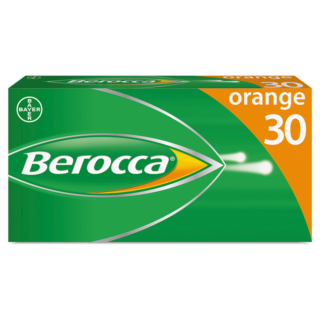
Effervescent supplements are tablets that dissolve in water, and they contain a range of electrolytes, vitamins and minerals and electrolytes to give your body a well-needed boost. They can rehydrate you, helping to ease headaches and dizziness.
Effervescent drink supplements often contain a vitamin B complex to support liver function, while others contain antioxidants such as vitamin C and vitamin E, which can help reduce inflammation and oxidative stress caused by alcohol consumption.
“The mix of dehydration, poor sleep, and fluctuating blood sugar can all contribute to hangover anxiety – or ‘hangxiety’. Alcohol also disrupts brain chemicals like serotonin, which regulate mood, so you may feel unusually anxious or low the next day.
“To manage hangxiety, rehydrate, eat something nourishing, get some fresh air, and rest properly. Avoid caffeine if you’re already feeling jittery and remember the feelings will pass once your body and brain chemistry rebalance.”
Ian Budd, UK GPhC Regulated Pharmacist at Chemist4U
Hangover cure myths
While we’ve covered the healthy stuff, what about those other hangover ‘cures’ that you’ve been recommended down the pub? One of our prescribing pharmacists, Ian Budd, dispels three common myths below:
A fry-up won’t ‘soak up’ alcohol
“Eating after drinking doesn’t remove alcohol from your system; your liver still needs time to break it down, usually about one unit of alcohol per hour. A fry-up might make you feel better because of the salt and carbs, but it won’t speed up your recovery. If anything, greasy food can irritate your stomach and make nausea worse. The best move is to eat a balanced meal before drinking. Having food in your stomach slows alcohol absorption and can reduce the risk of a bad hangover.”
Ian Budd, UK GPhC Regulated Pharmacist at Chemist4U
Coffee won’t sober you up
“Caffeine can make you feel more alert, but it doesn’t help your body process alcohol faster, you’ll still be drunk, just wide awake! Coffee is also diuretic, so it can make dehydration worse, which is one of the main reasons you might feel unwell the next day. Stick to water or an electrolyte drink instead.”
Ian Budd, UK GPhC Regulated Pharmacist at Chemist4U
Cold showers don’t ‘shock you sober’
“While a cold shower might help you feel more awake, it doesn’t reduce your blood alcohol level or make you sober. Your body still needs time to process alcohol naturally.”
Ian Budd, UK GPhC Regulated Pharmacist at Chemist4U
How to stay safe when drinking alcohol and taking medication
Alcohol can interact with a wide range of drugs, both prescription and over-the-counter, in ways that can make them less effective or more dangerous. Always check the patient information leaflet or ask your pharmacist before drinking while taking medication, as even small amounts of alcohol can have different effects depending on the medicine.
“Mixing alcohol with sedatives, antidepressants, or strong painkillers can make drowsiness and coordination problems worse, while drinking while on antibiotics can cause nausea, flushing and vomiting.
“Even everyday medications like antihistamines and cold remedies can intensify alcohol’s sedative effects.
“If you’re taking statins, it’s best to drink in moderation or avoid alcohol altogether; both alcohol and statins are processed by your liver, so heavy drinking can increase the risk of liver damage and muscle-related side effects.”
Ian Budd, UK GPhC Regulated Pharmacist at Chemist4U
Chemist 4 U uses cookies (and other techniques) to enhance your shopping experience.
Read more about our cookie policy, terms and conditions and privacy statement. By continuing on this site and accepting our cookies you agree to the collection of information on this basis by us and by third parties on the platform as well as direct email marketing. Please customise your cookie settings below.
Find out more about our data policies.