Muscle Joint Pain Relief
Shop pain relief for aching muscles, sore backs, and stiff joints. Musculoskeletal pain is very common, and many UK adults can easily manage it with over-the-counter products. … Read More See less
Choose from topical non-steroidal anti-inflammatory drugs (NSAIDs), like ibuprofen and diclofenac gel, which you rub onto the skin to reduce inflammation where it hurts. You can also choose from UK-licensed pain relief tablets, heat patches, and more.


Related Guides


Understanding muscle and joint pain
What causes muscle pain?
Muscle pain is often caused by:
- injury, like a strain
- overuse
- tension
- age-related changes
- arthritis
What causes joint pain?
Joint pain can come from an injury or a longer-lasting condition, like arthritis. Arthritis causes pain, swelling, and stiffness in one or more joints, which can make them harder to move.
Pain that gets worse with walking, then followed by stiffness, may be due to osteoarthritis, the most common type of arthritis in the UK. It happens when the cartilage that protects the ends of your bones breaks down.
Hormone changes can also make your joints ache. Oestrogen helps to reduce inflammation in your joints, so when these levels drop around menopause, you may notice more aches and stiffness. This is common, with up to six in ten women affected.
Acute vs chronic pain
Pain can be divided into two categories: acute and chronic. But what's the difference, and which applies to you?
- Acute pain starts suddenly, usually after an injury, but it's short-lived and settles within hours or days.
- Chronic pain is defined as pain that lasts for longer than three months.
Pain relief tablets: what works and when
Paracetamol: how it works and when to use it
Paracetamol is a painkiller for mild to moderate pain. It's often a good first choice for everyday aches, including muscle and joint pain. Plus, it's safe and very well tolerated by most people when taken as directed.
It works mainly in the brain and spinal cord (the central nervous system) to change how you feel pain. Unlike ibuprofen, it doesn't reduce swelling at the site of injury. That makes it a better fit for everyday aches and pains (like muscle aches) than for swollen, inflamed joints. It usually starts to work within an hour.
How much to take:
- Adults can take one or two 500mg at a time.
- Leave at least four hours between doses.
- Don’t take more than eight 500mg tablets in 24 hours.
Ibuprofen and other medicines: how they work and when to use them
Ibuprofen is an NSAID. It eases pain and swelling, so it’s best suited for sprains, strains, and flare-ups. Take it with food, use the lowest dose for the shortest time, and follow the gap between doses instructed in the patient information leaflet.
Remember, ibuprofen tablets aren't suitable for everyone. Don't take them, or check with a pharmacist first, if you:
- have heart or circulation problems (cardiovascular disease)
- are pregnant, as oral NSAIDs aren't recommended after 28 weeks, and should be avoided from week 20
- have had stomach ulcers or bleeding
- have asthma, or have reacted to aspirin or other NSAIDs
- have kidney problems
When to avoid medicines
Don't take or use more than one anti-inflammatory medicine at the same time, like ibuprofen and diclofenac. Be mindful when taking any cold and flu remedies or combination painkillers, as they also contain paracetamol; always check the label.
Don't take a medicine if you've ever had an allergic reaction to it or to similar medicines. This includes paracetamol, ibuprofen, aspirin, and other anti-inflammatories. Signs of an allergic reaction include a rash and swelling.
What creams and gels can help with joint and muscle pain?
Gels and creams are applied where it hurts, so less medicine reaches the rest of your body than with tablets. They can be a good option if tablets don't suit you, but they still need to be used with care.
The best topical pain relief gels include:
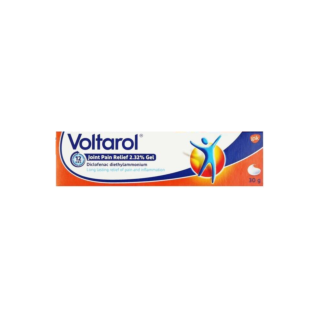
- Voltarol (diclofenac) 12-hour joint pain relief gel
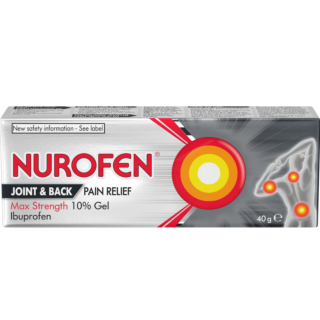
- Nurofen joint & back pain relief max strength 10% gel
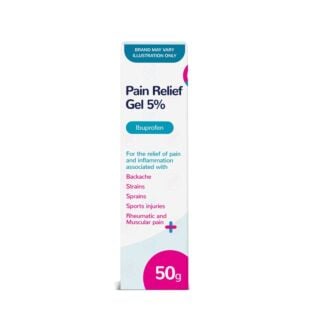
- Ibuprofen pain relief 5% gel
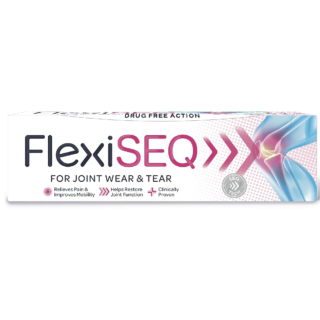
- FlexiSEQ joint wear & tear gel
Don't use ibuprofen or diclofenac gel if you:
- are allergic to ibuprofen, aspirin, or other NSAIDs, or have had asthma, wheezing, or a runny nose with them
- are in the last three months of pregnancy
- have broken, damaged, or infected skin
Ask a pharmacist first if you have:
- stomach ulcers or bleeding
- heart, kidney, or liver problems
- a history of asthma
Diclofenac isn't usually recommended in pregnancy. If you're breastfeeding, diclofenac and ibuprofen are the preferred NSAIDs. Wash your hands after using the gel and make sure your baby doesn't touch the treated skin.
What is a topical anti-inflammatory gel, and how does it work?
Topical anti-inflammatory gels, like diclofenac or ibuprofen, are applied to the sore joint or muscle; the medicine penetrates your skin to the underlying area.
Once there, it blocks the chemicals (called prostaglandins) that cause pain and swelling. Because the gel works where you apply it, much less medicine gets into your bloodstream than with tablets. This can mean fewer side effects, like an upset stomach.
Topical pain relief: cream vs gels
Gels, like diclofenac gel, usually feel light and absorb quickly, which many people prefer for joints and large areas. Creams can feel richer and are sometimes easier to massage in. Whichever you choose, wash your hands after applying it and keep it away from your eyes, mouth, and broken skin.
What is the difference between heat and cold therapy for pain?
Cold therapy helps in the first day or two after an injury by reducing swelling and easing pain. Wrap an ice pack or a bag of frozen peas in a towel and apply it for up to 20 minutes every 2-3 hours.
Heat (a warm bath, heat pad, or heat patch) helps to ease stiff, tense muscles and long-standing aches.
However, don’t put ice or a hot pack directly on bare skin.
When to contact your GP about muscle or joint pain
See your GP if:
- joint pain is stopping you from doing normal activities or affecting your sleep
- the pain or swelling is getting worse or keeps coming back
- it hasn't improved after two weeks of treating it at home
- your joints are stiff for more than 30 minutes after waking
Get urgent help (call 111, or 999/A&E in an emergency) if a joint is hot and swollen or you feel feverish or unwell. Also get urgent help if you have very bad pain after a fall, can't put weight on the joint, or have tingling or numbness after an injury.
The National Institute for Health and Care Excellence (NICE) guidelines on lower back pain recommend staying active and exercising as part of managing pain and sciatica. It advises against treatments like belts, corsets, acupuncture, and traction.
You can also self-refer to NHS musculoskeletal (MSK) services for help, like physiotherapy.
How long should I use pain relief gel before seeing a doctor if it's not working?
If your pain hasn't improved after about two weeks of home treatment, see your GP. Don't keep using a gel for longer than the instructions on the pack tell you to. If your pain gets worse, speak to a doctor or pharmacist sooner.
Sources
- Back problems. (2026). NHS Inform. [Accessed 10th November 2026].
- Arthritis. (2026). NHS Inform. [Accessed 10th November 2026].
- Osteoarthritis. (2026). NHS Inform. [Accessed 10th November 2026].
- Are muscle aches and joint pains linked to the menopause? (2024). Bupa. [Accessed 10th November 2026].
- Chronic pain. (2024). Cleveland Clinic. [Accessed 10th November 2026].
- Acute pain. International Association for the Study of Pain (IASP). [Accessed 10th November 2026].
- Paracetamol for adults. (2026). NHS. [Accessed 10th November 2026].
- Ibuprofen for adults. (2025). NHS. [Accessed 10th November 2026].
- About diclofenac. (2024). NHS. [Accessed 10th November 2026].
- Low back pain and sciatica in over 16s: assessment and management (NG59). (2026). National Institute for Health and Care Excellence (NICE). [Accessed 10th November 2026].
- Comparison of diclofenac gel, ibuprofen gel, and ibuprofen gel with levomenthol for the topical treatment of pain associated with musculoskeletal injuries. (2019). PubMed Central. [Accessed 10th November 2026].
- Using NSAIDS during breastfeeding. (2024). Specialist Pharmacy Service. [Accessed 10th November 2026].

Free delivery when you spend over £39

100% discreet delivery for every item ordered

Fully regulated UK pharmacy



What are the most common causes of muscle and joint pain?
Injuries, overuse, muscle tension, age-related wear and tear, and arthritis are the most common causes of muscle and joint pain.
Is paracetamol safe for muscle and joint pain?
Paracetamol is generally safe when taken as directed, and it's often the first choice for mild pain. It doesn't reduce inflammation, though, so it may not be enough for swollen joints or ongoing back pain.
Is Voltarol gel stronger than ibuprofen gel for back and muscle pain?
Voltarol gel is generally thought to be stronger than standard ibuprofen gel. It contains diclofenac, an anti-inflammatory that's considered more potent than ibuprofen for easing pain and swelling. That's why many people choose it for stubborn back, muscle, or joint pain.
But stronger doesn't always mean better for you. Both gels work similarly, and ibuprofen gel can still be a good choice for milder aches. A pharmacist can help you pick the right one.
Is FlexiSEQ better than ibuprofen gel for joint pain?
They work differently. Ibuprofen gel is an anti-inflammatory medicine, while FlexiSEQ is a drug-free gel. Neither is 'better', per se, as what suits one person might not suit you, so ask your pharmacist for advice if you're unsure.
Can I use ibuprofen gel if I'm pregnant or breastfeeding?
Don't use ibuprofen gel in the last three months of pregnancy. Speak to your pharmacist, midwife, or GP before using it at any stage of pregnancy.
If you're breastfeeding, ibuprofen is the preferred NSAID for mild to moderate pain. Wash your hands after applying it and make sure your baby doesn't touch the treated skin.
Are heat patches better than pain relief gel for back pain?
Heat patches ease tight, stiff muscles, while anti-inflammatory gels target pain and swelling. Some people use both, but don't apply heat over freshly applied gel unless the pack says it's fine.
Should I rest completely or keep moving with muscle pain?
Rest for the first day or so after an injury, then get moving again. Gentle movement helps recovery. Exercise and staying active may also help to ease lower back pain and sciatica.
Can weight loss help to reduce joint pain?
It can. Carrying less weight puts less strain on joints, especially the knees, hips, and back.